
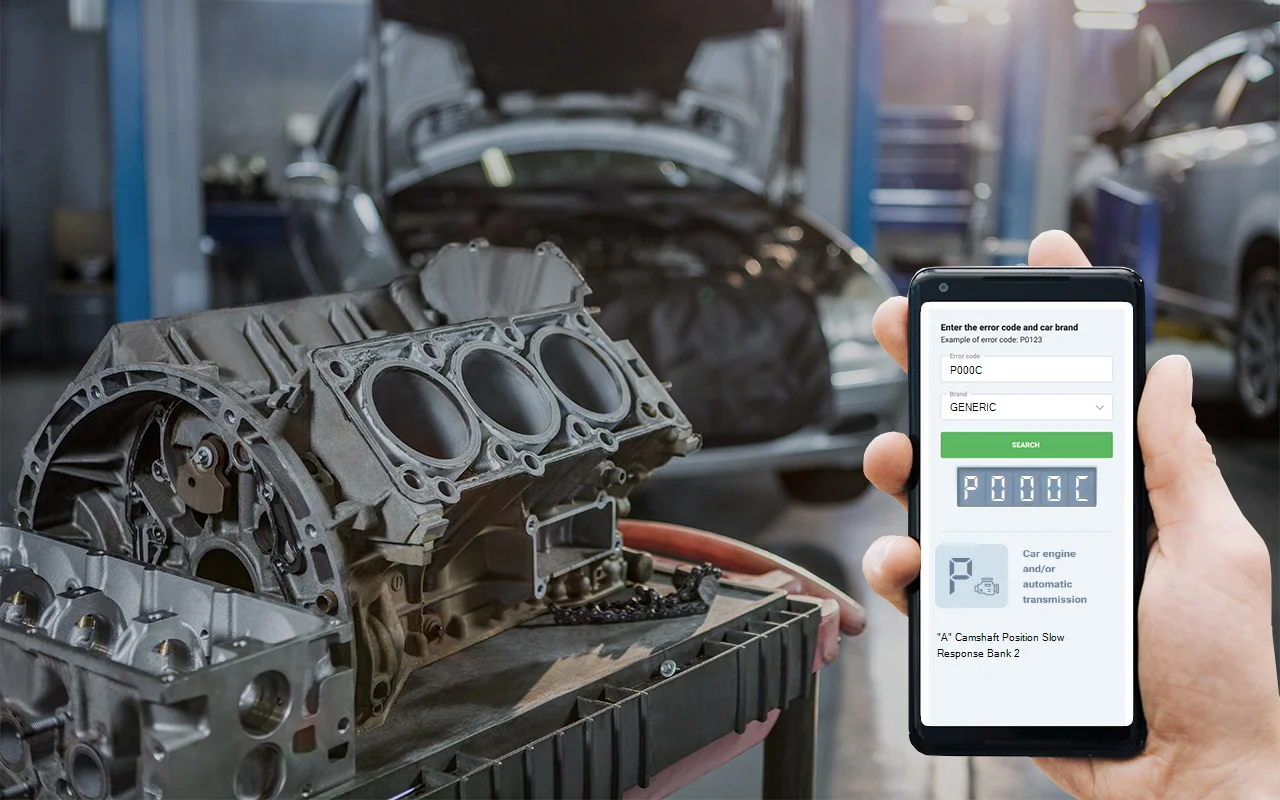
Let me break down p000c in plain language, straight from the shop floor. When you see this code, it's your car's computer (the PCM) telling you that the intake camshaft on bank 2 just isn't shifting its timing as fast as it's supposed to. Nowadays, nearly every car rolling off the line uses Variable Valve Timing (VVT)-it's a clever setup that helps your engine run smoother, squeeze out more power, and sip less fuel. The PCM's job is to control oil flow to little actuators on the camshafts, wiggling them around as needed. But if the camshaft drags its feet when the PCM says move, you’ll see p000c pop up. Specifically, it means the intake cam on the side of the engine away from cylinder 1 (that’s bank 2) is lagging behind. VVT needs strong oil pressure, squeaky clean sensors, and solid wiring to do its job right. If any of those go south, this code isn’t far behind.
DTC P000C
 4212
4212 6 minutes of reading
Causes of P000C trouble code
From my time under the hood and what the repair manuals confirm, the usual suspects behind p000c are:
- Dirty or low engine oil - VVT systems are fussy, and bad oil or not enough of it is a recipe for trouble.
- Faulty camshaft position sensor - If this sensor can’t track the camshaft’s moves, the PCM is basically flying blind.
- Bad oil control solenoid (VVT solenoid) - This part acts like a gatekeeper for oil headed to the cam actuator. If it sticks or fails, cam timing slows way down.
- VVT actuator problems - Sometimes the hardware that actually moves the cam gets jammed up or just wears out.
- Stretched or busted timing chain/belt - If the chain’s got slack or the guides are toast, your timing is going to be off.
- Wiring or connector issues - Don’t overlook this! Broken, corroded, or loose wires can throw everything out of whack.
- PCM (engine computer) failure - It’s rare, but I’ve seen it a time or two.
Honestly, most times I run into p000c, it’s either an oil problem or a sticky solenoid causing the headache.
Symptoms of obd code P000C
Whenever p000c shows up, a few telltale signs usually follow. First thing you’ll notice? That dreaded check engine light staring you in the face. You might also feel your engine running rough, especially when idling or getting on the gas. Sometimes, there’s a clear loss of power-the car just feels lazy or hesitant. Every now and then, you’ll catch some odd noises from the engine bay, like ticking or rattling. Extra exhaust smoke or failing a smog test can also be clues, since emissions take a hit. Take it from me: let these symptoms go unchecked, and they’ll only get worse. Trust me, I’ve seen engines go from a simple code to a real mess fast.

Diagnosis of obd2 code P000C
If you’re looking to chase down a p000c, here’s how I handle it, step by step:
- I always start with the basics-check the engine oil. Make sure it’s topped off and not looking like tar. VVT systems hate dirty or low oil.
- Next, I give everything a good once-over. Look for busted wires, loose plugs, or anything weird around the cam sensor and VVT solenoid. Don’t skip checking for oil leaks nearby.
- After that, I scan for other trouble codes. Sometimes, a buddy code gives you a better clue where the real problem lies.
- Now I test the camshaft position sensor. Depending on the type, I’ll use a multimeter to check for the right voltage or signal while someone cranks the engine. If the numbers are off, that sensor’s likely toast.
- Then it’s onto the VVT solenoid. I check resistance with a multimeter and match it against factory specs. If it’s out of whack, replace it. I like to pull the solenoid out and look for any metal shavings or sludge too.
- If nothing jumps out yet, I’ll dig into the wiring harness-making sure there’s continuity and the right voltage. Pinched or crusty wires are sneaky troublemakers.
- When all else fails, it’s time to eyeball the timing chain and cam actuator. This can be a deep dive, but I’m looking for chain slack, busted guides, or chewed-up actuator teeth.
- Here’s a pro-tip: have a helper turn the key or crank the engine while you watch your readings. Saves time and keeps things safe.
Bottom line-never skip the simple stuff before you dig into major engine surgery. Start easy, work your way up.
Common Mistakes when fixing P000C code
A classic mistake I see: folks throwing new sensors or solenoids at the problem before ever checking the oil. That’s a quick way to waste cash if dirty or low oil is the real culprit. Skipping a close look at wiring is another one-loose plugs or corroded pins can act just like a bad sensor. I also run into people who forget to check for Technical Service Bulletins (TSBs), even though the manufacturer may already have the fix spelled out. And whatever you do, make sure you clear the code and see if it returns after each fix. That’s the only way to know you’ve actually nailed it.

Seriousness of P000C engine code
Don’t brush off this code. A camshaft that’s slow to move means rough running, lousy gas mileage, and more pollution out the tailpipe. Leave it unchecked and you’re flirting with bigger issues-like a stretched timing chain or even chewing up internal engine parts from lousy oil flow. Worst case? You get stranded or face a wallet-busting repair. If your engine starts sounding bad or runs even rougher, it’s time to park it. Parts most at risk include the actuator, timing chain, and, if you’re really unlucky, the engine itself.
Repair options for P000C
Here’s what usually gets p000c sorted, based on what I see day in and day out (and what the repair procedures say):
- Swap out the engine oil and filter if it’s grubby or old-use the right type and grade. Don’t cheap out here.
- If the camshaft position sensor fails testing, replace it.
- Change the VVT solenoid if it’s jammed, clogged, or tests out of spec.
- Fix or replace any wires or connectors that are damaged going to the sensor or solenoid.
- If the timing chain or actuator is the issue, you’re looking at replacing the chain, guides, or actuator-especially if they’re worn or busted.
- Update or reflash the PCM if there’s a known software glitch (check those TSBs!).
Most of the time, the fix is in one of the first three. Just don’t skip the easy stuff before you start replacing big-ticket items.
Conclusion
P000C means your engine’s variable valve timing system is dragging its feet when adjusting the intake camshaft on bank 2. It’s not just a minor nuisance, either-it can snowball into major trouble if you let it ride. I always tell folks: start with an oil check, then move to sensors, solenoids, and wiring. Don’t let this sit, or you might be signing up for a much bigger job later. Step-by-step diagnosis is your best friend here-find the real root, fix it, and keep your engine running smooth for miles to come.


