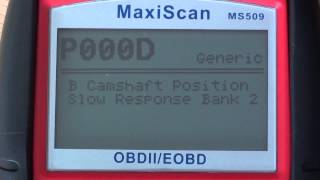
When you see a P000D code pop up, your vehicle’s computer is basically telling you the exhaust camshaft isn’t shifting as quickly as it should while the engine is trying to adjust things on the fly. Over the years, I’ve watched Variable Valve Timing (VVT) systems become the norm-they’re fantastic when they work right, boosting both performance and fuel mileage. But these systems are picky. They rely on clean oil, healthy actuators, and pinpoint-accurate sensors to nudge that camshaft just where it needs to be. If the camshaft-specifically the 'B' camshaft on bank 2-lags or drags its feet, the computer notices and triggers this code. So, to put it simply, your engine’s breathing system isn’t keeping up, and the computer is waving a flag to get your attention about a sluggish camshaft.
DTC P000D
 4166
4166 7 minutes of reading
Causes of obd code P000D
From experience, the most common reasons I see for a P000D code are usually tied to the VVT system or its supporting parts. Here’s what I typically find:
- Faulty camshaft position sensor - this sensor tells the computer where the camshaft is, and if it’s not reading right, you’ll get this code.
- Problems with oil supply - dirty or low oil, or the wrong oil type, can mess with the VVT system’s ability to move the camshaft quickly.
- Failed oil control valve (sometimes called a VVT solenoid) - if this valve sticks or fails, oil can’t get where it needs to go.
- Malfunctioning VVT actuator - this is the part that actually moves the camshaft, and if it’s not working, you’ll see slow response.
- Timing chain issues - a stretched or worn timing chain can throw off the camshaft’s position.
- Wiring problems - damaged wires or poor connections to any of these components can cause trouble.
- Faulty PCM (the car’s main computer) - this is rare, but it can happen.
Most often, it’s something simple like oil or a sensor, but I’ve seen all of these at one point or another.
Symptoms of P000D engine code
Whenever this code rears its head, I usually hear a handful of the same complaints from drivers. First off, the check engine light will light up-sometimes that’s the only warning you’ll get. Other times, the engine just feels flat. Maybe it hesitates when you stomp on the gas, or there’s a noticeable loss of power. Every now and then, I’ll get a car in that rattles at startup or makes odd noises when you’re putting it under load. Some of my customers mention the engine is running rough, maybe even idling a bit unevenly. And don’t be surprised if you notice more exhaust at the tailpipe, or if it smells stronger than usual. If you catch any of these symptoms, don’t wait-your car’s trying to tell you it needs attention.

Diagnosis steps for dtc P000D
Here’s how I usually tackle a P000D code, step by step:
- First, I always check the oil. Make sure it’s clean, at the right level, and the correct type for your engine. Old or dirty oil is a surefire way to get VVT problems.
- Next, I use a scan tool to confirm the code and check for any other related codes. Sometimes there’s more than one clue hiding in the computer.
- Then, I inspect the wiring and connectors going to the camshaft position sensor, oil control valve, and VVT actuator. Look for loose plugs, corrosion, or damaged wires. It’s best to have someone wiggle the harness while you watch the scan tool for changes.
- After that, I test the camshaft position sensor itself. Many times, a simple multimeter check or swapping it with another bank (if possible) can tell you if it’s the culprit.
- If the sensor checks out, I move on to the oil control valve (VVT solenoid). I’ll remove it and check for sludge or debris, and test its operation with a 12V power source if the manual allows.
- If everything above is good, I’ll check the VVT actuator and timing chain. This is more involved and sometimes requires removing covers or using special tools to see if the timing marks line up.
- Lastly, if all else fails, I’ll consider the PCM, but honestly, it’s almost never the computer unless everything else has been ruled out.
It’s best to start with the basics-oil and sensors-before diving into the deep end.
Common Mistakes with P000D trouble code
A classic mistake I see is folks going straight for the expensive parts. Swapping out a VVT actuator or a cam sensor before checking the oil or inspecting the wiring? That’s a quick way to empty your wallet without fixing the real issue. Another thing you can’t overlook: that oil control valve. I’ve pulled plenty of them out, only to find them packed with sludge. And don’t get me started on wiring-people skip a simple visual check, missing a corroded connector or a pinched wire that’s right in front of them. Here’s a pro-tip from the garage: always scan for other codes before you get tunnel vision. Sometimes the real problem is hiding just out of sight. Stick to the basics, or you’ll waste time and money chasing your tail.

Seriousness of P000D code
Let me shoot straight with you-this isn’t the kind of code you can just shrug off. A slow camshaft response can rob your engine of power, drive up emissions, and if you let it linger, that rattling noise could be a sign of bigger trouble brewing. Ignore it for too long, and you might end up with a damaged VVT actuator, a stretched timing chain, or even deeper engine damage if oil flow is blocked. Problems like this snowball fast. Trust me, you don’t want to face a major repair bill just because you put off a relatively simple fix. Get it checked out as soon as you can.
Repair solutions for obd2 code P000D
When it comes to fixing a P000D, I always recommend starting with the basics. Change the engine oil and filter-especially if it’s looking dirty or you’re running the wrong viscosity. Next, pull that oil control valve (VVT solenoid) and make sure it isn’t stuck or clogged. Clean it, or replace it if cleaning doesn’t help. If the camshaft position sensor isn’t reading like it should, swap it out. Don’t overlook the wiring-repair or replace any damaged connectors or wires you find. If the VVT actuator’s not doing its job, it’ll need to go. Should you find the timing chain’s stretched or worn, that’s got to be addressed too. Only after all this would I consider the PCM, and honestly, that’s a rare one. Always tackle the simple, cheap stuff first-oil and sensors-before diving into bigger jobs. It’ll save you time and money.
Conclusion
Here’s the bottom line: P000D means your camshaft’s dragging its feet, usually because the VVT system or its components aren’t up to par. This isn’t something to ignore-let it slide, and you’re rolling the dice with bigger, costlier repairs down the line. From my time under the hood, the smartest move is always to start with an oil and sensor check, then dig deeper if those don’t solve it. Nine times out of ten, it’s a straightforward fix. Catch it early, and your engine-and your wallet-will thank you.