
Causes of P001A trouble code
If there’s one thing my years in the shop have taught me, it’s that the p001a code usually traces back to oil problems or electrical gremlins. Here’s where I always look first:
- Old, dirty, or low engine oil-it’s amazing how many headaches this causes
- The wrong oil type or viscosity (don’t just grab what’s on sale!)
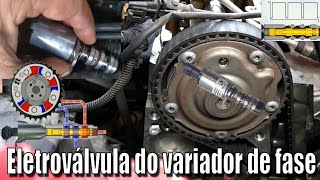
- An oil control solenoid that’s gone bad or is gummed up
- Oil passages clogged with sludge or debris
- A camshaft actuator or valve that’s sticking (seen this plenty of times)
- Wiring or connectors in the camshaft control circuit that are damaged or loose
- Shorts in the wiring harness or even inside components
- On rare occasions, a glitchy ECM
Honestly, I’d say 9 times out of 10, it comes down to oil that’s overdue for a change or a solenoid that needs some attention. But don’t rule out the others-I’ve run into every one of these at least once.
Symptoms of obd code P001A
If you’re dealing with a p001a, you’ll notice your car just isn’t itself. Over the years, these are the complaints I hear most from drivers:
- Acceleration feels sluggish, or the engine just lacks its usual punch
- Rough idle or drivability that’s just off
- Fuel economy drops off a cliff
- Throttle response is slow or inconsistent
- The engine just doesn’t run as smoothly as you’re used to
Sometimes, all you’ll get is the check engine light glaring at you. But if you’re picking up on any of these signs, chances are something’s up with the camshaft timing or control system.

Diagnosis steps for obd2 code P001A
When I’m faced with a p001a, here’s my usual game plan:
- First stop: dipstick. Check the oil level and condition. If it’s low, dark, gritty, or smells like it’s been in there since last winter, swap it out and put in the right stuff. I can’t stress enough-old or wrong oil is the root cause more often than not.
- Next, I get my eyes (and sometimes my nose) on the wiring and connectors for the camshaft control circuit. You’re looking for cracked insulation, loose plugs, or corrosion. Sometimes a simple wiggle test will reveal a bad connection. A blast of contact cleaner goes a long way here.
- Then, I move to the oil control solenoid. These guys can stick or fail electrically. Grab a multimeter to check resistance, or if you’re comfortable, pull it out and see if it’s caked with sludge.
- If those check out, I’ll pull codes for the camshaft and crankshaft position sensors. Sometimes those sensors are the culprit, triggering a cascade of issues.
- If it’s still a mystery after all that, I’ll take a hard look at the camshaft actuator or, in rare cases, the ECM. At this stage, you might want to let a seasoned tech with advanced scan tools dig deeper.
My advice: always start with the basics. Oil and wiring first. Don’t dive for the expensive fixes until you’re sure the simple stuff isn’t to blame.
Common Mistakes when addressing P001A
A classic mistake I see-folks rush straight for big-ticket parts like the actuator or ECM, skipping the simple checks. Not looking at the oil or ignoring crusty connectors is a fast track to wasted money. Using the wrong oil grade is another trap-even if the bottle says the right brand, that won’t save you if the viscosity’s off. People also forget that wiring harnesses take a beating from heat and engine movement; those little cracks and loose pins add up. Bottom line: double-check the easy stuff before you open your wallet or tear into the engine.

Seriousness of P001A code
Let me be blunt-don’t shrug this one off. Left unchecked, a P001A code can turn a minor annoyance into a major repair bill. When camshaft control fails, your engine burns more fuel, loses its pep, and, if oil passages get blocked or parts seize, you’re talking about real internal damage. I’ve seen it lead to chewed-up cams, bent valves, or in worst cases, a trashed engine. Things can go downhill in a hurry, so get it sorted before it snowballs into something ugly and expensive.
Repair solutions for P001A engine code
After years in the business, here’s what usually gets a p001a sorted out-both from my own work and straight from the OEM playbook:
- Do a full oil and filter change-use exactly the type and weight called for in your manual
- Remove and clean (or replace) the oil control solenoid if it’s clogged or acting up
- Repair or swap out any damaged wiring or suspect connectors in the camshaft control circuit
- Flush out sludge or gunk from oil passages if you find any buildup
- On rare occasions, replace the camshaft actuator or ECM, but only if you’ve ruled out everything else
Most times, fresh oil and a solid check of the wiring and solenoid get you back on the road. Don’t jump to the pricey parts unless you’re absolutely sure the basics aren’t the problem.



Conclusion
Here’s the bottom line: P001A means your camshaft control system isn’t playing nice, and that’s bad news for your engine’s performance and longevity. Don’t put this off-acting fast can be the difference between a quick fix and a wallet-draining repair. Start with the no-brainers: oil, wiring, solenoids. In my experience, that’ll solve it most of the time. Take care of it now, and you’ll keep your engine running smooth and strong for miles to come.
 5340
 6 minutes of reading