
Main Causes of obd code P001B
From experience, the most common reasons I see for a P001B code are related to oil and electrical issues. Here’s what usually triggers it:
- Dirty or old engine oil that hasn’t been changed on time
- Wrong type or viscosity of oil used
- Low oil level
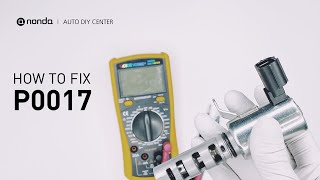
- Faulty or clogged oil control solenoid (the part that directs oil to the camshaft system)
- Stuck or sticking camshaft actuator or valve
- Broken or damaged wiring or connectors in the camshaft control circuit
- Short circuits, either mechanical or internal
- In rare cases, a problem with the engine control module (ECM) itself
More times than not, lousy oil or a sticky solenoid is at the heart of it. But don’t overlook the wiring-a lot of folks do, and it’ll bite you. Bouncing down the road can work connectors loose or wear through wires before you know it.
Common Symptoms of dtc P001B
When this code pops up, you’ll usually notice your car just isn’t acting right. Drivers often tell me things like:
- The engine feels down on power-sort of sluggish when you hit the gas
- Throttle response is off; the car hesitates when you want to go
- You’re burning through more fuel than usual
- The idle feels rough or uneven
- Sometimes, you’ll get a check engine light and nothing else obvious
If any of this rings a bell-especially sluggishness or worse gas mileage-don’t wait around. Letting it slide can turn a small job into a big headache fast.

Diagnosis Process for P001B trouble code
Here’s my usual game plan when a P001B code rolls into the shop:
- First, I look at the engine oil. Is it up to the mark? Is it clean? Are you using the right stuff for your engine? If it’s dirty, the wrong thickness, or overdue for a change, swap out the oil and filter right away. Double-check your service records to see if you’ve gone too long between changes.
- If the oil’s good, I move on to the wiring and connectors at the camshaft control solenoid. I’m hunting for any signs of chewed-up wires, loose plugs, or corrosion. Sometimes it helps to have a second set of hands-have them wiggle the harness gently while you watch for warning lights or changes in the system.
- Next up, I take a look at the camshaft oil control solenoid. These can get gummed up with sludge or just plain fail over time. Pull it out, check for any junk or sticking, and try cleaning it with the right solvent. If it still acts up, just replace it-you’ll save yourself trouble down the line.
- If I’m still chasing the problem, I’ll hook up a scan tool and watch how the camshaft position responds. If it isn’t moving like it should, we might be looking at a bad actuator or, rarely, an ECM issue. Those are less common, but not impossible.
My advice? Always start with the simple stuff-oil and connectors-before tearing into the complex parts. And when you’re chasing wiring gremlins, use the proper diagrams from the manufacturer. Saves a ton of guesswork.
Common Mistakes When Addressing obd2 code P001B
A classic mistake I see? Folks skipping the basics:
- Not checking the oil, or grabbing the wrong kind off the shelf-this bites people more often than you’d think
- Ignoring wiring or connectors-a loose plug or frayed wire can mimic a far bigger problem
- Throwing expensive parts at the problem-like replacing the solenoid or even the ECM-before checking the simple stuff
- Overlooking cleaning the solenoid or ignoring sludge buildup
Here’s a pro-tip from the garage: always start simple. You’ll save time, money, and a whole lot of frustration by tackling the basics first.

How Serious Is the P001B code
Take it from me-this isn’t a code you can shrug off. Problems with the camshaft control system can spiral fast: engine performance drops, emissions go up, and, worst-case, you can do real damage inside the motor. If oil passages get blocked or the actuator sticks, your valve timing gets thrown out of whack. That means misfires or, if things really go wrong, bent valves, a damaged camshaft, or even a busted timing chain. Bottom line: don’t gamble with it. Get it sorted before it morphs into a wallet-draining repair.
Repair Steps for the P001B engine code
Over the years, here’s what usually knocks out a P001B code-straight from the shop floor and the official repair books:
- Change out the engine oil and filter, double-checking you’ve got the right type and viscosity
- Clean or swap the camshaft oil control solenoid if it’s gummed up or faulty
- Fix or replace any sketchy wiring or dodgy connectors in the camshaft control circuit
- Clear out any sludge or debris clogging up the oil passages
- If all else fails, replace the camshaft actuator or, in the rarest cases, the ECM
My personal advice? Start with an oil change and a careful look at wiring and the solenoid. Nine times out of ten, that’s where you’ll find your answer-before you even think about pricier parts.



Conclusion
To wrap it up, P001B tells you there’s trouble with how your engine’s managing the camshaft profile-most often on the exhaust side of Bank 1. Don’t put this off. Performance will suffer, and you’re risking real engine damage if you ignore it. Always start by checking your oil, then take a close look at wiring and the solenoid. In my experience, fresh oil or a freed-up solenoid usually sorts things out. Stay ahead of it and you’ll dodge major repairs-and keep your engine humming along for miles to come.
 4683
 6 minutes of reading