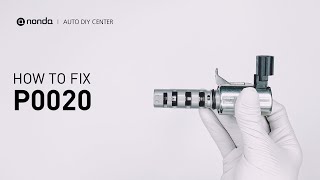
When you see a P0020 code pop up, what you’re really looking at is your car’s computer (the PCM) throwing a flag because it’s caught a hiccup in the circuit that controls your intake camshaft position actuator on Bank 2. In my experience, this boils down to the system that fine-tunes your engine’s valve timing not doing its job on one side of the engine. Most engines these days use Variable Valve Timing (VVT) to squeeze out better power and efficiency, and they do it with the help of actuators and solenoids. If the PCM notices something off about the electrical signals coming from that system-and it stays off for too long-that’s when you get the P0020 code. In other words, your engine’s ability to run smooth and efficient just took a hit, so it’s something you’ll want to get on top of right away.
DTC P0020
 4040
4040 5 minutes of reading
Causes related to obd2 code P0020
From experience, I can say the most common reasons for p0020 are usually electrical or mechanical issues in the VVT system. Here’s what I see most often:
- Failure of the variable valve timing actuator itself
- Problems in the wiring-like an open or short in the VVT control circuit
- A failed VVT solenoid (sometimes called the oil control valve)
- Occasionally, a problem with the PCM (the car’s computer), or its software needing an update
In cases like this, it’s usually the solenoid or wiring, but I always check all possibilities.
Symptoms indicating P0020 code
When this code is active, you’ll likely notice a few things. The check engine light will come on, for starters. Many drivers also report the engine running rough, especially at idle or when accelerating. You might feel a loss of power or sluggishness, and sometimes the car will use more fuel than usual. If you notice any of these, especially with the check engine light, it’s a good idea to get it checked out sooner rather than later.

Diagnosis steps for P0020 trouble code
Here’s how I usually approach diagnosing a p0020 trouble code. I always start with the basics and work my way up:
- First, I check the engine oil level and condition. Low or dirty oil can mess with the VVT system, so make sure it’s topped up and clean.
- Next, I visually inspect the wiring and connectors going to the VVT solenoid on Bank 2. Look for any broken wires, loose plugs, or corrosion. It’s better to have someone assist you here so you can wiggle the wires while watching for changes.
- Then, I test the VVT solenoid itself. Most solenoids can be checked with a simple multimeter for proper resistance. If it’s out of spec, it’s likely the culprit.
- If the solenoid and wiring check out, I move on to checking the actuator. Sometimes, the actuator can stick or fail internally, which requires a bit more in-depth testing or even removal.
- Finally, if everything else looks good, I consider the PCM. It’s rare, but sometimes the computer or its software is the issue. At this point, I’d recommend a professional scan tool to check for updates or deeper faults.
Don’t forget to clear the code and test drive the car after any repair to make sure the problem is truly fixed.
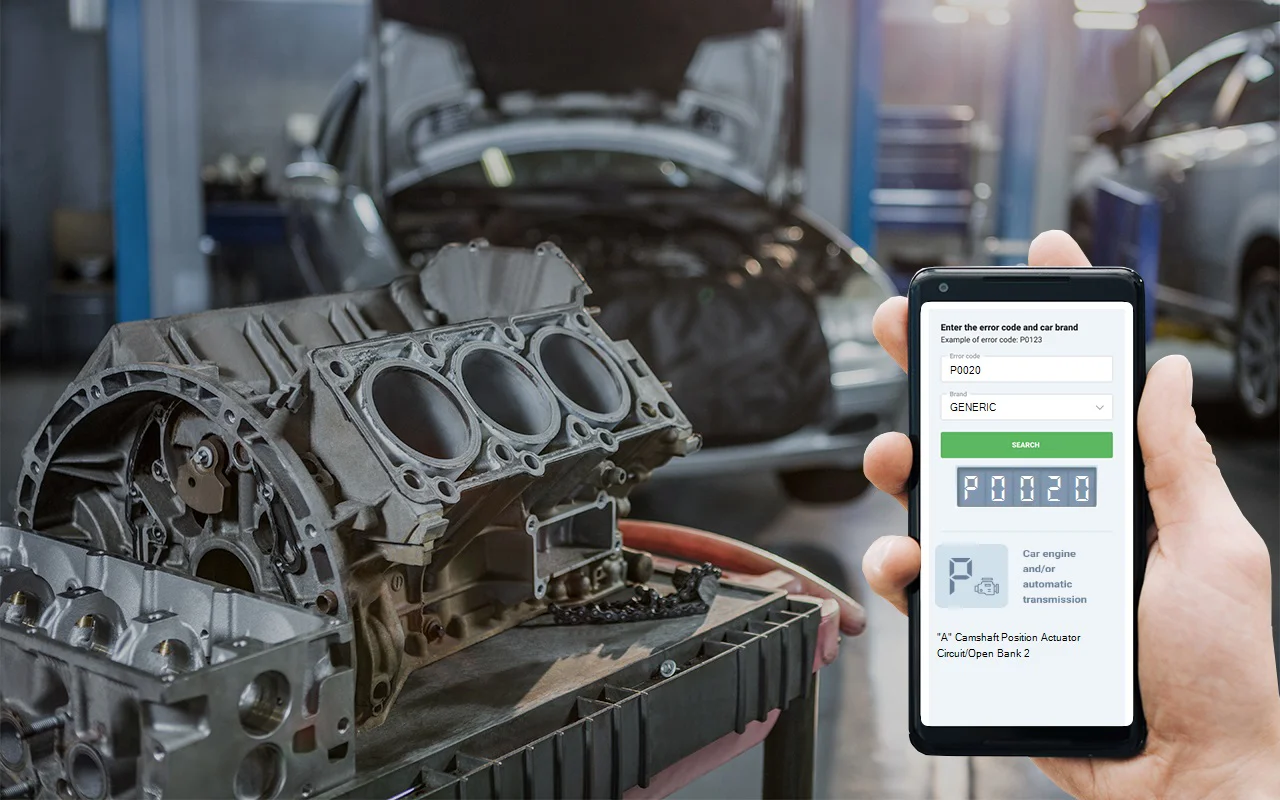
Common mistakes when fixing P0020 engine code
A classic mistake I see in the shop is people rushing to swap out the VVT actuator or solenoid without giving the wiring a second glance. That’s a quick way to burn through your cash for nothing. Another one? Overlooking the engine oil. Dirty, gunky, or low oil can absolutely trigger these codes, and it’s something that gets missed all the time. Skipping a careful visual check means you might miss a frayed wire or a crusty connector, too. My advice? Start with the basics before you start ordering new parts.

Seriousness of P0020
If you’re thinking about putting this one off, let me stop you right there. Running your vehicle with a p0020 code can leave your engine running rough, guzzling more gas than usual, and-if things get really out of hand-doing some real damage inside the engine. When the timing gets out of sync, you’re risking wear and tear on the camshaft, actuator, and even the PCM. Things can escalate quick, so don’t let this sit on the back burner.
Repair options for obd code P0020
Here’s what I typically do to fix a p0020 code:
- Replace or repair any damaged wiring or connectors in the VVT circuit
- Replace the VVT solenoid (oil control valve) if it tests bad
- Change the engine oil and filter if it’s dirty or low
- Replace the camshaft actuator if it’s found to be faulty
- Update or reprogram the PCM if there’s a known software issue
Always verify the repair by clearing the code and taking the car for a test drive to make sure it doesn’t come back.
Conclusion
To sum it up, P0020 means your engine’s variable valve timing system isn’t working right on Bank 2, usually due to a problem with the actuator, solenoid, or wiring. It’s not something to ignore, since it can lead to poor performance and even engine damage. I recommend starting with simple checks-oil, wiring, and connectors-before moving on to parts replacement. Acting quickly and methodically is the best way to get your car running right again and avoid bigger headaches down the road.