Causes and obd code P0025
From experience, I can tell you that there are a handful of usual suspects when it comes to this issue. Most often the problem is with the VVT solenoid itself-these can get clogged or just plain fail. Another big one is low or dirty engine oil; if your oil level is extremely low or the oil is full of sludge, the VVT system can’t do its job. I’ve also seen failed VVT actuators, worn timing chains, or even problems with the timing chain tensioner or guides. On rare occasions, the problem could be with the car’s computer or its software. Here’s a quick rundown of what I see most:
- Bad variable valve timing (VVT) solenoid
- Extremely low or dirty engine oil
- Failed VVT actuator
- Worn timing chain
- Failed timing chain tensioner or guide
- Damaged PCM or outdated software
- Contaminated oil blocking the VVT solenoid screen
Symptoms and P0025 code
When this code pops up, you’ll usually notice a few things. The check engine light is almost always the first sign. You might also feel the engine running rough, especially when starting or idling. Some folks notice the car doesn’t have the same get-up-and-go, or it starts using more fuel than usual. In some cases, the engine might even stall or hesitate. Here’s what you might experience:
- Check engine light comes on
- Poor engine performance or sluggish acceleration
- Higher fuel consumption
- Rough starting or idling
- Occasional engine stalling

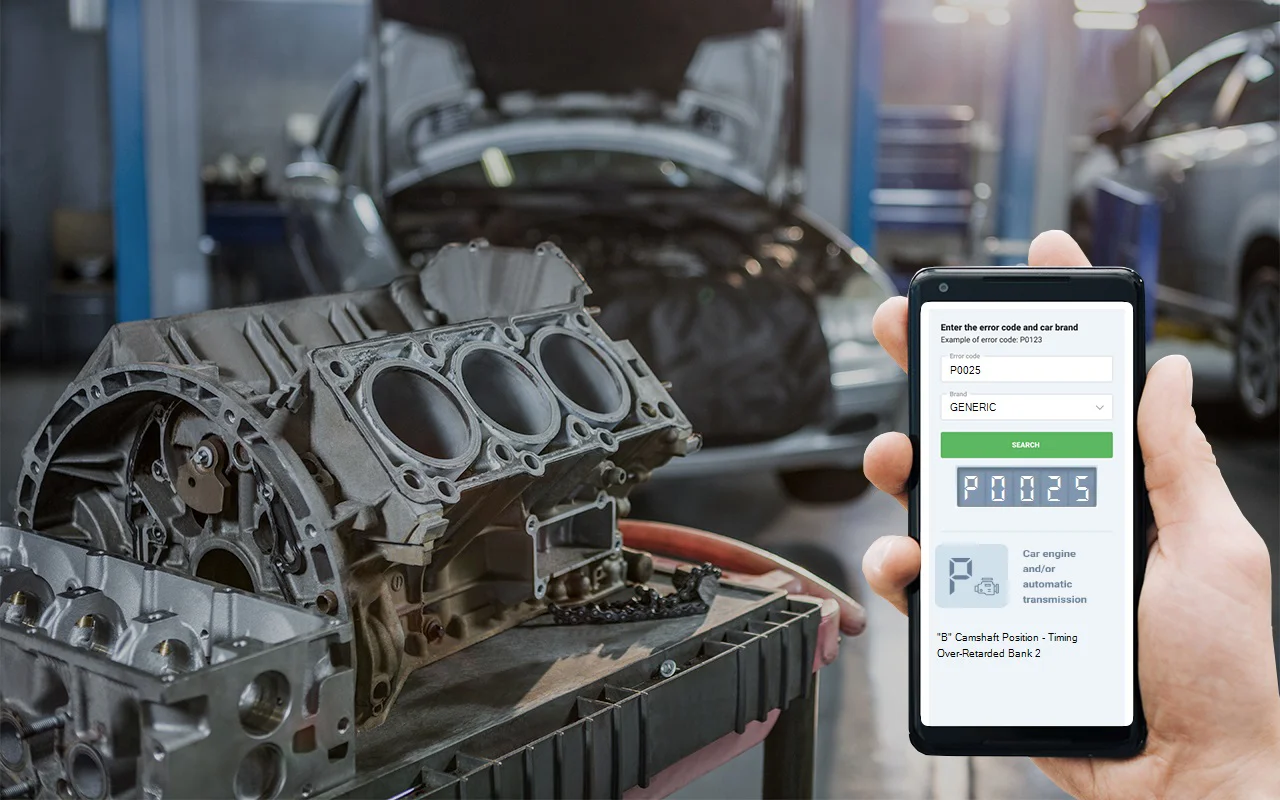
Common Mistakes and obd2 code P0025
I’ve seen a lot of folks jump straight to replacing parts without checking the basics first. One of the biggest mistakes is ignoring the oil-either not checking the level, or using the wrong type. Another common error is swapping out the VVT solenoid when the real problem is a worn timing chain or a blocked oil passage. Skipping a thorough inspection of wiring and connectors is also a recipe for frustration. Always start with the simple stuff before spending money on new parts.

Repair and dtc P0025
In cases like this, it’s usually a matter of addressing the root cause. Here’s what I typically do to fix this code:
- Change the engine oil and filter, making sure to use the exact type recommended by the manufacturer
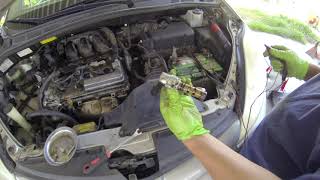
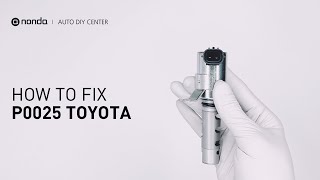
- Replace a faulty or clogged VVT solenoid if needed
- Clean out any sludge or debris from the VVT solenoid screen
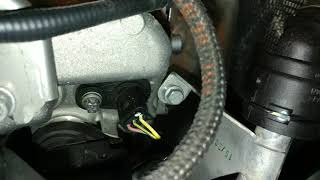
- Repair or replace damaged wiring or connectors
- Replace the VVT actuator if it’s failed
- Inspect and replace the timing chain, tensioner, or guides if they’re worn
- Update or reprogram the PCM if there’s a known software issue
It’s best to start with something simple like an oil change and a visual inspection before moving on to the more involved repairs.
Conclusion
To sum it up, P0025 means your engine’s exhaust cam timing on bank 2 is lagging behind, usually because of an issue with the VVT system or engine oil. This is a high-priority problem-ignoring it can lead to major engine trouble. I recommend starting with an oil check and change, then moving on to the VVT solenoid and timing components if needed. Don’t wait on this one; prompt diagnosis and repair are the most reliable way to keep your engine healthy and avoid expensive damage down the road.
Video for "Error p0025" on YouTube
The following error codes are often searched for

 7005
7005 5 minutes of reading