When you see a P0026 code pop up, your car’s computer is basically throwing up its hands because the intake valve control solenoid on Bank 1 isn’t acting right. From my time in the shop, I know this is all about how your engine manages airflow-the timing and lift of those intake valves just aren’t lining up with what the computer wants. Modern engines, especially ones running Variable Valve Timing (VVT) or Variable Valve Lift (VVL), rely on these systems to squeeze out better performance and fuel efficiency. Picture the solenoid as a kind of oil-driven gatekeeper, shifting the cam’s position or how far the valves swing open. If you’ve got a lazy or stuck solenoid, or it just doesn't react fast enough, the computer will set off the code. And if you’re wondering, Bank 1 is simply the side of the engine with cylinder number one. When this system gets cranky, your engine’s whole rhythm can stumble-trust me, I’ve seen it more times than I care to count.
DTC P0026
 4351
4351 6 minutes of reading
P0026 trouble code Causes
After years of chasing down P0026 codes, I can tell you the root causes usually aren’t a mystery. Here’s what I run into most often:
- Low engine oil-hands down, this gets missed a lot and is usually at the top of my list.
- Worn-out or gummed-up VVT/VVL solenoids-they can get sticky with age or poor maintenance.
- Bad wiring-cracked insulation, corrosion, or a loose connector can break the signal chain.
- VVT actuator giving up-doesn’t happen as much, but it’s on my radar.
- Using the wrong engine oil-oil that’s too thick or doesn’t meet spec can mess with these systems.
- PCM issues or outdated programming-I’ve only seen this on rare occasions, but it’s possible.
- VVL diagnostic switch failures-especially if you’re working on a car with a VVL setup, this switch can fail or get sticky.
In most cases, it boils down to something simple like low oil or a sticky solenoid. But I never skip checking wiring-little things can cause big headaches. Subaru and a few other makes see this fairly regularly, so don’t count them out.
P0026 Symptoms
If you’ve got a P0026 code active, you won’t have to look hard for symptoms. That check engine light is the first clue-think of it as your car shouting for attention. You might also feel the engine running a bit rough, or maybe it just doesn’t want to accelerate like it used to. Sometimes it’ll feel like the car’s got a rubber band holding it back. Fuel economy can dip, too. I’ve heard plenty of drivers complain that their ride just feels sluggish or ‘off.’ If you notice any of this, don’t brush it off-these are your early warning signs. And if you’re dealing with a dtc p0026 subaru, these symptoms can really show up in performance.

P0026 code Diagnosis
When I’m tracking down a P0026, here’s how I like to go about it, step by step:
- Start with the basics-pop the hood and check the engine oil level. Make sure it’s topped off and looks clean. Sludgy or old oil? That’s trouble for the solenoid.
- Next, eyeball the wiring and connectors going to the intake valve control solenoid. Any cracked, corroded, or loose connections? Give the connector a wiggle-sometimes that’s all it takes to spot a bad contact.
- If the wiring looks solid, I grab the scan tool and watch the camshaft timing compared to what the PCM is asking for. If it’s not keeping up, that points to the solenoid or actuator dragging its feet.
- At this point, I’ll pull the solenoid out for a closer look. Caked-on sludge or debris? A careful cleaning might do the trick. Still acting up after cleaning? Time to swap it out.
- If you’ve got a VVL system, don’t forget to check the VVL diagnostic switch-sometimes those fail or get gummed up, too.
- If all the mechanical stuff checks out, then I’ll dig into the PCM and see if there are software updates or known issues for your specific model.
Honestly, you want to start with oil and wiring before getting fancy. Double-check the oil spec, too-a lot of folks overlook that. Having a second pair of hands when running live data or testing the solenoid can save you a lot of hassle. Subaru models, in particular, have their own quirks with the p0026 code, so keep that in mind.
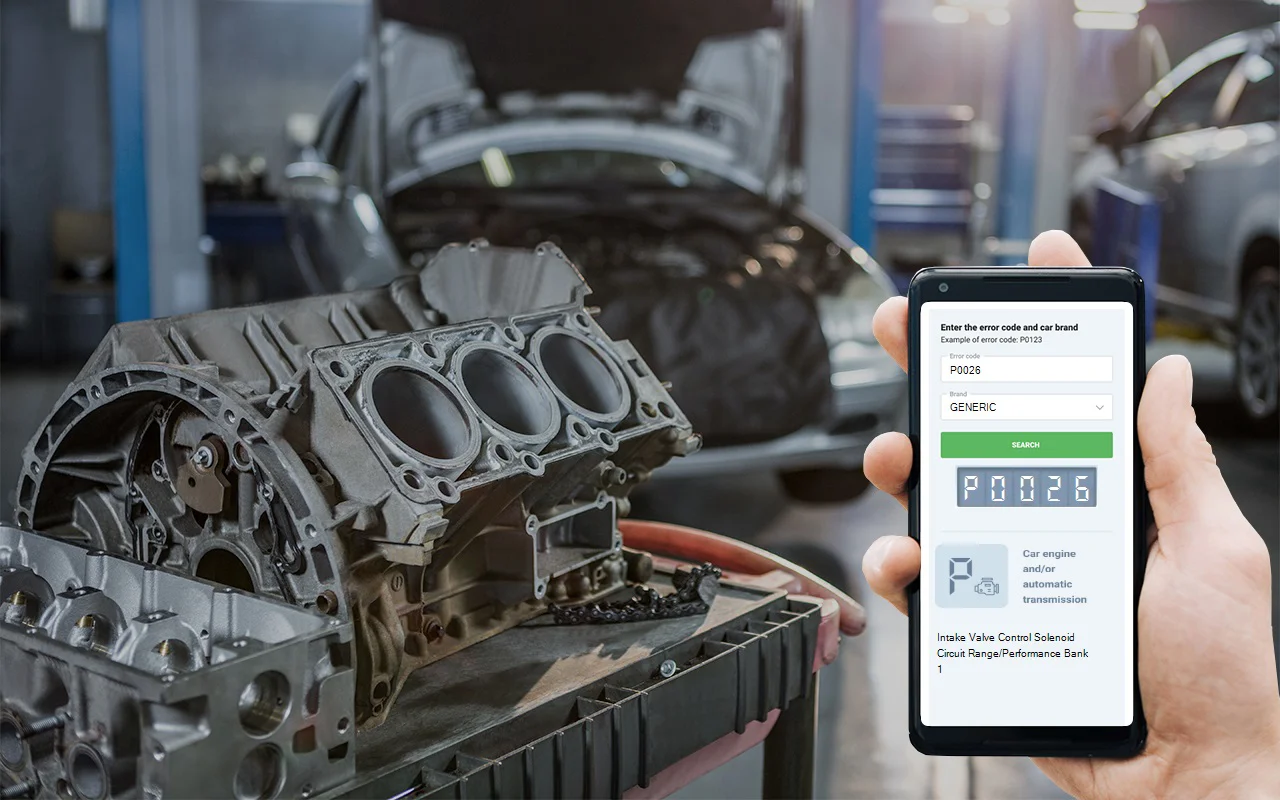
P0026 engine code Common Mistakes
I’ve lost count of how many times I’ve seen folks throw parts at a P0026 code without checking the basics. Biggest blunder? Swapping the solenoid right away and ignoring the oil level or quality. Another one: skipping over the wiring-sometimes all it takes is cleaning up or tightening a connector. Using the wrong oil can bite you, too. Don’t get tunnel vision and forget these simple checks-they’ll save you time, money, and frustration. And just so you know, this approach is just as true when you’re chasing down a subaru dtc p0026 code.

Obd code P0026 Seriousness
Let me be straight with you-this isn’t a code you want to ignore. If you let a P0026 code slide, you’re rolling the dice with your engine’s health. You could end up eating the cost for a new cam actuator or even a timing chain if the problem snowballs. Dirty or low oil just makes the whole mess worse, and those repairs aren’t cheap. Besides, poor performance and lousy fuel economy are just the start-if things go really sideways, you could even end up stranded with a stalling engine. That’s the last thing you want, especially if you’re miles from home. Don’t take chances; get it checked out before minor problems turn major.
Dtc P0026 Repair
When I fix a P0026 code, here’s what’s worked for me and what you’ll find in the manuals:
- Check and top off or change the engine oil-make sure you’re using exactly what the manufacturer calls for.
- Pull the intake valve control solenoid-if it’s gunked up, clean it, but if it’s still not working, don’t hesitate to replace it.
- Trace and repair any broken, frayed, or corroded wiring or connectors going to the solenoid.
- If the VVT actuator’s toast, you’ll need to swap that out.
- For VVL systems, check out the diagnostic switch-replace it if it’s acting up.
- And if your car’s got a software bug or needs a PCM update, take care of that, too.
Most of the time, you’re looking at something straightforward, but don’t be shocked if you have to replace a part. I always recommend starting with oil and the solenoid-they’re your prime suspects. You’ll see the p0026 keyword pop up all over the repair manuals for this fix, and for good reason.
Conclusion
So here’s the bottom line: P0026 means your intake valve timing system isn’t doing what it’s supposed to, usually thanks to oil, solenoid, or wiring troubles. Don’t treat it like it’s no big deal-let it go, and you’re setting yourself up for bigger headaches later. My best advice is simple: check your oil (level and quality), check your wiring, then move on to the solenoid and actuator. The faster you jump on this, the better chance you’ve got of avoiding expensive repairs. Don’t wait around-get this sorted before it turns into a real wallet-drainer.
- Subaru P0026 P0076 P0077 Variable Valve Timing VVT Solenoid Testing and Replacement
- P0026 P0028 on Subaru - Tribeca, Forester, Impreza, Legacy, Outback Impreza 2.5L 3.0L

- P0026 Intake Valve Control Solenoid Circuit Range 🟢 Trouble Code Solved 🟢 Symptoms Causes Solutions
- What is P0026 Engine Code [Quick Guide]