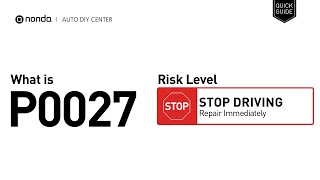
P0027 is one of those codes I see crop up on the scanner when the car’s computer thinks there’s a hiccup with the exhaust camshaft control on bank 1-that’s the side where cylinder number one sits. If your vehicle has a Variable Valve Timing (VVT) system, and most modern engines do, you’ve got parts under the hood working together to tweak when the exhaust valves open and close. This helps your engine run smoother, use less fuel, and keep emissions in check. The VVT system counts on clean oil at the right pressure and a special solenoid to nudge the camshaft just so. If the computer notices the exhaust camshaft isn’t moving like it’s supposed to-maybe it’s out of its normal range-you’ll see P0027 pop up. I can tell you, these systems show up on everything from Hondas to Chevys these days. So, when P0027 comes up, it means the computer’s not happy with how the exhaust camshaft on bank 1 is behaving.
DTC P0027
 4718
4718 6 minutes of reading
Causes of P0027 engine code
From experience, the most common reasons I see for a P0027 code are:
- Low or dirty engine oil - this is a big one, since the VVT system depends on clean oil at the right level.
- Clogged oil passages - sludge or debris can block the oil flow to the VVT system.
- Faulty exhaust camshaft control solenoid - if this part fails or gets stuck, the camshaft won’t move correctly.
- Problems with the camshaft actuator itself - mechanical failure or internal leaks can cause trouble.
- Timing chain or belt issues - if it’s loose or not lined up right, the cam timing will be off.
- Rarely, a problem with the engine computer (ECM/PCM) or its wiring.
In cases like this, it’s usually something simple like oil or the solenoid, but I’ve seen all of these at one point or another.
Symptoms of P0027 trouble code
When this code is active, here’s what you’re most likely to notice:
- The check engine light will come on - that’s usually the first sign.
- Poor acceleration or sluggish engine performance - the car might feel like it’s lost some pep.
- Worse fuel economy - you may find yourself filling up more often.
Sometimes, you might not feel much at all except for the warning light, but it’s best not to ignore it.

Diagnosis steps for P0027 code
Here’s how I’d go about tracking down a P0027 code, step by step:
- Start by checking the engine oil level and condition. Make sure it’s full and clean - if it’s dirty or low, change it right away. Don’t forget to replace the oil filter too.
- Inspect for any signs of sludge or gunk in the oil. If you see buildup, the oil passages to the VVT system could be clogged.
- Next, I’d test the exhaust camshaft control solenoid. You can unplug it and use a digital voltmeter to check its resistance - compare it to the specs in your owner’s manual. If it’s way off, the solenoid is likely bad.
- If the solenoid checks out, I’d remove it and look for debris or damaged seals. Sometimes cleaning it out or replacing the O-rings can fix the problem.
- Check the camshaft actuator for leaks or mechanical issues. This part is a bit trickier, but if you’re comfortable, look for oil leaks around the actuator or listen for odd noises from the timing area.
- Don’t forget to inspect the timing chain or belt. If it’s loose, worn, or out of alignment, that can throw everything off.
- Finally, if all the mechanical parts look good, I’d use a scan tool or an oscilloscope to check the signal from the engine computer to the solenoid. If the signal isn’t right, you could have a wiring issue or a rare computer fault.
It’s better to have someone assist you if you’re not used to working under the hood, especially when checking electrical parts.
Common mistakes when repairing P0027
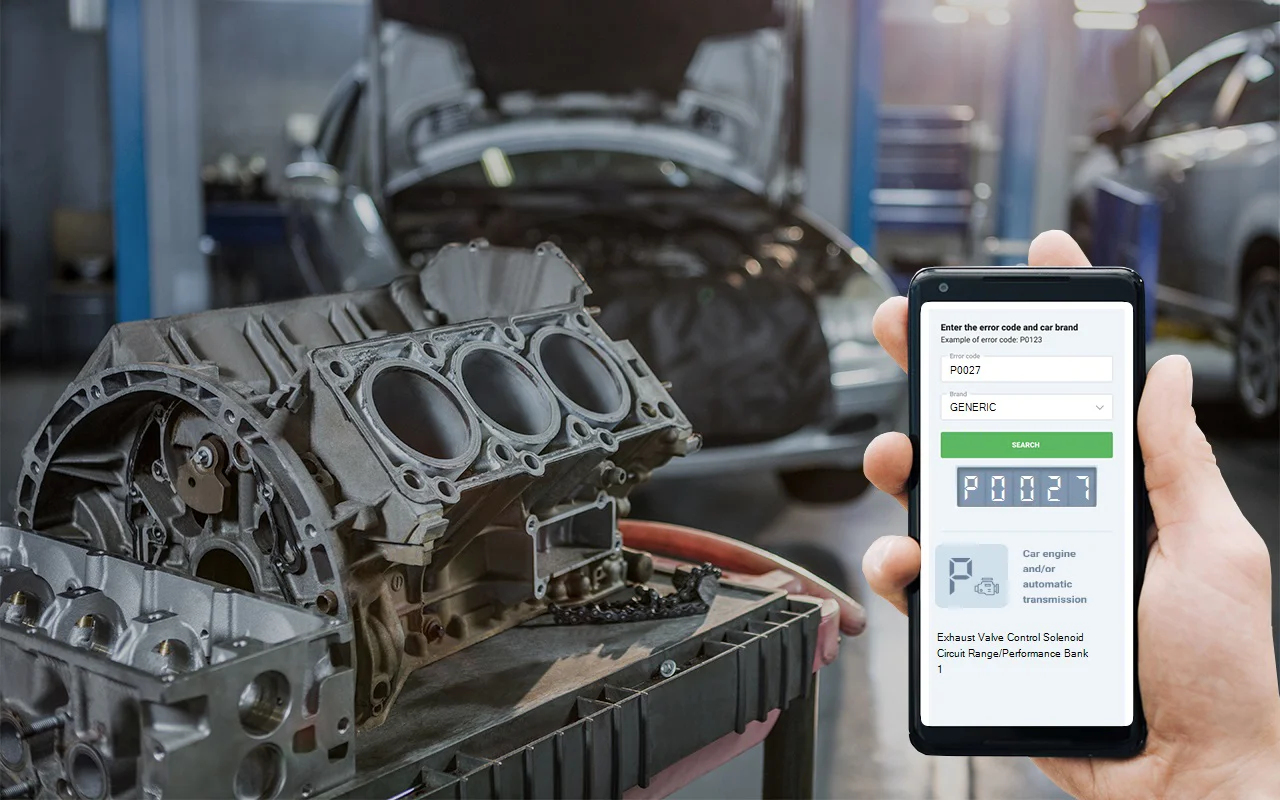
Honestly, the biggest mistake I see is skipping the oil check or using the wrong type of oil. People jump straight to replacing expensive parts without making sure the basics are right. Another common slip-up is not checking for sludge or clogged oil passages, which can cause the same symptoms. I’ve also seen folks replace the solenoid without testing it first, only to find out the real problem was dirty oil or a timing issue. Don’t forget to double-check the timing chain or belt alignment - it’s easy to overlook, but it can cause all sorts of headaches.

Seriousness of dtc P0027
This isn’t something you want to put off. If you ignore a P0027 code, you risk damaging the VVT system, the camshaft actuator, or even the timing chain. That can lead to much bigger - and more expensive - repairs down the road. Plus, your engine won’t run right, which can be a safety hazard if you lose power while driving. Things can go south quickly if overlooked, so it’s best to address this as soon as possible.
Repair tips for obd2 code P0027
Here’s what I usually do to fix a P0027 code, based on what the diagnostics turn up:
- Change the engine oil and filter if it’s dirty or low - this solves the problem more often than you’d think.
- Clean out any sludge or buildup in the oil passages, especially around the VVT solenoid and actuator.
- Replace the exhaust camshaft control solenoid if it fails the resistance test or is physically damaged.
- Repair or replace the camshaft actuator if it’s leaking or not moving properly.
- Fix any timing chain or belt issues - that means replacing worn parts or realigning them as needed.
- In rare cases, repair wiring or replace the engine computer if there’s a confirmed electrical fault.
It’s best to start with the simple stuff and work your way up - that’s how you avoid unnecessary costs.
Conclusion
To sum it up, P0027 means your engine’s exhaust camshaft isn’t adjusting the way it should, usually because of an oil or solenoid issue. It’s important to diagnose this quickly, since ignoring it can cause serious engine damage and leave you stranded. Start with the basics - check your oil and the solenoid - and work through the steps methodically. Most of the time, a simple oil change or solenoid replacement will do the trick, but don’t rule out timing or actuator problems if the code keeps coming back. Acting promptly is the best way to keep your engine healthy and avoid bigger headaches down the road.