
Let me break down what code P0028 means for your car. This code stands for “Intake Valve Control Solenoid Circuit Range/Performance (Bank 2).” In plain English, your engine has a system called Variable Valve Timing (VVT) and sometimes Variable Valve Lift (VVL). These systems help your engine run smoother, get better gas mileage, and produce more power by adjusting how and when the intake valves open. The car’s computer (the PCM) constantly monitors these systems. If it notices that the intake valve control solenoid on Bank 2 isn’t working as expected-either it’s stuck on or off too long, or the camshaft isn’t moving the way it should-then it triggers this code. Basically, it’s the car’s way of saying, “Hey, something’s not right with how I’m controlling the intake valves on one side of the engine.”
DTC P0028
 4421
4421 5 minutes of reading
Causes of P0028 trouble code
From experience, I can tell you that p0028 usually comes down to a handful of common culprits. Most often, it’s an issue with the solenoids or switches that control oil flow to the variable valve system. Here’s what I see most frequently:
- Failure of the VVL (Variable Valve Lift) diagnostic switch
- Faulty VVL solenoid
- Malfunctioning VVT (Variable Valve Timing) solenoid
- Problems with the VVT actuator itself
- Wiring issues-like damaged wires, poor connections, or corrosion in the harness
It’s not always just one thing, but these are the main suspects I’d check first.
Symptoms of obd2 code P0028
If you’re dealing with a subaru dtc p0028 code, there are a few telltale signs you might notice while driving. The most obvious is the check engine light popping up on your dash. But that’s not all. You might feel the engine running rough when you’re idling-almost like it’s stumbling or shaking. Sometimes, you’ll notice a drop in power, especially when you try to accelerate or drive at certain speeds. In some cases, the engine might even misfire or use more fuel than usual. If you’re seeing any combination of these symptoms, it’s a good idea to get it checked out right away.

Diagnosis steps for P0028 code
Here’s how I usually tackle a dtc p0028 subaru code, step by step. First, I always start with the basics-don’t skip the simple stuff!
- Check the engine oil level and condition. Low or dirty oil can mess with the VVT/VVL system. Make sure it’s topped up and clean.
- Visually inspect the wiring and connectors going to the VVT and VVL solenoids on Bank 2. Look for frayed wires, loose plugs, or any signs of corrosion. Sometimes just wiggling the connector can reveal a bad connection.
- Test the VVT and VVL solenoids. I recommend unplugging the solenoid and checking its resistance with a multimeter (your car’s manual will have the exact specs). If it’s out of range, that’s a red flag.
- If the solenoids check out, I move on to the VVL diagnostic switch. Make sure it’s working and sending the right signal back to the PCM.
- Don’t forget to check for oil leaks around the solenoids and actuators-oil pressure is crucial for these systems to work.
- If everything looks good so far, I’ll use a scan tool to monitor the camshaft position and see if it matches what the PCM is asking for. If there’s a mismatch, the actuator or the solenoid might not be doing its job.
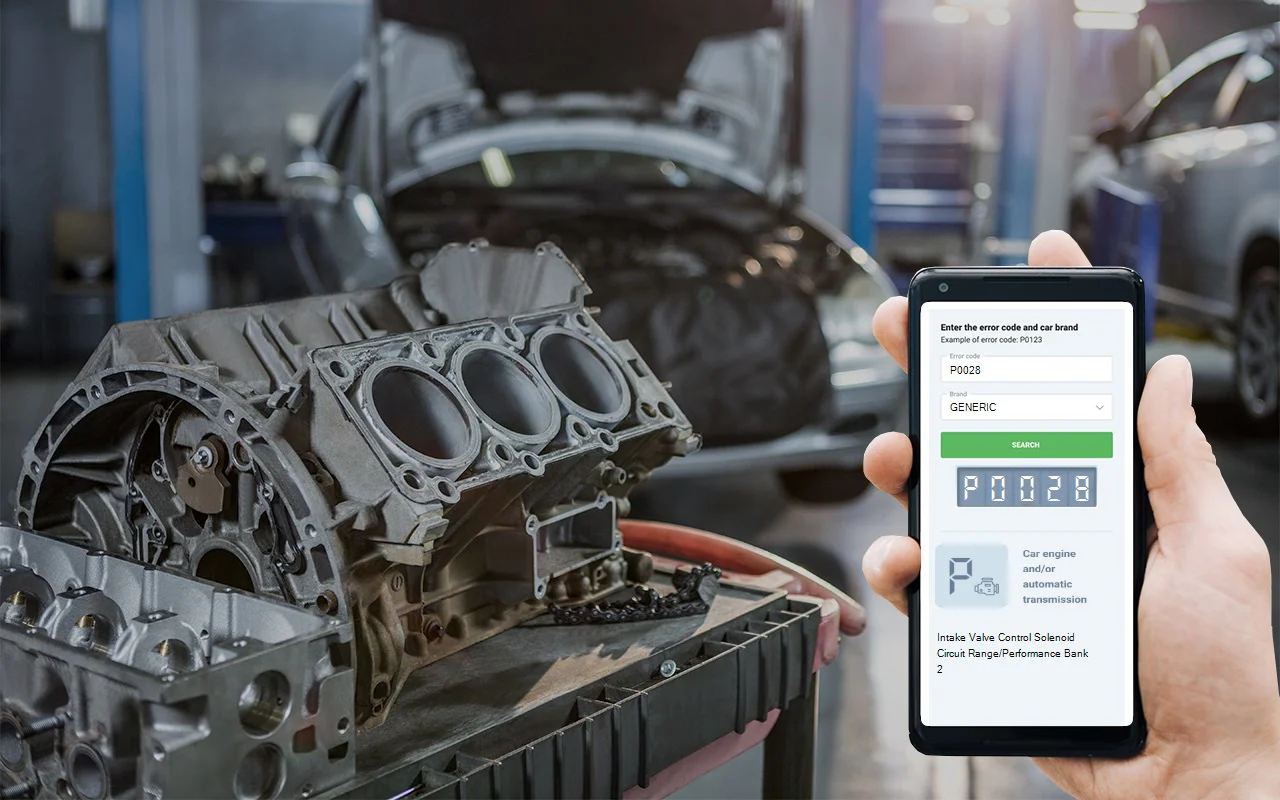
Common Mistakes when fixing P0028 engine code
In cases like this, I often see folks jump straight to replacing the VVT solenoid without checking the wiring or oil condition first. That’s a surefire way to waste money. Another common mistake is overlooking the VVL diagnostic switch or ignoring the possibility of a wiring issue. Don’t forget to check the basics-oil level, connectors, and wiring-before replacing any parts. Skipping these steps can lead to frustration and unnecessary repairs.

How serious is dtc P0028
Honestly, this isn’t something you want to ignore. The risks just aren’t worth it. If you let a p0028 code go unchecked, you could end up with poor engine performance, higher fuel consumption, or even engine misfires. Over time, this can cause more serious damage-like wearing out the camshaft actuator, damaging the solenoids, or even harming the engine internals if oil flow is restricted. Things can go south quickly if overlooked, so don’t put this off for later.
Repair steps for P0028
Here’s what I usually do to fix a p0028 code, based on what the diagnosis turns up:
- If the oil is low or dirty, change it and replace the oil filter. Sometimes that’s all it takes.
- Repair or replace any damaged wiring or corroded connectors going to the VVT/VVL solenoids and switches.
- If a solenoid or the VVL diagnostic switch is faulty, swap it out for a new OEM part.
- If the actuator is stuck or not responding, it may need to be replaced.
- Clear the code and test drive the vehicle to make sure everything’s working as it should.
Conclusion
To sum it up, code P0028 means your engine’s intake valve timing system isn’t working right on Bank 2. It’s usually caused by a faulty solenoid, switch, or wiring issue, and it can lead to rough running, poor power, and even engine damage if ignored. My advice? Start with the simple checks-oil, wiring, and connectors-then move on to testing the solenoids and switches. Don’t delay on this one; the risks are real, and the most reliable fix is to follow a step-by-step diagnosis and replace only what’s truly faulty. That’s the best way to get your engine running smoothly again and avoid bigger headaches down the road.
- How To Fix P0028? | Intake Valve Control Solenoid Circuit Range/ Performance (Bank 2)
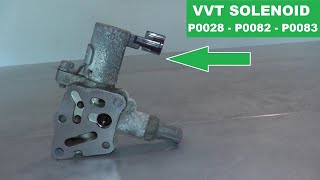
- Subaru P0028 - P0082 - P0083 VVT Solenoid: Testing and Replacement
- CÓDIGO P0028 🟢 Solucionado 🟢 Código avería Solenoide Válvula Admisión Síntomas, Causas y Soluciones

- P0026 P0028 on Subaru - Tribeca, Forester, Impreza, Legacy, Outback Impreza 2.5L 3.0L
