
Causes of P0029 code
From experience, the most common reasons for a p0029 are pretty straightforward, but there are a few sneaky ones that can catch people off guard. Here’s what I usually find:
- Low or dirty engine oil - VVT systems rely on clean, pressurized oil to work right.
- Clogged oil passages or a gummed-up VVT solenoid - Old oil or sludge can block things up fast.
- Faulty exhaust camshaft control solenoid - These can fail electrically or get stuck with debris.
- Problems with the camshaft actuator itself - If it’s leaking or stuck, timing can’t adjust properly.
- Loose or misaligned timing chain/belt - If the timing is off, the camshaft won’t be where it’s supposed to be.
- Bad ECM/PCM - Rare, but I’ve seen it happen when everything else checks out.
Most often the issue is with oil quality or the solenoid, but it’s important to check everything on this list.
Symptoms and obd code P0029
When obd code p0029 shows up, you’ll probably notice a few things aren’t quite right with your car. Here’s what drivers usually report to me:
- The check engine light comes on (that’s the first clue for most folks).
- Engine feels sluggish or doesn’t accelerate like it used to.
- Poor fuel economy - you might find yourself filling up more often.
- Sometimes, the engine might idle rough or feel a bit off.
It’s not uncommon for these symptoms to sneak up slowly, so don’t ignore them if you notice things changing.

Diagnosis steps for P0029 engine code
If you’re staring at a P0029 and scratching your head, here’s my hands-on approach to tracking down the problem:
- Start with the basics-pop the hood and check your oil level and condition. If it's low or looks like old coffee, that's a problem. Top it off or swap it out if necessary. Sometimes, that's all it takes to fix the issue.
- Take a closer look at the oil itself. Sludge or metallic bits? That points to clogging or contamination, both of which can choke up your VVT solenoid or oil passages in a hurry.
- Next up, zero in on the exhaust camshaft control solenoid. Unplug its connector and grab your digital voltmeter-measure its resistance. If the numbers are off, plan to replace it. If resistance checks out, I like to pull the solenoid and look for gunk or torn seals. You'd be surprised how often a simple cleaning sorts things out.
- While you're in there, don't sleep on the camshaft actuator. Check it for leaks, obvious wear, or if it seems jammed. If it looks suspect, follow the factory procedure to get it out and inspect it up close.
- Timing chain or belt next-make sure there’s no slack or misalignment. If those timing marks don't line up, your camshaft won’t be where the computer expects it to be. That’ll trigger a code every time.
- If everything else checks out, I’ll break out the scan tool or scope to watch the signals coming from the ECM/PCM. Bad signals here sometimes point to a computer issue, but that's rare in my experience.
Always start simple-oil and solenoids first. Don’t tear into the engine unless you have to. And if any of this feels over your head, don't risk it-bring in someone with the right tools and know-how.
Common Mistakes when fixing P0029 trouble code
I’ve seen a few common mistakes when folks try to tackle this p0029 trouble code. Here’s what to watch out for:
- Skipping the oil check - People often jump straight to replacing parts without checking oil quality or level. That’s a surefire way to waste time and money.
- Not cleaning or inspecting the VVT solenoid - Sometimes it’s just dirty, not broken.
- Overlooking the timing chain or belt - If the timing is off, nothing else will work right.
- Ignoring related codes - If you see codes like P0078, P0079, or P0080, fix those first. They can point straight to the root cause.
- Assuming the ECM/PCM is bad without checking everything else - It’s rare for the computer to fail, so rule out all the basics first.
Don’t cut corners-take the time to check each step thoroughly.

Seriousness and risks of P0029
Ignore a P0029 and you’re playing with fire. I’ve seen engines go from a minor hiccup to a full-blown meltdown if this code gets shrugged off. You could be looking at rough running, lousy fuel mileage, or even a sudden stall when you least expect it. Worst case? You keep driving and the actuator, solenoid, or even your timing chain starts to fail. That can mean expensive repairs-or in some cases, serious engine damage. Trust me, you don’t want to gamble with this one. The sooner you sort it out, the better off you and your engine will be.
Repair solutions for dtc P0029
Here’s what usually fixes a dtc p0029, based on what I see in the shop and what the manuals recommend:
- Change the engine oil and filter if it’s dirty or low. Use the correct type and grade for your car.
- Clean or replace the exhaust camshaft control solenoid if it’s clogged or faulty.
- Flush the oil passages if there’s sludge or buildup.
- Repair or replace the camshaft actuator if it’s leaking or stuck.
- Check and adjust the timing chain or belt if it’s loose or misaligned.
- In rare cases, repair or replace the ECM/PCM if it’s not sending the right signals.
I recommend starting with an oil change and solenoid inspection-those are the most common fixes.


Conclusion
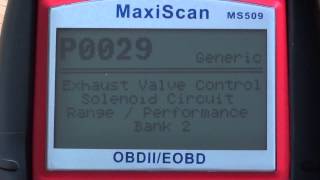
Wrapping it up, p0029 means your exhaust cam timing system on bank 2 is out of whack-usually thanks to oil or solenoid problems. Don’t drag your feet on this. If you let it slide, you’re asking for bad performance, a lighter wallet at the pump, and the kind of engine trouble that ruins weekends. Stick with the basics: fresh oil, check that solenoid, and make sure your timing is set right. Catch it early, and you’ll save yourself money, time, and headaches down the road.
 5987
5987 6 minutes of reading