When I see a P0034 code pop up, I know the car’s PCM is waving a red flag about the turbocharger or supercharger bypass valve, or possibly the wiring that controls it. This little valve is absolutely essential for managing boost pressure-without it, you could easily end up with way too much pressure in the system every time you lift off the throttle. The PCM is always watching for anything out of the ordinary; if the circuit starts reading lower than it should, you get a P0034. Don’t be surprised if you spot codes like P0033 or P0035 alongside it-they’re all tied to the same family of boost control issues, and I’ve seen them show up on everything from daily drivers to tuned performance cars. Keeping that bypass valve in check is key to a healthy, responsive engine.
DTC P0034
 4083
4083 5 minutes of reading
Causes of P0034 trouble code
From my time under the hood, the usual suspects for a P0034 code are:
- A turbocharger or supercharger bypass valve that’s worn, sticking, or just plain failed-age and heat do a number on these.
- Trouble lurking in the wiring or connectors-think broken wires, loose connectors, or corrosion creeping in. I see these issues way more than folks realize.
- Every now and then, the PCM itself is at fault-either outdated software or a rare internal glitch.
If you ask me, most of the time it’s something simple like a crusty connector or a tired valve, but I never skip checking the whole circuit. It’s amazing how often the fix is right in front of you if you know where to look.
Symptoms associated with P0034
When you’re staring down a P0034 code, here’s what you’re likely to run into:
- The check engine light-yep, it’ll almost always be glaring at you.
- Weird sounds from the engine bay, especially near the turbo or supercharger. Listen for hissing, fluttering, or anything that just doesn’t sound familiar-often, that’s the bypass valve acting up.
- The car just doesn’t pull like it used to-sluggish acceleration, less power, or an overall drop in performance.
These issues can sneak up quietly, so don’t brush off any new noises or a change in how your car feels. Trust your gut-if something’s off, it’s worth checking out.

Diagnosis process for P0034 engine code
Here’s how I go after a P0034 code, step by step:
- First, I hook up a scan tool-not just to confirm the code, but to hunt for any other related codes. Sometimes, the real clue is in the company it keeps.
- Next up: a close look at the bypass valve and its wiring. I’m searching for cracked insulation, frayed wires, or connectors that look like they’ve seen better days. Make sure everything is plugged in tight and nothing’s corroded. More often than not, the culprit is a simple electrical issue.
- Then, I’ll gently check the bypass valve itself. Does it move freely, or is it sticky and sluggish? If you’re hands-on, you can give this a shot, but go easy-you don’t want to break anything.
- If it’s all checking out so far, I bust out the multimeter and test for proper voltage and ground at the valve connector. This tells me if the PCM’s sending the right signals.
- Still stumped? I dig into technical service bulletins (TSBs) specific to your car. Sometimes, the manufacturer already knows there’s an issue and has posted a fix-software updates or wiring revisions aren’t uncommon.
Here’s a pro-tip: always start with the basics before you get lost in complicated diagnostics. Nine times out of ten, it’s something simple staring you in the face.
Common mistakes with obd code P0034
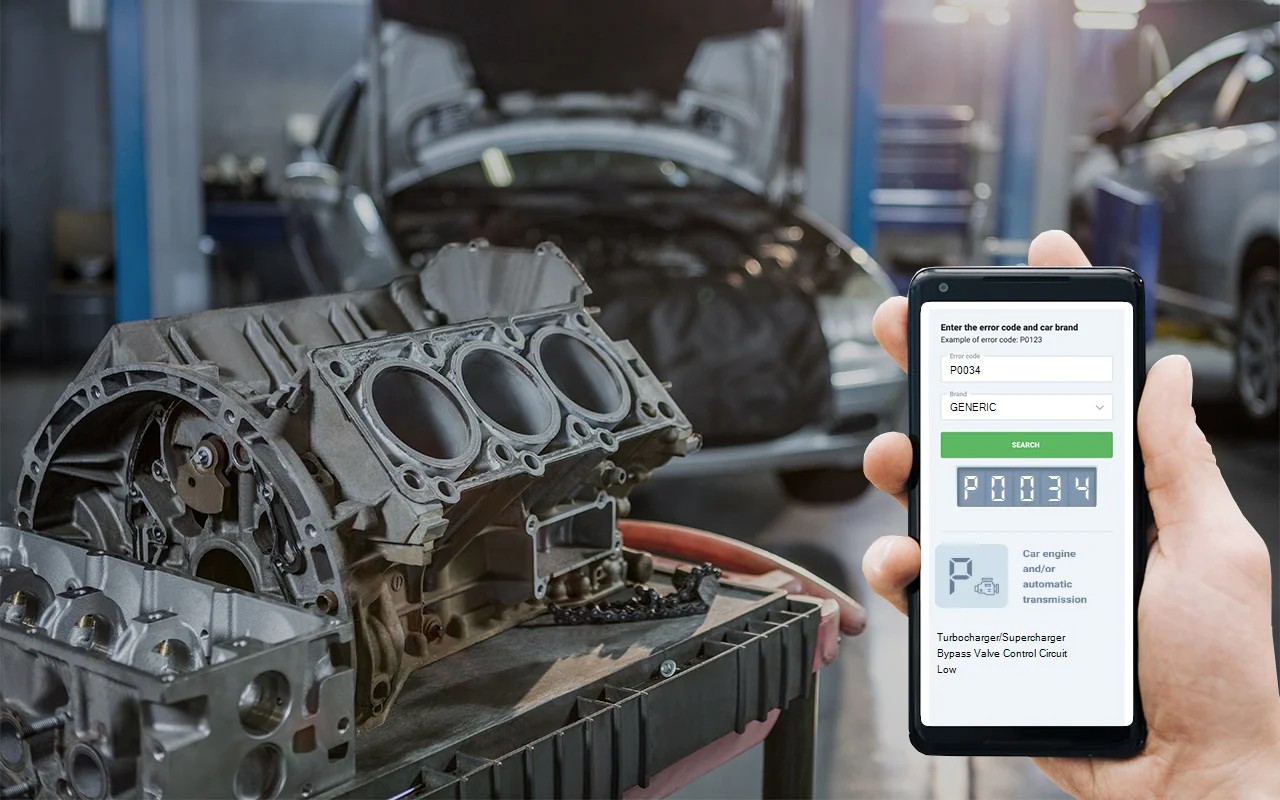
A classic mistake I see is folks rushing to replace the turbo or bypass valve without ever checking the wiring. That’s a quick way to drain your wallet for no good reason. Another one? Ignoring TSBs or software updates from the dealer-sometimes, the fix is as easy as a software flash. Skipping a proper visual inspection is another pitfall. Always, always double-check your connectors and wires before you start swapping out expensive parts. That’s the kind of step that saves you a lot of grief.

How serious is obd2 code P0034
If you’re wondering whether you can let a P0034 code slide for a while, take it from me-you really shouldn’t. A bad bypass valve or control circuit doesn’t just rob you of performance; it can let pressure spike and put your turbo, supercharger, or even the engine itself at risk. I’ve seen more than one engine end up on the bench because an owner ignored this warning. Address it quickly, and you’ll dodge much bigger (and costlier) trouble down the road.
Repair steps for dtc P0034
Here’s my go-to game plan for sorting out a P0034 code:
- First, fix or replace any busted wiring or dodgy connectors in the bypass valve circuit. Don’t cut corners-do it right the first time.
- If the bypass valve is sticking or just not working, swap it out for a new OEM part. Cheap aftermarket stuff often causes more headaches than it solves.
- Check for any TSBs or software updates-if there’s a fix, get the PCM reprogrammed by someone who knows what they’re doing.
- On rare occasions, the PCM itself might be the problem. Only go down that road if you’ve ruled out everything else, and get a pro to handle it.
Always follow the repair manual for your specific ride-skipping the right procedure can turn a simple job into a nightmare.
Conclusion
At the end of the day, when your car throws a P0034 code, it’s your PCM telling you there’s a problem with the turbo or supercharger bypass valve or its wiring. Don’t drag your feet-let this slide and you could be staring at major engine or turbo damage. Start with the easy stuff: wiring, connectors, then the valve itself. If you’re out of your depth, don’t hesitate to bring in a pro. Stick with proven diagnostics and OEM parts for any repairs. Trust me-act now, and both your engine and your wallet will be better off for it.