
When you see a P0035 code pop up, your car's PCM is waving a red flag about something odd going on with the turbocharger or supercharger bypass valve control circuit. Let me break it down: this bypass valve plays a huge role in regulating boost pressure in any forced induction setup-turbo or supercharged engines. Whenever you suddenly lift off the throttle, the bypass valve kicks open to let that extra pressure escape safely, saving your turbo or supercharger from a world of hurt. If the valve gets stuck, won’t open, or there’s a glitch in the wiring, the PCM will throw the P0035 code. So, what’s that actually mean for your ride? Your engine’s not getting the right boost control, and you’re risking both performance and reliability. In my experience, this valve is vital for keeping things running smooth and preventing some very expensive headaches down the line.
DTC P0035
 5302
5302 6 minutes of reading
Causes and dtc P0035
From my time in the shop, I can tell you the roots of a p0035 code are usually pretty clear-cut. Here’s what I see most often:
- The bypass valve itself has failed-sometimes it’s just old age, sometimes dirt and oil gunk it up until it can’t do its job.
- Wiring or connector issues in the bypass valve circuit-frayed wires, corroded pins, or plugs that don’t seat right are all common culprits.
- PCM problems-this could be outdated software, or in rare cases, something internally wrong with the computer.
Nine times out of ten, it’s a wiring or valve issue, not the PCM, but I always double-check every angle. I’ve seen this code on everything from Fords to Toyotas and Renaults-it’s not picky about the badge on your hood.
Symptoms and P0035
When a p0035 code shows up, you’ll usually spot a few telltale signs. First and foremost, that check engine light will be staring you down. Sometimes, you might catch strange noises-think hissing or a quick whoosh-right around the bypass valve when you ease off the throttle. But the most obvious symptom? A noticeable drop in performance. Maybe the car feels like it’s dragging its feet, or it shoves itself into limp mode, cutting your power in half to keep things safe. Ignore these signs, and trust me, things can snowball fast. Catch it early, and you’ll save yourself a lot of hassle.

Diagnosis process for obd2 code P0035
Want to zero in on a p0035 code the way a pro does? Here’s my personal checklist:
- Start by eyeballing the basics. I always inspect the wiring and connectors at the bypass valve-look for cracked insulation, green fuzz (corrosion), or anything loose. A second set of hands to wiggle the harness while you watch for issues is a big help here.
- Next move? Use your scan tool to clear the code, then see if it comes back as soon as the engine runs. If it does, the problem’s still active-don’t skip this step.
- Then, put the bypass valve itself to the test. Depending on your car, you might trigger it with a scan tool or just apply voltage directly (but only after checking your service manual!). If the valve’s stuck or making odd noises, it’s toast.
- If the valve checks out, it’s time to break out the multimeter. Confirm you’ve got good voltage and ground at the connector-don’t just assume! Sometimes the problem hides on the harness side, not the valve.
- Last stop is the PCM. It’s not common, but if everything else looks good, you could be dealing with a software issue or a rare internal fault. Always look for TSBs-they can save you hours of hunting for ghosts.
My advice? Always start with the simple stuff. The basics catch most problems, and you’ll save a lot of time (and money) staying methodical.
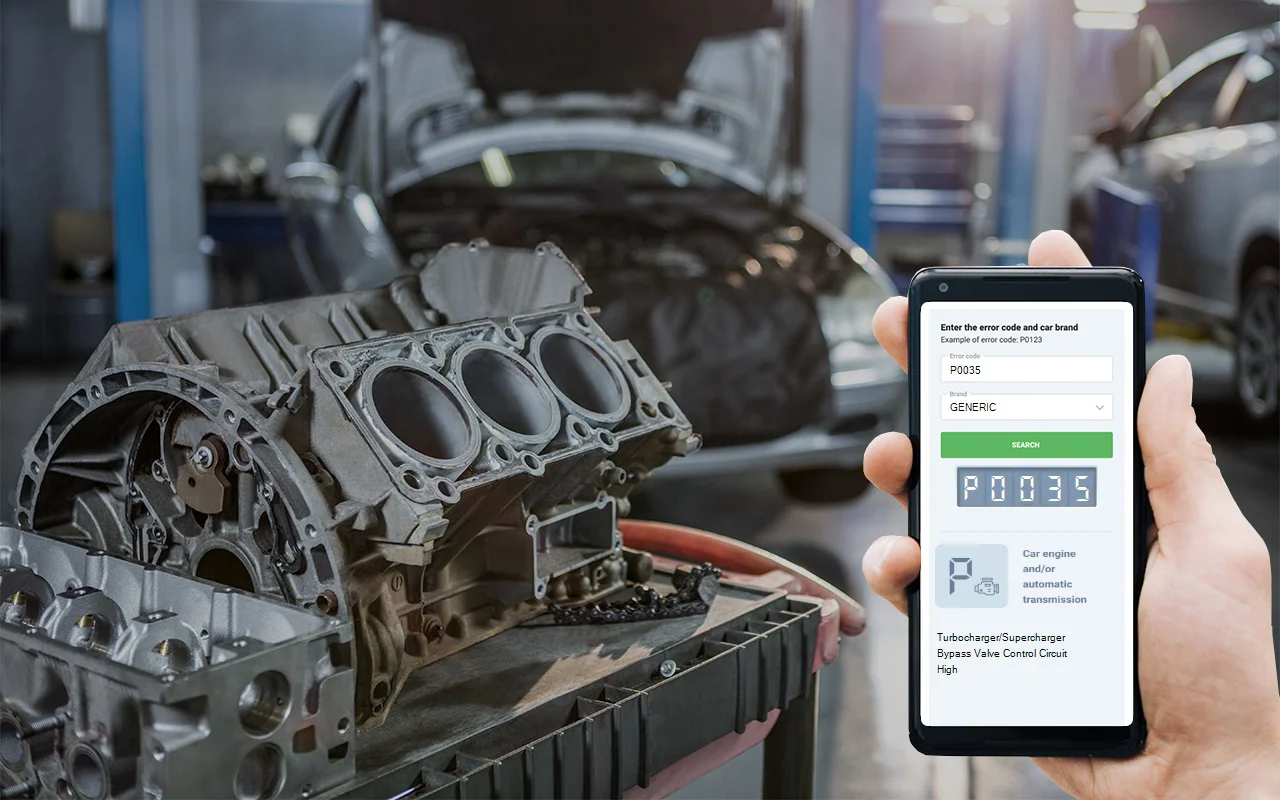
Common Mistakes with P0035 engine code
One thing I see all the time is folks swapping out the bypass valve right off the bat, only to find out later it was just a crusty connector or a chafed wire causing the headache. Don’t chase parts before you’ve checked the wiring-otherwise, you’re just throwing money away. Another classic blunder: skipping over TSBs or ignoring PCM updates. Sometimes, the fix is literally a software flash that takes fifteen minutes. Stick to the basics first, double-check your work, and don’t get ahead of yourself with expensive replacements.

Seriousness of the P0035 trouble code
Take it from me-this code is nothing to shrug off. A glitchy bypass valve or a fried circuit can zap your power, and if the system senses trouble, your car might slam itself into limp mode to protect the engine. Let it go too long and you could end up with a trashed turbo or supercharger-repairs that’ll hit your wallet hard. Even worse, sudden power loss can catch you off-guard on the highway, making for some sketchy situations. The turbo, supercharger, intake system, and even the engine are all at risk if you keep driving with this code hanging over your head.
Repair steps for obd code P0035
Here’s how I go about fixing a p0035 code in the real world:
- Patch up or swap out any sketchy wiring or corroded connectors in the bypass valve circuit.
- If the bypass valve fails the test, replace it-don’t mess around with questionable parts here.
- If there’s a PCM software update or a TSB related to your problem, get it done. Sometimes that’s all it takes.
- On the rare chance the PCM itself is the problem, replace it only after everything else checks out.
Stick with OEM parts and follow your vehicle’s factory procedures-cutting corners only leads to more headaches down the road.
Conclusion
Bottom line: a P0035 code means your ride’s computer has caught an issue with the turbo or supercharger bypass valve circuit. Don’t let it linger-tackle it quickly, or you’re asking for bigger bills (and maybe a tow truck in your future). Start simple: check the wiring and connectors. Then move on to the valve itself, and, if you’ve exhausted those, turn your attention to the PCM. Trust me, working through the steps patiently and using quality parts is the surest way to get your car back in top shape. Don’t wait until you’re stranded or staring down a blown turbo-get it fixed and keep rolling with confidence.
- 2015 Ford F-150 3.5L ECOBOOST P0035 #ford #truck #fordf150
- P0035 P2565 Honda Civic SI TYPE R TURBO BYPASS SOLENOID ISSUE ** EASY FIX **
- CÓDIGO P0035 🟢 Solucionado 🟢 Códigos de avería Válvula Turbo Cargador Síntomas, Causas y Soluciones

- P0035 Turbocharger/Supercharger Bypass Valve 🟢 Trouble Code Solved 🟢 Symptoms Causes Solutions
