
Causes of P0039 code
From my time under the hood and flipping through countless factory manuals, the main suspects for a P0039 code are:
- A boost pressure sensor that’s gone bad-hands down, this is usually the first thing I check.
- A bypass valve actuator that isn’t doing its job (that’s the piece that actually moves the valve).
- A bypass valve that’s stuck or failing altogether.
- Wiring or connectors that are broken, loose, or corroded anywhere in the turbo or boost control circuit.
- Vacuum lines that are cracked, split, or just plain off (for systems using vacuum).
- PCM or boost controller issues-these are rare, but they can bite you.
Almost every time, it boils down to a bad sensor or a wiring issue. But don’t overlook those pesky vacuum hoses-I’ve lost count of how many times a split hose was the real troublemaker.
Symptoms of P0039 trouble code
When P0039 is active, you’ll notice pretty quickly that something’s off. Usually, your car feels like it’s lost its edge-sluggish acceleration is the big giveaway. Sometimes, you’ll hear a hissing sound coming from the turbo area or notice weird noises from the hoses. I’ve seen engines and transmissions running hotter than usual, and if you spot extra smoke pouring out the exhaust, that’s a solid clue. Spark plugs getting fouled is another thing I’ve run into. You might even see other codes crop up-stuff related to turbo boost, misfires, or even knock sensors. If your ride just isn’t running right, don’t brush it off. That code is your car’s way of waving a red flag.

Diagnosis steps for dtc P0039
Let me walk you through how I’d approach a P0039 code. It’s all about sticking to the basics and not skipping steps:
- First up, always check for Technical Service Bulletins (TSBs) for your specific make and model. Manufacturers sometimes know about these issues before you do and will have a fix lined up.
- Grab your scan tool and pull every stored code along with the freeze frame data. This tells you what was going on when the code appeared.
- Clear the codes and see if P0039 pops up again right away. If it does, you’ve got a hard fault. If not, it might be one of those annoying intermittent issues.
- Now, get your hands dirty-do a visual inspection. Look around the turbo, the bypass valve, and the boost control wiring and connectors for anything damaged, loose, or corroded. Don’t skip checking the battery terminals-bad grounds cause all sorts of ghost problems.
- If you’ve got vacuum lines running the show, check every inch for cracks, splits, or loose connections. Even a tiny split can cause a world of trouble.
- Break out your DVOM (digital volt/ohm meter) and test the wiring and sensors for proper voltage and resistance. Always follow the manufacturer’s specs and remember-disconnect components before checking resistance or you might fry something.
- Test the bypass valve actuator, too. I’ve seen them stick or just plain fail mechanically.
- If you’ve tried all this and the code keeps coming back, you might have a rare PCM or boost controller issue. But honestly, that’s the last thing I’d suspect.
Start simple-wiring, hoses, and sensors-before you go hunting for pricier problems. That’s the smart way.
Common mistakes when diagnosing obd code P0039
A classic mistake I see is folks rushing to swap out the bypass valve or actuator without even checking the boost pressure sensor. Nine times out of ten, the sensor’s the troublemaker, not the valve itself. Another thing? Overlooking a loose or cracked vacuum hose. You wouldn’t believe how many headaches that can cause. Skipping the basics-like checking TSBs or forgetting to pull all the codes with a scan tool-wastes time and money. My advice? Always do a thorough inspection before throwing parts at the problem.

Seriousness of obd2 code P0039
Don’t take this one lightly. If your bypass valve can’t keep boost pressure under control, you’re flirting with disaster. Too much boost is a recipe for engine knock, blown head gaskets, or even catastrophic engine failure. I’ve seen spark plugs get ruined, turbos get trashed, and engines overheat when this code gets ignored. Trust me, things can go sideways in a hurry. Get it checked out fast, or you could be staring at a repair bill that’ll ruin your month.
Repair steps for P0039
From my experience and what the manuals spell out, here’s how you typically fix a P0039:
- Swap out a faulty boost pressure sensor-this solves most cases I see.
- Repair or replace any damaged wiring or connectors in the boost control circuit.
- Fix or replace split, loose, or disconnected vacuum hoses (for systems that use them).
- Replace a stubborn bypass valve actuator or the valve itself if it’s sticking or shot.
- If you’re really unlucky, reprogram or replace the PCM or boost controller, but that’s pretty rare.
Here’s a pro-tip from the garage: always start with the sensor and wiring before you go for the big-ticket parts. It’ll save you time and cash.


Conclusion
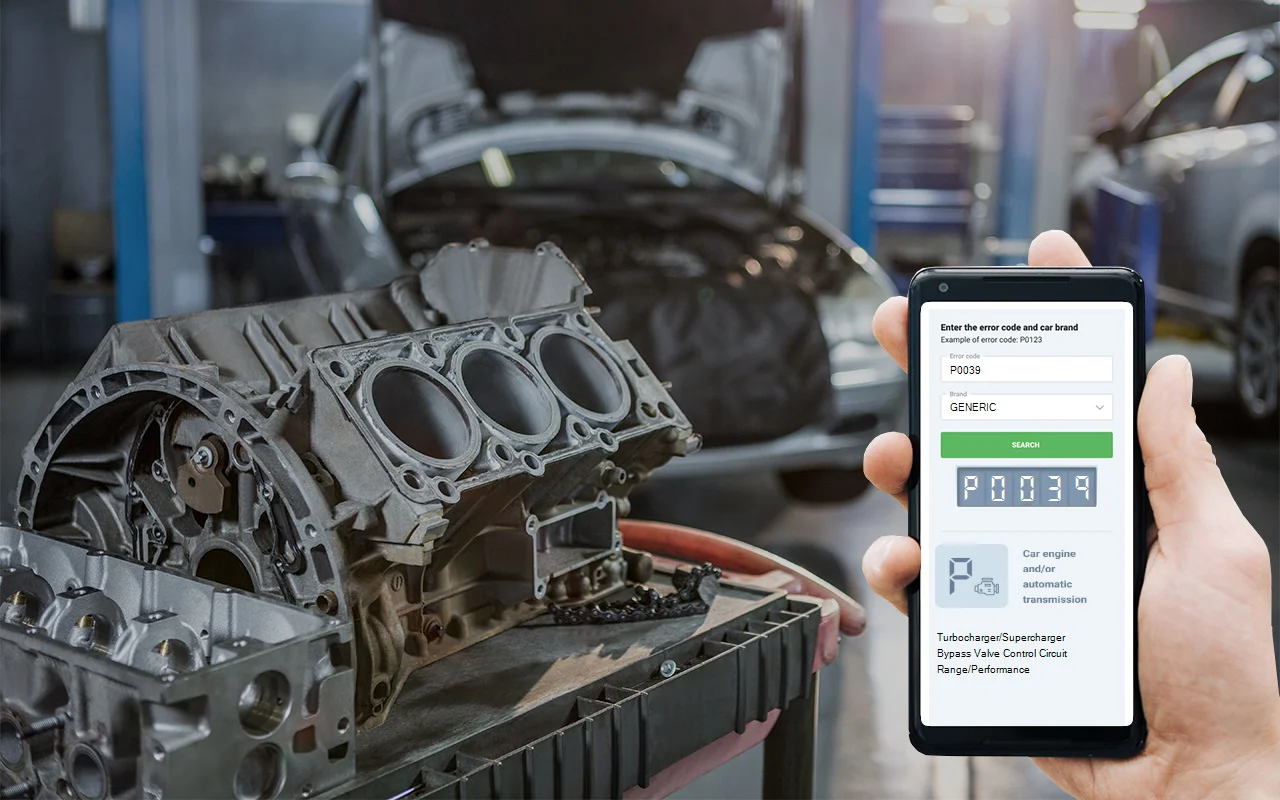
If you’re seeing P0039, your car’s brain can’t properly control the turbo or supercharger bypass valve, and that’s critical for safe boost pressure. This isn’t just a minor annoyance-leave it alone and you’re risking serious engine damage and some wallet-busting repairs. The best fix? Start with a close look at the sensors, wiring, and vacuum lines, only replacing the actuator or valve if you’ve ruled out the simple stuff. Don’t wait around-getting this sorted quickly is the best way to keep your engine (and your bank account) happy.
 4276
 6 minutes of reading