
Causes of P003D code
From years of wrenching, I can tell you that most P003D headaches trace right back to oil issues or problems with the hardware that manages oil flow to the camshaft. Nine times out of ten, here’s what I’m chasing down:
- Engine oil level running too low
- Using oil that’s the wrong type or viscosity-anything other than what the manufacturer lists can throw things off
- Oil that’s gone dirty or has picked up gunk
- Oil control solenoid going bad (this little guy directs oil flow to move the camshaft as needed)
- Camshaft actuator valve sticking or hanging up
- Wiring in the camshaft control circuit that’s broken, frayed, or otherwise damaged
- Short circuits-could be inside the wire harness or from physical wear
- And sometimes, though it’s rare, the ECM itself might be the culprit
Honestly, most of the time it’s something simple like old oil or a tired solenoid, but don’t cut corners-work through each possible cause in order.
Symptoms of obd2 code P003D
Whenever this code sets, you’ll notice your ride just isn’t itself. Here’s what drivers usually bring up when they roll into my bay:
- Engine doesn’t pull like it should, especially when you step on it
- Idling rough or running uneven-what we call poor drivability
- The gas mileage takes a hit
- Throttle feels heavy or slow to respond
- That crisp, responsive feel from the engine just isn’t there anymore
- You might sense the power band has shifted, or it just feels “off” through the rev range
If these sound familiar, don’t wait around-problems like these don’t fix themselves, and ignoring them just ups the risk of something more serious.

Diagnosis of P003D engine code
Let me walk you through how I tackle a P003D diagnosis in the shop. Always start simple, trust me-it saves time and headaches:
- First thing I do? Grab that dipstick and check your oil level. If it’s low, top it off with the oil your owner’s manual calls for.
- Next, take a hard look at the oil itself. If it’s black, gritty, or looks like it’s seen better days, swap it and the filter out right away. These systems are picky-clean oil is non-negotiable.
- Double-check you’re running the correct viscosity and oil type. Stray outside those specs and you’re asking for trouble with these variable cam systems.
- Once oil is squared away, move to the wiring and connectors at the camshaft profile control solenoid. I’ve seen everything from chewed wires to corroded pins cause issues. A shot of contact cleaner does wonders on crusty connections.
- Test the solenoid itself-sometimes you can feel or hear it actuate, but usually you’ll want a scan tool or multimeter to confirm it’s working right.
- If all that checks out, now’s when I’d go further-like testing the actuator valve or, as a last resort, suspecting the ECM.
If you’re not sure where to probe, always pull up the wiring diagram for your car. And if you’ve got a buddy handy, an extra set of eyes makes chasing electrical gremlins way easier.
Common mistakes when fixing obd code P003D
A classic mistake I run into-folks jump right to swapping expensive parts before checking the basics. Here are the biggest slip-ups I see:
- Overlooking oil-either not checking the level or dodging an overdue oil change
- Pouring in the wrong oil type or weight
- Missing damaged, broken, or corroded wiring and connectors
- Replacing the solenoid or actuator without actually verifying they’re toast
- Skipping the service manual and guessing at test procedures
Cutting these corners can wipe out your wallet and waste hours. Always start with the simplest, cheapest checks before you break out the big guns.

Seriousness of P003D trouble code
Take it from me-you don’t want to put off a P003D code. While sometimes it’s just an inconvenience, letting camshaft profile control issues slide can mean poor performance, worse emissions, and even some wallet-busting engine damage. If dirty or wrong oil gums up the actuator or solenoid, you could end up with bad valve timing, which can chew up a camshaft, hammer the valves, or even trash the timing chain. Bottom line: stay ahead of this one and get it squared away fast, or you could be staring down a much bigger repair bill later.
Repair steps for P003D
Once you’ve tracked down what’s behind the code, here’s my go-to repair checklist for a P003D:
- Change the oil and filter if it’s dirty, old, or not the right stuff
- Fix or swap out any busted or corroded wiring or connectors in the camshaft control circuit
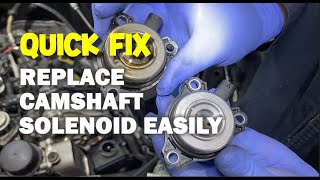
- Clean or replace the oil control solenoid if it’s sticking or malfunctioning
- If there’s sludge or contamination, flush the engine to get it clean inside
- On rare occasions, you might have to replace the actuator itself or deal with the ECM if everything else checks out
Start with the easy, low-cost fixes like fresh oil and wiring repairs before shelling out for pricier components.



Conclusion
So here’s the takeaway: P003D means your camshaft profile control system (usually exhaust side, Bank 1) isn’t playing nice. Ignore it, and you could be looking at anything from lousy performance to real engine damage. In my experience, the smartest way to tackle it is by swapping out old oil and filter, giving all the related wiring and connectors a solid check, and only going after parts like the solenoid or actuator once you’ve confirmed they’re the issue. Don’t drag your feet-acting quickly keeps your engine happy and your wallet out of trouble.
 4597
 6 minutes of reading