
When you see a P0043 code pop up, your vehicle’s computer is telling you there’s a snag with the heater circuit in one of your oxygen sensors-specifically, we’re talking about Bank 1 Sensor 3. Let me break this down: oxygen sensors are the unsung heroes that help your engine run at its best, making sure your fuel is burning clean and your emissions are in check. But they can't do their job from a cold start-they need to warm up fast, which is why there's a built-in heater inside each one. If your car’s computer notices that the heater circuit isn’t pulling in the right voltage-usually it’s just too low-it throws this code. Bank 1 points to the side of the engine with cylinder #1, and Sensor 3 is often the one further down the exhaust stream. Without that heater working, the sensor lags behind, especially when you first fire up the engine. So, if you’re seeing P0043, it’s usually a sign that the heater circuit in that oxygen sensor isn’t doing its job.
DTC P0043
 5609
5609 6 minutes of reading
Common Causes and dtc P0043
From my years in the shop, the number one culprit behind a p0043 code is a failed oxygen sensor-the heater element inside just gives up after a while. But don’t stop there. I’ve come across plenty of cases where the real issue was chewed up or corroded wiring, or connectors that got loose or damaged-sometimes even grounding out where they shouldn’t. Every now and then, you might run into a problem with the PCM (that’s your car’s main computer), maybe a rare glitch or a software hiccup. Here’s what’s usually at the root of it when I’m tracing down this code:
- Oxygen sensor failure (heater element burns out)
- Broken, shorted, or damaged wiring and connectors in the heater circuit
- Problems with the PCM (software issues or internal faults-uncommon, but not impossible)
Recognizing the Symptoms of the P0043 Engine Code
In all honesty, most folks won’t notice anything out of the ordinary when this code sets. Nine times out of ten, the only thing tipping you off is that pesky check engine light on your dash. The car might drive just like it did yesterday-no rough idling, no drop in power, nothing obvious. But here’s the thing: don’t take the lack of symptoms as a free pass. That light is your warning, even if you don’t feel a difference behind the wheel.

How to Diagnose a P0043 Trouble Code
Let me walk you through how I tackle this in the garage-you can do a lot of it yourself if you’re handy and careful. First up, confirm that check engine light is on and pull the code with a proper scan tool. Don’t guess; always verify. Next, give the wiring and connectors running to that oxygen sensor a close look-watch for anything frayed, corroded, melted, or just plain out of place. I can’t count the number of times a simple visual inspection saved hours of guesswork. If everything looks solid, grab a multimeter and check for battery voltage at the heater circuit with the ignition on. If you’re not seeing voltage, start tracing those wires back toward the fuse and relay-sometimes it’s a blown fuse or a bad relay that’s the real gremlin. Still nothing? Unplug the sensor and use your meter to check the resistance across the heater pins. If that reading is way off from what your manual says it should be, odds are the sensor’s heater is toast. Only after ruling out everything else do I start suspecting the PCM, but honestly, that’s a rare scenario. And a word to the wise-if you’re not confident poking around hot exhausts or electrical connectors, don’t go it alone. A second set of hands is always safer.

Avoiding Common Mistakes with P0043
A classic mistake I see all the time? Folks rush out and swap the oxygen sensor as their first move, without even glancing at the wiring. That’s a quick way to throw money down the drain if the real issue is a broken wire or a cruddy connector. Skipping over the fuse or relay that powers the heater circuit is another blunder-sometimes the solution is as simple as replacing one of those. And don’t forget to check for shorts to ground in the wiring; it’s not always the sensor’s fault. Always start with the basics before you start buying new parts.

The Seriousness of a P0043 Code
Now, while a P0043 code probably won’t leave you calling for a tow truck, that doesn’t mean it’s no big deal. Here’s the real risk: if the oxygen sensor heater isn’t working right, your engine’s efficiency can take a hit, and emissions can creep up. Over time, this can spell trouble for your catalytic converter-and trust me, that’s a repair you don’t want to pay for. Plus, if you’re due for an emissions test, that check engine light guarantees a fail. The bottom line? Don’t brush it off. Catch it early, and you’ll save yourself a lot of headaches (and cash) down the road.
Repair Steps for obd2 code P0043
When I’m fixing a P0043, my first move is always to check and repair any sketchy wiring or connectors I spot. Only after that do I look at replacing the oxygen sensor if the heater element tests bad. If you track the problem to a blown fuse or a fried relay, swap those out-and don’t forget to figure out why they failed in the first place. In rare situations, you might need to update or repair the PCM, but I’ve only seen that a handful of times. Here’s my usual checklist:
- Swap out the oxygen sensor if its heater is shot
- Fix or replace any damaged or shorted wiring in the heater circuit
- Replace any blown fuses or faulty relays, but always address what caused the failure
- Update or repair the PCM if you’ve ruled out everything else (hardly ever needed)
Conclusion
So, to wrap it up, if you’re seeing P0043, your oxygen sensor’s heater circuit is acting up-and you don’t want to put this off. Even when your car feels just fine, this code can open the door to bigger headaches, and it’ll keep that check engine light glaring at you. My advice? Start with a thorough check of the wiring and connectors, then move on to testing the sensor itself. Nine times out of ten, the fix is either a new sensor or sorting out the wiring. Don’t let it slide-get it sorted sooner rather than later, and your car will thank you with smoother running and cleaner emissions.
- P0043 HO2S Heater Control Circuit Low Bank 1 🟢 Trouble Code Solved 🟢 Symptoms Causes Solutions

- How To Fix P0043? | HO2S Heater Control Circuit Low (Bank 1, Sensor 3)
- Fault code P0043: Lambda sensor 3, line 1, heating control - circuit too low - Auto 24 plugs
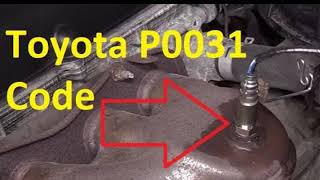
- How to Diagnose and Fix P0043 Engine Code - OBD II Trouble Code Explain
