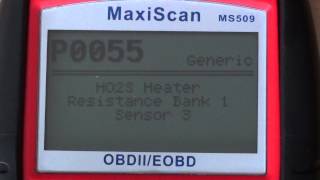
Let me break down what Diagnostic Trouble Code P0055 actually means for your vehicle. This code stands for “HO2S Heater Resistance (Bank 1, Sensor 3).” In plain English, your car’s computer (the PCM) has noticed something off with the heating circuit inside one of your oxygen sensors-specifically, the one located on the same side as cylinder #1, and usually further down the exhaust system. These oxygen sensors are crucial because they help your engine run efficiently by measuring the oxygen in your exhaust and letting the computer adjust fuel and timing. The heater inside the sensor is there to get it up to temperature quickly, so it can start working right away, especially during cold starts. If the PCM detects that the resistance in this heater circuit is higher than normal, it triggers the P0055 code and usually turns on your check engine light. This is all about making sure your emissions stay clean and your engine runs smoothly.
DTC P0055
 4141
4141 5 minutes of reading
Causes of P0055 code
From experience, the most common reasons I see for a P0055 code are usually related to the wiring or the sensor itself. Here’s what typically causes this code:
- Burnt, broken, or disconnected wiring or connectors going to the oxygen sensor
- A faulty oxygen sensor (the heater element inside can fail over time)
- A blown fuse or burnt fusible link in the heater circuit
- A bad engine control relay that supplies power to the sensor heater
- In rare cases, a problem with the PCM (the car’s computer) itself
Most often, it’s a wiring issue or the sensor itself that’s gone bad. I recommend starting with those before moving on to the more complex stuff.
Symptoms and dtc P0055
When this code pops up, there are a few things you might notice while driving. The most obvious is the check engine light coming on. You might also have trouble with cold starts-maybe the engine takes longer to fire up, or it runs rough for a bit. From what I’ve seen, you could notice your fuel economy dropping, or even see black smoke from the exhaust if things get really rich during startup. Sometimes, you’ll feel a general drop in engine performance, and you might see other related codes show up if the problem is affecting more than just this one sensor.

Diagnosis steps for obd code P0055
Here’s how I usually tackle a P0055 code, step by step:
- First, I always start by checking the basics-make sure the wiring and connectors going to the affected oxygen sensor aren’t damaged, burnt, or unplugged. Sometimes, road debris or heat from the exhaust can cause issues here.
- Next, I’ll check the fuse for the sensor heater circuit. If it’s blown, that’s a clear sign something’s wrong-don’t just replace the fuse, find out why it blew.
- After that, I use a multimeter to measure the resistance of the heater circuit inside the oxygen sensor. If the resistance is way out of spec (usually much higher than what the service manual says), the sensor’s heater is probably shot.
- If the sensor and wiring check out, I’ll test the engine control relay that supplies power to the heater. A bad relay can cut power and trigger this code.
- Finally, if everything else looks good, I’ll consider the PCM, but honestly, that’s pretty rare. It’s best to rule out all the simple stuff first.
It’s better to have someone assist you when checking under the car, and always make sure the engine is cool before you start poking around the exhaust area.

Common Mistakes when dealing with P0055
One thing I see a lot is folks jumping straight to replacing the oxygen sensor without checking the wiring or the fuse. That’s a surefire way to waste money if the real problem is just a broken wire or a blown fuse. Another common mistake is not checking the relay or ignoring the possibility of a connector that’s just loose or corroded. Don’t forget to inspect all the related wiring before moving on to more expensive parts.

Seriousness of a P0055 trouble code
This isn’t something you want to ignore. If you let it go, your engine could start running rich, which means more fuel gets dumped in than needed. That can lead to black smoke, poor fuel economy, and even damage your catalytic converter over time. The risks just aren’t worth it-things can go south quickly if overlooked. In the worst cases, you could end up with a failed catalytic converter, which is a costly repair. Honestly, it’s dangerous to ignore this, especially if you notice other symptoms like rough running or smoke.
Repair solutions for obd2 code P0055
In cases like this, the most reliable fix is to address whatever is causing the heater circuit to fail. Here’s what I typically do:
- Repair or replace any damaged wiring or connectors going to the sensor
- Replace the oxygen sensor if the heater element is faulty
- Replace any blown fuses or burnt fusible links, but only after finding out what caused them to blow
- Swap out a faulty engine control relay if it’s not supplying power to the heater
- In very rare cases, repair or replace the PCM if it’s confirmed to be the issue
It’s best to start with the simple stuff-wiring, fuses, and the sensor itself-before moving on to more complex repairs.
Conclusion
To sum it up, P0055 means your car’s computer has found a problem with the heater circuit in one of your oxygen sensors, and it’s not something to put off. Diagnosing it is usually straightforward if you start with the basics: check the wiring, fuses, and sensor first. The risk level is high because ignoring it can lead to bigger, more expensive problems down the road. The most reliable way to fix it is to find the root cause-most often a bad sensor or wiring-and get it sorted right away. Don’t wait on this one; your engine and your wallet will thank you.