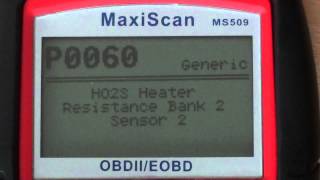
P0060 is a diagnostic trouble code that stands for “HO2S Heater Resistance Bank 2 Sensor 2.” Let me break this down like I would for a customer at the workbench: your car’s computer (the PCM) is picking up on a problem with the heater circuit in the downstream oxygen sensor on Bank 2. Oxygen sensors? They’re the unsung heroes of modern engines, constantly sniffing exhaust gases to keep your air-fuel mix spot on. What a lot of folks miss is that these sensors have tiny heaters inside-those heaters get the sensor up to temp fast, especially on cold starts, so your engine management can make quick, accurate adjustments. If the PCM notices the resistance in that heater circuit is higher than it expects, up pops code P0060. Bank 2 is simply the side of the engine that’s not home to cylinder #1, and Sensor 2 is the one after the catalytic converter. That specific sensor-and its working heater-are essential for tight fuel control and keeping emissions in check.
DTC P0060
 4227
4227 5 minutes of reading
Causes and obd code P0060
From experience, the most common reasons for a P0060 code are pretty straightforward. Most often the issue is damaged wiring or connectors leading to the oxygen sensor. I’ve seen plenty of cases where a blown fuse or a burnt fusible link is the culprit. Sometimes, the oxygen sensor itself goes bad, especially after years of use. In rare cases, a malfunctioning relay or even a problem with the PCM (the vehicle’s computer) can trigger this code. Here’s a quick rundown of what I usually check first:
- Damaged wiring and/or connectors
- Faulty oxygen sensor
- Blown fuse
- Burnt fusible link
- Malfunctioning relay
- PCM issues (less common, but possible)
Symptoms and obd2 code P0060
If you’re driving around with a P0060 code, the first thing you’ll probably notice is the check engine light popping up on your dashboard. That’s your car’s way of telling you something’s not right. Another thing I’ve seen is a drop in fuel efficiency-your car might start using more gas than usual. Sometimes, you won’t notice any other obvious symptoms right away, but don’t let that fool you; the problem is still there and can get worse over time.

Diagnosis and P0060 code
Here’s what I usually do when I’m tracking down a P0060 code. I always start with the basics-don’t jump straight to replacing parts. First, I recommend checking the fuse for the oxygen sensor heater circuit. If it’s blown, replace it and see if the code clears. Next, inspect the wiring and connectors going to Bank 2 Sensor 2. Look for any signs of damage, corrosion, or loose connections. It’s better to have someone assist you, especially if you’re working in tight spaces. After that, I test the oxygen sensor itself using a multimeter to check the heater circuit resistance. Compare your readings to the specs in your vehicle’s service manual. If everything checks out but the code remains, I move on to testing the relay and, in rare cases, the PCM. Don’t forget to check for any technical service bulletins (TSBs) related to your vehicle-sometimes there’s a known issue or updated procedure that can save you time.
Common Mistakes and P0060 engine code
One thing I see a lot is folks replacing the oxygen sensor right away without checking the wiring or fuses first. That’s a surefire way to waste money if the real issue is a damaged wire or a simple blown fuse. Another common mistake is not verifying the sensor location-Bank 2 Sensor 2 can be tricky to find if you’re not familiar with your engine layout. Skipping the basics and ignoring TSBs can lead to headaches down the road. Always start simple and work your way up.

Seriousness and dtc P0060
Honestly, it’s dangerous to ignore this code for too long. While you might be able to drive for a while, you’re risking poor fuel economy and increased emissions. Over time, a faulty heater circuit can cause the oxygen sensor to send inaccurate readings, which can lead to engine misfires and even damage your catalytic converter. That’s a serious hazard, and the risks just aren’t worth it. Don’t put this off for later-things can go south quickly if overlooked.
Repair and P0060
In cases like this, it’s usually a matter of repairing or replacing damaged wiring, swapping out a blown fuse, or replacing the oxygen sensor itself. If the relay is faulty, that’ll need to be replaced too. On rare occasions, if the PCM is at fault, it may require reprogramming or replacement, but that’s not common. I personally recommend starting with the simplest fixes-fuses and wiring-before moving on to sensor replacement. Always use OEM parts and follow the factory repair procedures for your specific vehicle.
Conclusion
To sum it up, P0060 means there’s an issue with the heater circuit in your downstream oxygen sensor on Bank 2. It’s important to address this promptly because ignoring it can lead to bigger problems like poor fuel economy and catalytic converter damage. The most reliable way to resolve it is to start with basic checks-fuses, wiring, and connectors-then move on to testing and possibly replacing the sensor. Don’t skip steps, and always consult your vehicle’s service manual. Acting quickly is the best way to keep your car running safely and efficiently.