If you’re staring at a P0072 code, here’s what’s really going on under the hood: The Powertrain Control Module (PCM) is getting a reading from the ambient air temperature (AAT) sensor that’s way off-it thinks it’s a whole lot colder outside than it actually is. From my time in the shop, I can tell you that this sensor rides up front, usually tucked behind the grille or bumper, where it’s supposed to keep tabs on the outside air temp. The PCM relies on that info to run your A/C system properly and to give you a readout on your dashboard. It’ll even cross-check the AAT sensor against the intake air temp (IAT) and engine coolant temp (ECT), especially during cold starts. If those numbers don’t add up, or the AAT is sending a signal that just doesn’t make sense, the PCM flags the P0072 code. In a nutshell, this is the car’s way of making sure it knows what the weather’s really like so everything-from comfort to engine management-runs smoothly.
DTC P0072
 5167
5167 6 minutes of reading
Causes of obd2 code P0072
From experience, I can tell you that p0072 is almost always caused by something simple in the wiring or the sensor itself. Here’s what I see most often:
- A break or open circuit in the wiring going to the AAT sensor
- A bad ground connection for the sensor
- A faulty or failed AAT sensor (they do wear out, especially up front where they get hit with road debris and weather)
- Rarely, a problem with the PCM itself-but that’s the last thing I’d suspect
In cases like this, it’s usually a wiring issue or a sensor that’s given up after years of exposure.
Symptoms of the P0072 engine code
When this code pops up, here’s what you might notice as a driver:
- The check engine light will be on
- Your air conditioning might not work right-it could blow warm air or not respond as it should
- The outside temperature display on your dash or overhead console could be way off, or not show anything at all
Other than that, you might not feel any difference in how the car drives, but the comfort features can definitely act up.

Diagnosis steps for P0072
Let me walk you through how I usually chase down a P0072 code in the shop, step by step:
- First thing I do is check for any Technical Service Bulletins (TSBs) tied to your make and model. Sometimes there’s a factory fix for a common issue, and it’ll save you a ton of time.
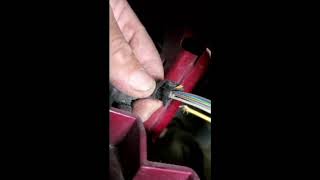
- Next, I track down the AAT sensor-most of the time, you’ll find it behind the front grille or bumper. Having an extra set of hands or a flashlight makes life easier here.
- I always start with a good look at the sensor, the connector, and the wiring. Look for the telltale signs: frayed or broken wires, corrosion, busted connectors, or scars from road debris. Pay close attention to any green corrosion or burnt spots on the terminals-those are the troublemakers.
- If I spot any dirt, corrosion, or oxidation, I reach for some electrical contact cleaner and a soft brush, then let it all dry and add a dab of dielectric grease to keep water and grime out.
- After cleaning, I disconnect the sensor and check its resistance with a digital voltmeter. The number should line up with what’s expected for the current outside temperature (you’ll find that chart in the service manual). If you get a reading of zero or it’s off the charts, the sensor’s toast.
- If the sensor’s good, I move on to the wiring. With the ignition on, check for proper voltage at the connector-typically 5 volts. If there’s nothing, you’re probably dealing with a wiring break or the rare PCM issue.
- Last step: clear the code and see if it comes back. If it does, and everything else checks out, that’s when I start thinking about the PCM, but honestly, that’s hardly ever the case.
Here’s a pro tip: always start with the basics-wiring and connectors-before you reach for a new sensor or dig deeper into the electronics.

Common mistakes when fixing a P0072 trouble code
A classic mistake I see-folks jump right to swapping out the sensor without even glancing at the wiring. That’s money down the drain more often than not. Another one? Ignoring the connector terminals. Corrosion hiding there can throw off your readings and send you on a wild goose chase. I’ve also seen people skip checking for TSBs, missing out on easy, manufacturer-backed fixes. And don’t just assume it’s a power problem-always check both the power and ground sides of the circuit. Overlooking either one can leave you scratching your head for hours.

Seriousness of dtc P0072
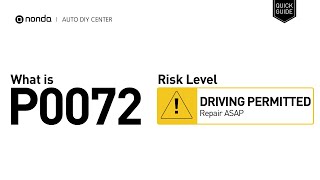
While a p0072 code isn’t going to leave you stranded on the shoulder, it’s not something I’d advise ignoring. If your air conditioning or defrost isn’t working right, you could end up with fogged-up windows-and that’s a real safety issue, especially in bad weather. Plus, if the PCM is running off bad info, it might throw other systems out of whack. And here’s the thing: little electrical problems have a nasty habit of turning into big ones if you let them slide. Damaged wiring can snowball into PCM failures, and that’s a repair you don’t want. Take care of it before it turns into a real headache.
Repair solutions for a P0072 code
Here’s what fixes a p0072 code nine times out of ten, based on what rolls through my garage and what the manuals say:
- Repair or swap out any busted wiring or connectors leading to the AAT sensor
- Clean up corroded terminals and hit them with dielectric grease
- If the sensor flunks the resistance test, go ahead and replace it
- On the rare occasion it’s the PCM, reprogram or replace it-but only after you’ve ruled out everything else
After any repair, always clear the code and take the car for a spin to make sure it doesn’t pop back up. Don’t skip the test drive.
Conclusion
Bottom line: P0072 is your car’s way of saying it’s not getting a good read on the outside air temperature-usually thanks to a wiring or sensor hiccup. It’s not the sort of thing that’ll stop your engine, but it can mess with your comfort and, if ignored, might turn into something bigger. Start with a close inspection of the sensor and all the wiring-that’s where I find most problems hiding. Don’t let it linger, and if you’re not comfortable chasing down electrical gremlins, it’s smart to let a pro handle it. Fixing it right now keeps things comfortable and saves you from bigger headaches later on.