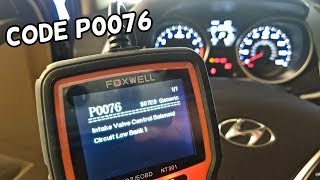
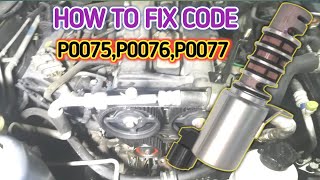
When you see a P0076 code show up, what’s really happening is your car’s computer-the PCM-is picking up on a problem with the intake valve control solenoid circuit on Bank 1. For those who don’t spend all day elbows-deep in engines, Bank 1 just means the side with cylinder #1. That solenoid? It’s absolutely essential for the variable valve timing (VVT) system. VVT is what lets your engine breathe right and squeeze out more power while sipping less fuel. If the voltage on this solenoid circuit drops below what the PCM expects, it’ll set a code. In plain language, your engine’s ability to adjust valve timing is compromised, which means you might notice the engine running rough, using more fuel, or just not sounding quite right. It’s one of those codes that can make a good car run like it’s got a cold.
DTC P0076
 4551
4551 6 minutes of reading
Causes and obd2 code P0076
From my time under the hood, I can tell you the most common reasons for a P0076 code are these:
- Wiring or connector issues-think cracked insulation, corroded pins, or a connector that’s just a little too loose. It’s amazing how often something simple like this is the culprit.
- A VVT solenoid that’s worn out or gummed up with sludge. These solenoids work hard and they don’t last forever.
- Low engine oil-since VVT depends on oil pressure, not having enough oil throws everything out of whack.
- Every now and then, it’ll be the PCM itself. Maybe a glitch or some kind of internal fault, but that’s the rare exception in my experience.
Honestly, it’s almost always one of the first three. Start with the basics before you start swapping out computers. And just so you know, I run into this on lots of brands-Hyundai, Ford, Renault, you name it.
Symptoms and P0076 trouble code
When DTC P0076 rears its head, here’s what you’ll likely notice: That check engine light will shine bright-first clue every time. The engine might feel rough or just a bit off, like it’s lost some of its pep. Fuel mileage can take a nosedive too. Sometimes, you’ll find the car hesitates or drags when you try to accelerate-especially true in Hyundais, where I’ve seen this code lead to sluggish take-offs. Ignore these signs, and they only get worse. Trust me, your car’s trying to tell you something’s not right.

Diagnosis and obd code P0076
Let me walk you through how I tackle a P0076 code, step by step:
- First thing-check the oil. Both the level and the condition. VVT needs clean oil to do its job. If it’s low or dirty, fix that first.
- Next, get eyes on the wiring and connectors at the intake VVT solenoid on Bank 1. Look for cracked wires, green corrosion, or connectors that move when you touch them. Sometimes just giving the connector a wiggle can help you find a loose pin.
- If everything looks clean, grab a multimeter and check for proper voltage and ground at the solenoid connector. No power? Time to trace the harness for a break or short.
- If the wiring checks out, pull the solenoid. I like to bench test it if I can, or swap it with the solenoid from the other bank (if the engine’s got one) and see if the problem follows the part.
- Don’t forget: Always clear the code and take a test drive after any fix. If the code comes back, only then do I start thinking about the PCM or a software update, but that’s a last resort.
If you’re not comfortable poking around with electrical stuff, get someone who is. And always disconnect the battery before unplugging connectors-no sense in making things worse.
Common Mistakes and P0076 code
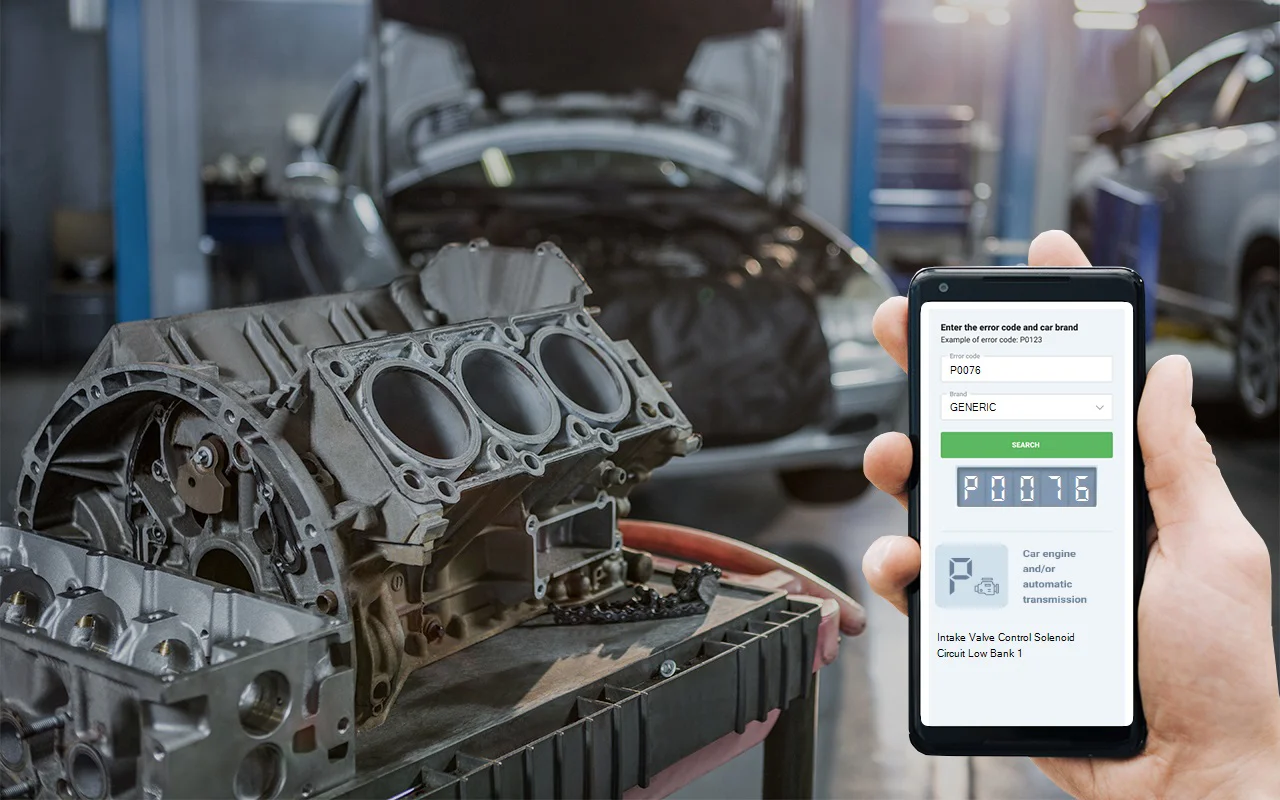
A classic mistake I see all the time is folks swapping out the VVT solenoid right away-without checking the wiring or oil first. Another? Not doing diagnosis by the book for your specific model. Manufacturers love to do things their own way, so don’t skip the research. Overlooking a dirty connector or ignoring low oil is a sure way to waste both time and money. Pro tip from the garage: Always start with the basics. You’d be surprised how often the simple stuff solves the problem.

Seriousness and dtc P0076
If you’re wondering whether you can just drive with a p0076 and deal with it later, here’s my advice-don’t. While it probably won’t leave you stranded right away, letting it slide can tank your performance and fuel economy, and in some cases, set you up for some pretty expensive engine repairs down the line. If the solenoid gets stuck or oil pressure drops too low, you might be looking at camshaft or timing chain damage. That’s a big bill. So, bottom line: get on top of this one before it spirals.
Repair steps and P0076
Here’s what usually fixes it, based on what I see in the shop:
- Repairing or replacing any damaged wires or connectors in the solenoid circuit. Even a little corrosion can throw things off.
- Swapping out the intake VVT solenoid if it’s acting up or sticking. Sometimes a good cleaning does the trick, other times you need a new one.
- Changing the engine oil and filter if things are low or look dirty. Clean oil is vital for VVT function.
- Very rarely, replacing or updating the PCM if it’s proven to be at fault.
What I’ve found is that most of the time, cleaning or replacing the solenoid and fixing up the wiring sorts this code out for good.
Conclusion
If you’re staring at a P0076, you’re dealing with a problem in the intake valve control solenoid circuit-and that throws your engine’s timing, performance, and economy out of balance. The smartest move is to check the basics first: oil, wiring, and the solenoid itself. Don’t drag your feet, because little problems turn into big ones in no time. Trust me, a thorough, step-by-step diagnosis always wins out over guesswork. That’s how you keep your ride reliable and your repair bills in check.