
Causes and obd2 code P0078
From experience, the most common reasons I see for a P0078 code are:
- Problems with the wiring or connectors-like corrosion, loose pins, or damaged wires in the solenoid circuit.
- A faulty VVT (variable valve timing) solenoid itself. These can get clogged or just wear out over time.
- Issues with the engine computer (PCM), or sometimes the software just needs an update.
Most often the issue is with the solenoid or the wiring, but I’ve seen a few cases where a PCM update fixed it. It’s best to start with the basics before jumping to conclusions.
Symptoms and obd code P0078
When this code pops up, here’s what you’ll likely notice:
- The check engine light will be on, plain and simple.
- You might feel the engine running rough, sluggish, or just not as peppy as usual.
- Fuel economy can take a hit-you’ll notice you’re filling up more often.
Sometimes, the symptoms are subtle, but don’t ignore them. If you notice the engine isn’t running right, it’s time to get it checked out.

Diagnosis and dtc P0078
Here’s how I usually tackle a P0078 code, step by step:
- First, I check the basics-make sure the oil level and condition are good. Dirty or low oil can mess with the VVT system.
- Next, I visually inspect the wiring and connectors going to the exhaust valve control solenoid. Look for any signs of corrosion, broken wires, or loose connections. Don’t forget to check both ends-at the solenoid and at the PCM.
- Then, I use a scan tool to clear the code and see if it comes back right away. If it does, I move on to testing the solenoid itself. You can usually unplug the solenoid and check its resistance with a multimeter (the specs are in the repair manual for your car). If it’s way off, the solenoid is likely bad.
- If the solenoid checks out, I’ll use the scan tool to command the solenoid on and off and watch for changes. No response? That points to a wiring or computer issue.
- Finally, if everything else looks good, I check for any PCM software updates. Sometimes, a reflash can solve weird electrical issues.
It’s better to have someone assist you if you’re not comfortable with electrical checks-don’t risk shorting anything out.
Common Mistakes with P0078
I’ve seen a few common slip-ups with this code:
- Jumping straight to replacing the solenoid without checking the wiring or oil condition first.
- Overlooking a simple blown fuse or corroded connector-these little things can cause big headaches.
- Not checking for PCM updates. Sometimes, the fix is just a software update, not a new part.
Don’t skip the basics. It’s easy to waste time and money if you miss a simple problem.

Seriousness of P0078 code
Ignore this one, and you’re asking for trouble. The VVT system isn’t just a fancy add-on-it’s vital for the way your engine performs and how much fuel you burn. Letting a P0078 code sit could mean you’re looking at sluggish acceleration, lousy mileage, and, if the timing goes really haywire, even engine damage. I’ve seen camshafts, timing chains, and catalytic converters all take a beating when this is left unchecked. Take it from me: a sticky solenoid or a shorted wire can cause a world of hurt if you keep driving and hope it goes away. Act fast, and you’ll avoid a bigger repair bill down the road.
Repair options for P0078 trouble code
Here’s what usually fixes a P0078 code, based on what I see in the shop and the official repair procedures:
- Repair or replace any damaged wiring or connectors in the solenoid circuit.
- Replace the exhaust valve control (VVT) solenoid if it’s faulty or clogged.
- Update or reflash the PCM if there’s a known software issue.
- Change the engine oil and filter if it’s dirty or overdue-clean oil is critical for VVT operation.
Always use the right parts and follow the repair manual for your specific vehicle. That’s the surefire way to get it right the first time.




Conclusion
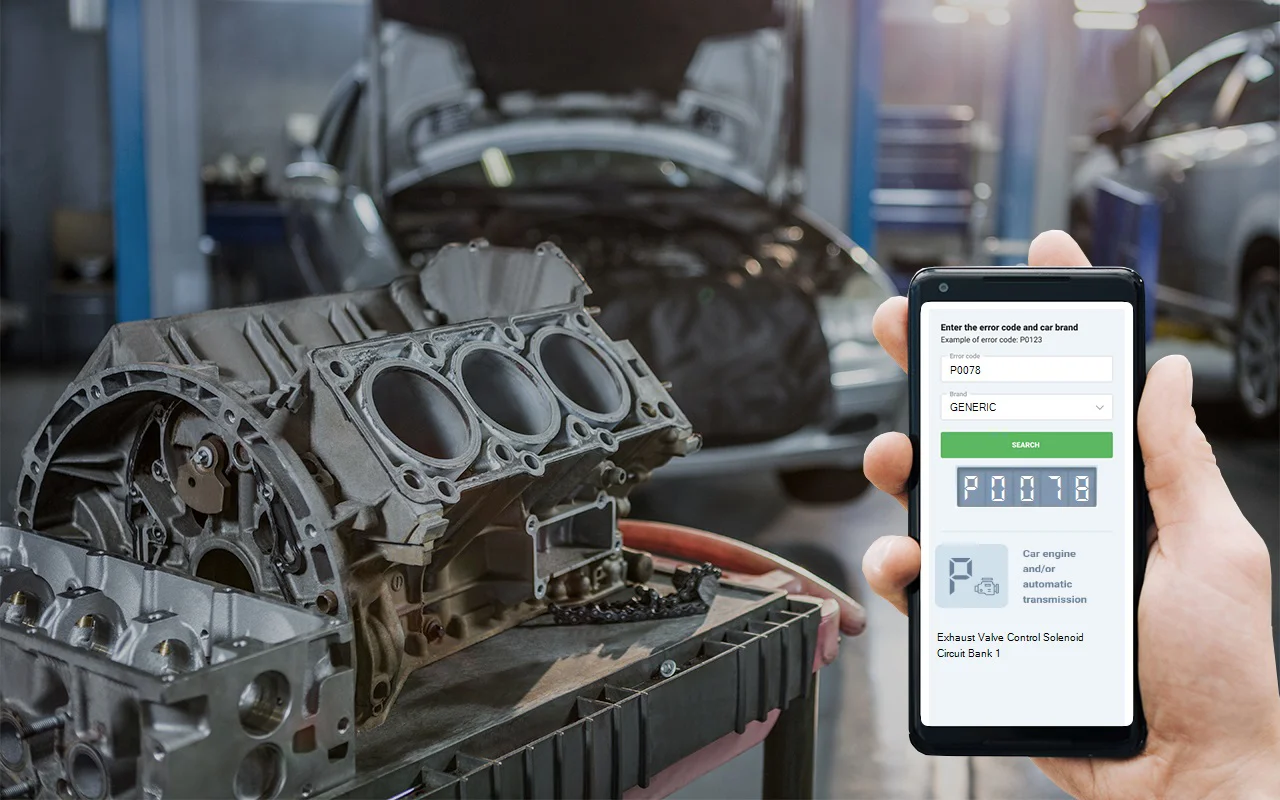
To sum it up, P0078 means your car’s computer isn’t happy with the exhaust valve control solenoid circuit on Bank 1. It’s a problem that affects engine performance and fuel economy, and it can lead to bigger issues if ignored. I recommend starting with simple checks-oil, wiring, and connectors-before moving on to the solenoid or computer. Don’t put this off for later; the risks just aren’t worth it. The most reliable fix is to follow the step-by-step diagnostic process and use quality parts. That way, you’ll get your car running right and avoid future headaches.
 4077
4077 5 minutes of reading