
Causes of P0084 engine code
Let me break down what typically causes a P0084, both from what I see in the garage and what the manuals say:
- Corroded or loose wiring connections at the exhaust valve control solenoid
- An exhaust valve control solenoid that’s gone bad
- Shorts to power or ground somewhere in the wiring harness
- An internal fault with the ECM or PCM (not as common, but it happens)
Honestly, it's usually the wiring or the solenoid itself. Every now and then, I’ll come across a failed engine computer, but that’s pretty rare compared to the first two.
Symptoms of dtc P0084
If this code’s active on your car, chances are your check engine light is staring back at you. That’s not all, though. Most drivers tell me their car just doesn’t get up and go like it used to-poor acceleration, sluggish engine response, and sometimes you’ll notice you’re burning through more fuel than normal. If you’re seeing these red flags, don’t let it slide. The sooner you track it down, the better off your engine will be.

Diagnosis with obd2 code P0084
When I’m facing a P0084, here’s how I go about it:
- Start with a good visual check. Pop that hood and take a close look at the wiring and connectors on Bank 2’s exhaust valve control solenoid. I’m looking for anything obvious-loose plugs, wires that look chewed up or corroded. Sometimes, just cleaning up a dirty connector or tightening something loose does the trick.
- Next, I’ll unplug the harness from both the solenoid and the computer. I always keep a wiring diagram handy for this step-every car’s a little different. With my digital multimeter set to ohms, I’ll check resistance across the solenoid’s power and ground wires. If I see a reading way off from spec (should usually be around 1 ohm or less), that’s a clue there’s a break or corrosion hiding somewhere.
- Then, it’s time to check the solenoid itself. With it unplugged, I measure resistance across its own terminals. If it’s out of spec or there’s no continuity at all, odds are the solenoid’s shot. Here’s a pro-tip: also check for an internal short by putting one meter lead on a solid ground and the other on each solenoid terminal. Any resistance here means trouble inside the solenoid.
- After that, I’ll poke around for shorts to power or ground in the wiring harness. With everything unplugged, if I see voltage where there shouldn’t be, there’s a short lurking somewhere.
- If all that checks out-wiring looks good, solenoid passes the test-I’ll move to the ECM/PCM. Using a scan tool, I’ll watch how the computer’s commanding that solenoid at different engine speeds and loads. If the computer isn’t doing its job, you might be looking at a rare ECM/PCM fault.
Bottom line: Always start simple-wiring and connectors first-before chasing down the more complicated stuff.
Common Mistakes when fixing P0084
A classic mistake I see is folks rushing to replace the solenoid before checking the wiring. That’s an easy way to waste your money if a corroded or loose connector is really to blame. Another thing that trips people up is only checking the power side of the circuit and forgetting the ground-sometimes the problem’s hiding there. And don’t forget to double-check which bank you’re working on. Mixing up Bank 1 and Bank 2 happens more than you’d think, and it leads to a lot of unnecessary work and frustration.

Seriousness of P0084 code
Ignoring a P0084 code is asking for trouble. You’re not just risking poor performance and lousy gas mileage-if the solenoid fails completely or a wiring short goes unchecked, you could end up with serious damage to your VVT system or even the engine itself. I’ve seen simple wiring issues snowball into expensive repairs when left alone. If your engine’s running rough or losing power, it’s not just inconvenient-it can be downright dangerous. Don’t wait on this one.
Repair options for P0084 trouble code
From what I’ve seen, here’s what usually gets a P0084 sorted:
- Repairing or swapping out any corroded or damaged wiring and connectors going to the exhaust valve control solenoid
- Replacing the solenoid itself if it fails the resistance or continuity checks
- Tracking down and fixing any shorts to power or ground in the harness
- In those rare cases, replacing or reprogramming the ECM/PCM if it really is to blame
Don’t forget: Always clear the code and take the car for a test drive to make sure you nailed the fix.



Conclusion
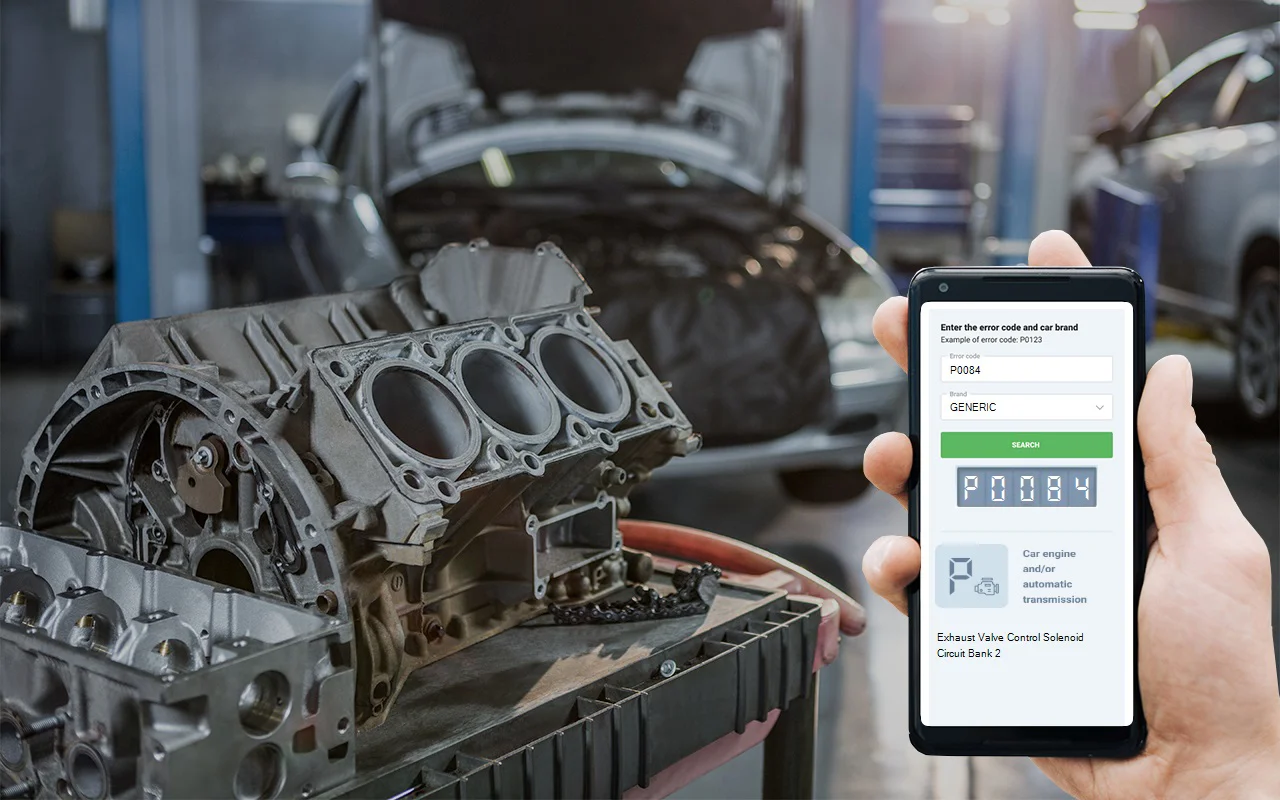
So, when you see P0084, you’re looking at an issue with the exhaust valve control solenoid circuit on Bank 2-most times, it’s just the wiring or the solenoid itself acting up. Get after it quickly, because letting it sit can mean bigger headaches and bigger bills down the road. My advice? Start with the easy stuff like wiring and connectors, then check the solenoid, and only move on to the computer if you have to. Nine times out of ten, cleaning up a wiring problem or swapping a bad solenoid gets you back on the road. Don’t put this off-fixing it early is the key to keeping your engine running strong and your wallet happy.
 5427
 6 minutes of reading