
Causes and obd code P0091 Issues
From experience, the most common reasons for a P0091 code are usually electrical in nature. Here’s what I see most often in the shop:
- Damaged, shorted, or open wiring or connectors in the fuel pressure regulator control circuit
- A faulty electronic fuel pressure regulator
- A bad fuel rail pressure sensor
- Problems with the engine computer (PCM), such as internal faults or programming errors
Most of the time, it’s a wiring issue or a failed regulator, but it’s important to check everything methodically. This problem can also happen on Ford, Renault, and other models.
Symptoms and dtc P0091 Warning Signs
When this code pops up, you’ll probably notice some clear signs. Here’s what drivers usually report:
- Hard starting, especially when the engine is cold
- Black smoke coming from the exhaust
- Poor fuel economy
- Engine misfires or rough idle
Sometimes, you might also see the check engine light come on, and the car may feel sluggish or hesitate when accelerating. If you notice any of these, it’s best not to ignore them.

Diagnosis Steps for P0091 engine code
Here’s how I typically go about diagnosing a P0091 code, step by step:
- Start with a thorough visual inspection of the wiring and connectors around the fuel pressure regulator and sensor, especially on top of the engine. Look for chewed, frayed, or loose wires-rodents love warm engine bays, and they can cause all sorts of trouble.
- Plug in a scan tool to read the stored codes and freeze-frame data. Make a note of this info-it can help if the problem is intermittent.
- Clear the codes and take the car for a test drive to see if the code comes back right away.
- If the code resets, check for proper battery voltage and ground at the fuel pressure regulator connector. If you don’t see voltage, check the relevant fuses and relays using the wiring diagram for your vehicle.
- If power and ground are good, use a fuel pressure gauge (following all safety precautions-fuel is under high pressure and can be dangerous) to compare actual fuel pressure with what the scan tool reports. If the numbers don’t match, suspect a bad sensor or regulator.
- If the regulator isn’t responding to changes in control voltage, it could be faulty, or there could be a break or short in the wiring, or even a problem with the PCM.
- Use a digital volt/ohm meter (DVOM) to check the regulator and its control circuit for continuity and resistance, following the manufacturer’s specs. Always disconnect the PCM before testing to avoid damaging it.
It’s best to have someone assist you, especially when working with pressurized fuel systems. Don’t forget to double-check all connections before moving on to more complex diagnostics.
Common Mistakes with P0091 trouble code
In cases like this, I often see folks jump straight to replacing the fuel pressure regulator or sensor without checking the wiring first. That’s a surefire way to waste time and money. Another common mistake is not following safety procedures when working with the fuel system-fuel under pressure can be hazardous. Skipping the step of comparing actual fuel pressure to scan tool readings is another pitfall. Always make sure you’re checking the basics before replacing expensive parts.

Seriousness of obd2 code P0091 Malfunctions
This is not something you want to put off. A P0091 code can lead to poor engine performance, hard starting, and even black smoke from the exhaust. More importantly, running with incorrect fuel pressure can cause internal engine damage or ruin your catalytic converter. Honestly, the risks just aren’t worth it-things can go south quickly if overlooked. Components that can be damaged include the engine itself and the catalytic converter, both of which are expensive to repair or replace.
Repair Process for P0091
Here’s what I usually do to fix a P0091 code, based on what the diagnostics reveal:
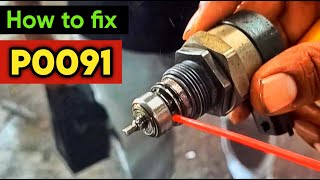
- Repair or replace any damaged wiring or connectors in the fuel pressure regulator circuit
- Replace the electronic fuel pressure regulator if it’s found to be faulty
- Replace the fuel rail pressure sensor if it’s not reading correctly
- In rare cases, reprogram or replace the PCM if it’s determined to be the cause
It’s best to start with the simple stuff-wiring and connectors-before moving on to the more expensive components.


Conclusion
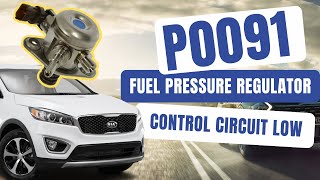
If you’re seeing the P0091 code, what’s really happening is your car’s computer isn’t getting the voltage it expects from the fuel pressure regulator control circuit. That can throw your engine’s smooth operation right out the window-and it can snowball into much bigger, pricier headaches if you let it slide. The smartest move is to start with a sharp-eyed inspection of all wiring and connectors, then go after the regulator and sensor if needed. Get on it quickly, work methodically, and you’ll keep your car running reliably while saving yourself some serious cash down the road.
 5539
5539 5 minutes of reading