
Causes and obd code P0092
From my time under the hood, the usual suspects behind a P0092 code are pretty clear:
- Fuel pressure sensors that have called it quits-they can fail inside and start feeding the PCM bogus voltage signals.
- Electronic fuel pressure regulators with internal problems-if that servo motor shorts out or the wiring inside gives up, you’re looking at this code.
- Wiring or connector issues-broken wires, corroded pins, or even damage from rodents (I can’t tell you how many times I’ve found chewed harnesses on top of engines) are all prime causes for high voltage readings or open circuits.
- PCM gremlins-rare, but sometimes the engine computer itself is the culprit, whether from a glitch or outright failure.
Believe me, wiring and connector issues crop up way more often than most folks think, especially where winters are cold and critters look for a warm spot under your hood.
Symptoms and P0092 trouble code
When you’ve got a P0092 code staring you in the face, there are a few telltale signs to watch for. First up, that check engine light is probably lit-and for good reason. You might also notice:
- Your gas mileage takes a nosedive-the engine’s burning more fuel than it should.
- Hard starts, especially when it’s cold outside-sometimes it’ll crank and crank before firing up.
- Rough idle or outright misfires-if you feel the engine stumbling or shaking, that’s a big clue.
- Black smoke puffing out of the exhaust-when there’s too much fuel, you’ll see rich running show up as dark smoke.
Don’t be shocked if you pull other codes related to fuel pressure or idle control, too. It’s not uncommon for P0092 to bring friends along for the ride.

Diagnosis steps for obd2 code P0092
Let me walk you through how I tackle a P0092 diagnosis, step by step:
- Start with a good, old-fashioned visual inspection. Pop the hood and really look at the wiring and connectors around the fuel pressure regulator and sensor. Damaged wires, loose plugs, corrosion-these are all red flags. I’ve lost count of how many times rodents have turned a harness into their snack bar.
- Next, plug in a scan tool and pull up all codes and freeze-frame data. Jot this info down-you’ll want it handy if you need to backtrack.
- Clear the codes, then take your car for a spin. If the code comes back, you know you’ve got a persistent problem that needs a closer look.
- With the engine off, grab your digital voltmeter. Check for battery voltage and good ground at the fuel pressure regulator connector. No voltage? Time to check those fuses and relays, using your vehicle’s wiring diagram as a roadmap.
- If power and ground check out, it’s time to get a manual fuel pressure gauge on the system (be careful-fuel under pressure isn’t something to mess with). Compare what you see on the gauge to what the scan tool reports. If they don’t line up, your sensor might be lying to you.
- Watch how fuel pressure changes when you ask the regulator to turn on and off with your scan tool. If it doesn’t respond, you’re likely dealing with a bad regulator or a wiring fault.
- Finally, use that voltmeter to check resistance and continuity in the regulator and sensor circuits. Make sure you unplug the PCM and regulator before doing this-otherwise, you can end up chasing false readings or, worse, frying something expensive.
Here’s a pro-tip from the garage: Have someone help you when checking fuel pressure, and always stick to the manufacturer’s safety rules. Fuel leaks are no laughing matter.
Common mistakes when fixing P0092 engine code
A classic mistake I see? Folks skip the visual check and start swapping out expensive parts. Don’t fall into that trap-damaged wires or loose connectors are often the real troublemakers. Another thing I see all the time is trusting the scan tool numbers without comparing them to manual gauge readings. If you don’t check both, you might miss a sneaky sensor failure. And whatever you do, don’t test circuits with the PCM or regulator still plugged in-you can mess up your readings or even damage the components. Oh, and always check those fuses and relays before you start blaming the big-ticket items.

How serious is a P0092 code
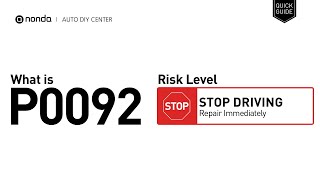
Let me put it straight-this isn’t something you want to ignore. High fuel pressure can spell disaster for your engine. Too much fuel can wash oil off the cylinder walls, damage internal parts, and toast your catalytic converter. You could be looking at a hefty repair bill if you let this slide. Plus, rough running and black smoke aren’t just annoying-they can make your car downright dangerous to drive. If you see this code, get on it fast before things spiral out of control.
How to repair P0092
Based on what I’ve seen over the years, and what the factory manuals lay out, here’s how you knock out a P0092 problem:
- Fix or swap out any damaged wiring or connectors in the fuel pressure regulator circuit.
- If the fuel pressure sensor’s feeding your PCM the wrong info, replace it.
- If the electronic fuel pressure regulator isn’t working or has an internal problem, it’s time for a new one.
- Every now and then, you might have to reflash or swap the PCM if you’ve confirmed it’s at fault, but that’s rare.
After you make the repairs, double-check everything. Make sure the code stays gone and your fuel pressure is right where it should be. In technical circles, you’ll sometimes see this called p0092 or dtc p0092 ford.

Conclusion
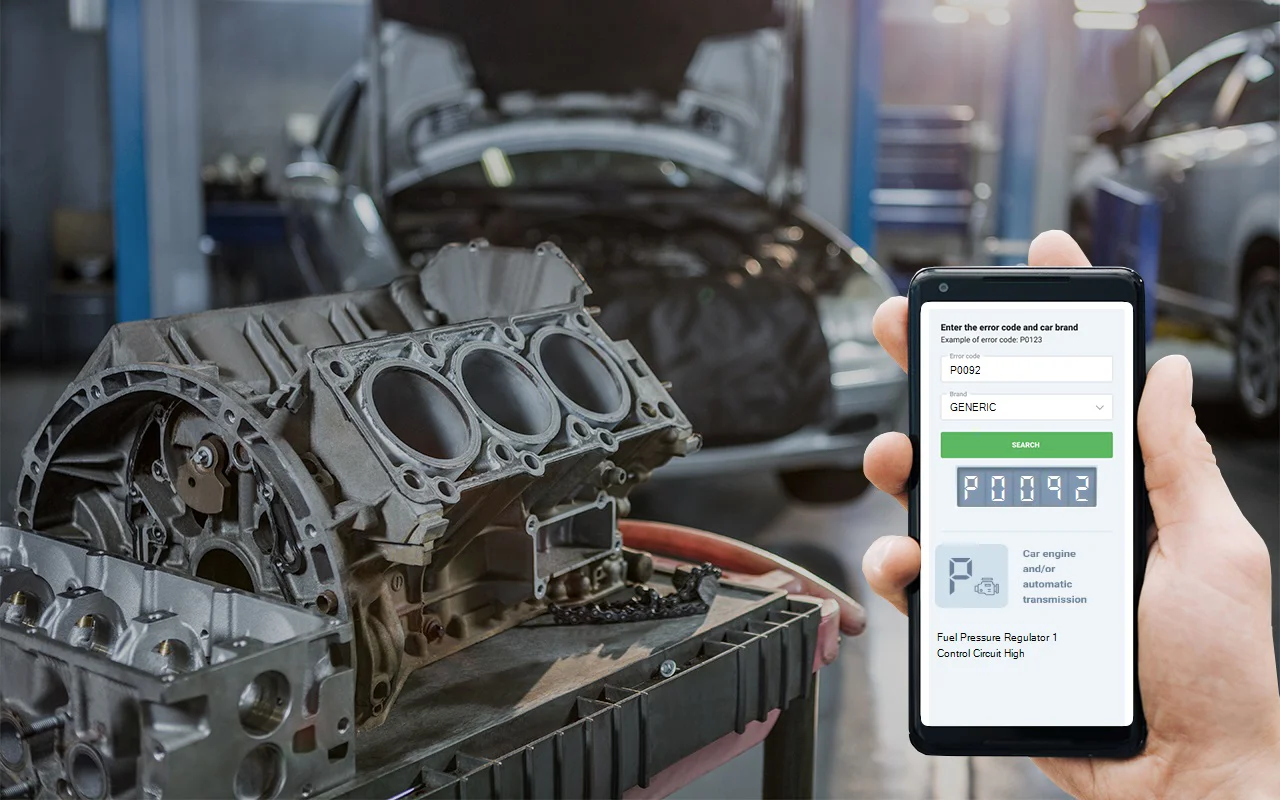
So here’s the bottom line: P0092 means your car’s computer is spotting a high voltage glitch in the fuel pressure regulator circuit. Ignore it, and you’re asking for engine and emissions trouble. The best way I know to fix it? Start with a careful look at your wiring and connectors, then test the sensor and regulator, and only start swapping parts if the tests really call for it. Don’t wait-handle it now, and you’ll save yourself a world of headaches later.
 5647
 6 minutes of reading