
Causes of P00B3 engine code
From experience, the main culprits behind a P00B3 code are usually pretty easy to spot if you know where to look. Here’s what comes up most in my shop:
- A radiator coolant temperature sensor (CTS) that’s just plain worn out-they don’t last forever, especially with all the heat cycles they see.
- Sensors covered in grime, gunk, or corrosion-sometimes it’s just years of debris messing up the readings.
- Leaks at the sensor’s O-ring or gasket-if coolant’s dripping out, air can sneak in and confuse the sensor.
- Wiring harness issues-broken, melted, or brittle wires are common, especially since these harnesses run close to hot engine bits.
- Connector headaches-maybe the plug has corroded, pins are bent, or it’s just not clipped in all the way.
- Every so often, you’ll get a bad ECM or a blown fuse in the sensor’s circuit, but honestly, those are pretty rare compared to the others.
What I’ve found is, most of the time, you’re dealing with a physical problem like a bad sensor or a wiring fault, not a computer issue. Still, it pays to check the whole system.
Symptoms of dtc P00B3
When you’ve got a P00B3 code, your car’s going to let you know something’s off. Here’s what drivers usually tell me:
- Hard starting-especially first thing in the morning or after the car’s cooled off.
- Idle that’s rough or bouncy-the engine might feel like it’s missing or shaking at stoplights.
- Stalling, either right after you fire it up or when you’re slowing to a stop.
- Crummy gas mileage-you’ll probably notice you’re pumping more fuel than usual.
- Black smoke out the tailpipe or a heavy fuel smell-that’s your engine running rich, dumping in more fuel than it should.
- Temperature gauge acting odd or showing readings that just don’t make sense.
- Just a general sense that the engine isn’t performing like it should.
You might not see every single symptom, but even a couple is usually enough to tell you something’s up with the cooling system sensors.

Diagnosis process for P00B3 trouble code
When I’m tracking down a P00B3, here’s the routine I stick to-step by step, no shortcuts:
- Job one: let the engine cool right down before you even think about opening the hood. Hot coolant’s no joke-you don’t want to get burned.
- Double-check your battery and charging system first-if voltage is low, sensors can send weird signals and throw you off the scent.
- Hunt down the radiator coolant temperature sensor. Sometimes it’s right in the radiator, other times it’s on a coolant hose or tucked up along the cylinder head. When in doubt, crack open your owner’s or service manual.
- Give the sensor and connector a close look-are there cracks, green corrosion, coolant leaks, or wires just hanging by a thread?
- Peek around the sensor’s O-ring or gasket for any sign of leaking. Even a tiny drip can mess things up.
- Grab your multimeter and test the resistance across the sensor’s terminals. Compare what you get to the numbers in your service manual for whatever temperature the engine is at. If it’s way out of line, you’ve probably found your problem.
- Trace the wiring harness-look for melted, frayed, or broken wires, especially anywhere they run near exhaust or other hot parts.
- If everything seems fine, pull the sensor and check for debris or buildup. A gentle cleaning might be all it needs.
- Don’t forget to check for Technical Service Bulletins (TSBs) for your make and model; sometimes the manufacturer already knows about this issue and has a fix or a new part number.
Take your time with each step. If you’re not comfortable messing with electrical stuff, don’t be afraid to call in a buddy or a pro for help. Better safe than sorry.
Common Mistakes when fixing P00B3 code
Over the years, I’ve seen a lot of well-meaning folks make the same mistakes with P00B3. Here’s what to watch out for:
- Swapping out the sensor right away, without checking the wiring or connector first-sometimes all you’ve got is a loose plug or a bit of corrosion, not a bad part.
- Not letting the engine cool down before diving in-besides being unsafe, it can throw off your readings or even damage parts.
- Ignoring possible coolant leaks at the sensor-air pockets can make the sensor go haywire.
- Missing out on Technical Service Bulletins that could save you hours of guesswork or point to a known issue.
- Using the wrong coolant when you top up-always match what’s in your manual. The wrong stuff can cause corrosion or even more sensor headaches down the road.
Cutting corners here usually means you’ll be back under the hood sooner rather than later. Take it from me-it pays to do it right the first time.

Seriousness of P00B3
This is one of those codes you don’t want to put off. Sure, your car might not leave you stranded right away, but a bad coolant temperature sensor can make your engine run way too rich or too lean. That means burning extra fuel, spiking emissions, and risking actual engine damage if you let it go. If the engine’s running hotter or colder than it should, you could be looking at blown head gaskets, a fried catalytic converter, or even major engine failure. Bottom line? It’s just not worth rolling the dice. If you notice rough running, stalling, or your car starts smelling like raw fuel, get it checked out pronto.
Repair steps for obd code P00B3
From what I’ve seen in the shop and following OEM guidelines, here’s what usually gets rid of a P00B3 code:
- Swap out the radiator coolant temperature sensor if your tests show it’s out of spec or you spot physical damage.
- Clean up any debris, corrosion, or buildup on the sensor and connector-sometimes a good cleaning is all it takes.
- Fix or replace damaged wiring or connectors in the sensor’s circuit.
- If you see leaks, put in a new sensor O-ring or gasket.
- Top off or flush and refill the coolant, making sure you use the right type for your ride.
- Clear the code with your scan tool and take it for a test drive to make sure it’s fixed.
- If you’re still seeing the code, check for ECM issues or a blown fuse in the sensor circuit. But honestly, that’s rare in my book.
Always start with the basics-visual inspections and cleaning-before you jump into parts replacement. Nine times out of ten, that’s where the problem is.


Conclusion
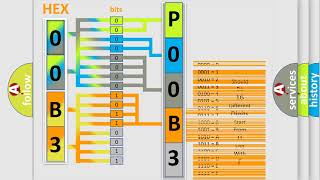
Here’s the bottom line: P00B3 tells you your engine’s computer isn’t getting a proper temp reading from the radiator coolant sensor, and that can throw off how your engine runs-or worse, cause real damage if you ignore it. This isn’t one to let slide. Get in there with some basic checks-look for leaks, damaged wires, or dirty connectors-then test the sensor. Usually, a new sensor or a wiring fix sorts it out. Don’t wait until a small issue turns into a major headache. Tackling it now saves you time, money, and a lot of hassle down the line.

 4549
4549 7 minutes of reading