When you see the p00b4 code pop up, here’s what’s happening behind the scenes. From my time wrenching on all sorts of makes-Mercedes, BMW, Ford, Honda, Chevy, you name it-I’ve learned this code means your engine control module (ECM) is getting an unusually high electrical reading from the radiator coolant temperature sensor circuit. That sensor’s not just a simple part; it’s essential for keeping tabs on your coolant’s temperature as it circulates. The ECM relies on this info to keep engine temps in the sweet spot and to fine-tune the air-fuel mix for smooth running. If the sensor or its wiring start acting up, your ECM can’t trust those readings, and things start to go sideways with how your engine performs. Given how similar modern cooling systems are, I’ve seen this code triggered on everything from daily drivers to luxury rides.
DTC P00B4
 5133
5133 6 minutes of reading
Causes of P00B4 code
From experience, the most common reasons for a p00b4 code are:
- A faulty radiator coolant temperature sensor (CTS)-these can fail with age or exposure to heat and coolant.
- A dirty or clogged sensor-sometimes debris or corrosion builds up and messes with the readings.
- A leaking sensor seal or O-ring-coolant can seep past a bad seal, causing false readings or electrical issues.
- Broken or damaged wiring to the sensor-heat and vibration can crack insulation or melt wires.
- Connector problems-corrosion, bent pins, or a loose connection at the sensor plug.
- Less commonly, a problem with the ECM itself.
Most often, I find it’s either the sensor itself or an issue with the wiring or connector nearby.
Symptoms of P00B4 engine code
When this code pops up, you might notice a few things going wrong. Here’s what drivers usually report:
- Hard starting, especially when the engine is cold.
- Rough or unstable idle.
- Engine stalling out of the blue.
- Poor fuel economy-using more gas than normal.
- Black smoke from the exhaust or a strong fuel smell.
- Temperature gauge acting weird or showing incorrect readings.
- Overall, the engine just doesn’t run as smoothly as it should.
Sometimes, the only clue is the check engine light, but it’s best not to ignore these other signs if you spot them.

Diagnosis steps for P00B4 trouble code
If you’re tracking down a p00b4 code, let me walk you through my go-to process:
- First up-never rush in. Let the engine cool to the touch before you even think about messing with the cooling system. Hot coolant’s not something you want to tangle with.
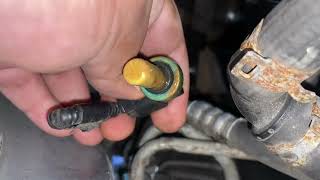
- I always start by eyeballing the radiator coolant temperature sensor itself. Look for any cracks, physical damage, or crusty dried coolant around the sensor or its seal. Even a tiny leak can throw things off.
- The sensor’s location varies-sometimes it’s threaded into the radiator, other times it’s in a hose or right on the cylinder head. Your repair manual will point you in the right direction if you’re not sure where to look.
- After that, unplug the sensor’s connector. Take a close look for greenish corrosion, bent pins, or melted plastic-anything out of the ordinary. If it’s dirty, clean it up before moving on.
- Here’s a pro-tip: grab a multimeter and check the sensor’s resistance across its terminals. Compare what you get to the specs in your manual for the current temperature. If it’s way out of range, odds are the sensor’s toast.
- Don’t forget to trace the wiring back from the sensor. I’ve seen plenty of wires melted on exhaust manifolds or frayed from years of vibration. Patch up anything that looks suspect.
- On some vehicles, the manufacturer might have issued a technical service bulletin (TSB) for this exact problem-always worth checking. Sometimes there’s an easy fix staring you in the face.
- If you’ve ruled out the sensor, connector, and wiring, the last thing I’d suspect is the ECM itself. That’s pretty rare, but not impossible.
Having a buddy around when you’re checking for leaks or swapping sensors can make life a lot easier. And if you need to add coolant, always double-check you’re using the correct type for your engine. That stuff matters.

Common mistakes when diagnosing obd code P00B4
A classic mistake I see is folks throwing a new sensor at the problem without checking the wiring or connector first. That’ll waste your money if the issue’s just a corroded pin or a broken wire. Another thing-don’t get burned. Always let the engine cool before you work on anything in the cooling circuit. I’ve also seen people overlook tiny coolant leaks around the sensor seal, which can lead to all sorts of strange readings. And here’s something many people forget: a weak battery or charging system can mess with sensor signals. Always make sure your electrical system is solid before you start swapping parts.

Seriousness of obd2 code P00B4
Don’t brush this one off. While p00b4 won’t usually leave you stranded right away, ignoring it is asking for trouble. A bad coolant temperature reading can make your engine run too rich or too lean, which can torch your catalytic converter, foul up spark plugs, or even cause overheating. I’ve seen engines rack up expensive damage just because this code was left unchecked. So, it’s not the most urgent emergency, but it’s definitely in the moderate-to-serious camp. If you notice your engine running rough or smell fuel, get on it quick-things can get ugly in a hurry.
Repair solutions for P00B4
When it comes to fixing a p00b4 code, here’s what usually does the trick in my shop:
- If the sensor’s readings are off or it’s physically damaged, swap it out for a new one.
- If you spot corrosion or bent pins in the connector, clean it thoroughly or replace it outright.
- Any wiring that’s melted, frayed, or broken should be repaired or replaced-don’t cut corners here.
- If you see coolant sneaking past the sensor’s seal or O-ring, replace it. Leaks here are trouble.
- If you need to top off or replace coolant, use only what your manual calls for-mixing types can cause bigger headaches down the line.
- Clear the code, then take it for a good test drive to make sure it doesn’t come right back.
In those rare cases where the ECM is at fault, you might be looking at reprogramming or replacement, but honestly, that’s not common in my experience.
Conclusion
So here’s the bottom line: p00b4 means your engine’s flying blind when it comes to coolant temps, and that spells trouble for both performance and fuel economy. Don’t put off dealing with this code. Start with a thorough check of the sensor, wiring, and connector-most of the time, you’ll catch the issue early and save yourself a world of hassle. Quick action keeps your engine healthy and your wallet happy. Trust me, you don’t want to ignore this one.