
Causes of obd2 code P00BF
From what I’ve seen in the shop and what’s in the official manuals, the most common causes for a P00BF code are:
- A dirty or contaminated MAF sensor-this is by far the most frequent culprit. Dust, oil, or even a dirty air filter can gunk up the sensor.
- A faulty MAF sensor-sometimes the sensor itself just fails, especially if it’s old or has been exposed to moisture.
- Air leaks-cracks or loose connections in the intake system can let in unmetered air, throwing off the readings.
- Wiring problems-damaged, shorted, or corroded wires and connectors at the MAF sensor can cause erratic signals.
In some cases, you might also see related codes for misfires or oxygen sensors, so it’s important to look at the whole picture when diagnosing.
Symptoms of obd code P00BF
When this code is active, you’ll probably notice a few things. The check engine light will almost always come on. The engine might run rough or feel like it’s stumbling, especially at idle. You could see black smoke from the tailpipe, which is a sign the engine’s running too rich. Hard starting or the engine stalling right after you start it are also common. Sometimes, you might just feel a general lack of power or hesitation when accelerating. Basically, anything that messes with the air-fuel mix can make your car act up in weird ways.

Diagnosis steps for P00BF
Let me walk you through how I’d tackle a P00BF code in the garage:
- Start by checking for any Technical Service Bulletins (TSBs) that match your ride. Manufacturers sometimes already know about these quirks and have a straightforward solution.
- Give the MAF sensor and its wiring a close visual inspection. Look for cracked insulation, loose plugs, or signs the harness has been rubbing or pinched. Pro tip: Have a buddy gently move the wiring while you watch for any hiccups or changes in the live data.
- Scan the intake tract for leaks-loose clamps or split hoses can let in extra, unmetered air. Always take a peek at the air filter, too. If it’s filthy, don’t bother cleaning-just toss in a new one.
- Zero in on the MAF sensor itself. If you spot any oil, grime, or debris, that’s a red flag. Only use proper MAF cleaner-anything else risks wrecking that delicate element.
- If your intake uses a mesh screen, make sure that’s in good shape and clear.
- After the MAF, check for vacuum leaks. Listen for any hissing or, if you’ve got access, use a smoke machine to root out hidden leaks.
- Plug in a scan tool and watch the live data from the MAF, O2, and MAP sensors. Compare those numbers to what’s typical for your engine at idle and under load. Oddball readings here can point you right to the problem.
- If everything looks good but the code keeps cropping up, dig deeper into the wiring. Test for continuity and a solid ground-high resistance in the ground circuit can throw things for a loop.
- Still stuck? If the sensor keeps coming up suspect, swap it for an OEM replacement. I’ve seen plenty of aftermarket MAFs throw codes or act flaky, even right out of the box.
Common mistakes when fixing P00BF engine code
A classic mistake I see all the time: folks rush to swap out the MAF sensor without checking for simple air leaks or a clogged filter first. Overlooking wiring issues is another trap-just one loose, corroded, or broken wire can trigger this code. I’ve also seen people reach for the wrong cleaner or touch the sensor element directly, which can kill a perfectly good sensor in seconds. And don’t forget to scan for other codes-sometimes the real headache is further up the chain, like a vacuum leak or even a restricted catalytic converter, messing with the MAF readings.

How serious is the P00BF code
This is not a code you want to brush off. Keep driving with a P00BF and you risk running way too rich, which can clog your plugs, toast your catalytic converter, and cause long-term engine damage. Black smoke pouring out the tailpipe isn’t just ugly-it’s a warning sign things could get much worse if you leave it. I’ve seen engines start stalling or dropping power suddenly on the highway because of this. My advice? Don’t put it off.
Repair options for P00BF trouble code
Most times, fixing this isn’t a big ordeal. Here’s what works in my experience:
- Clean the MAF sensor using the right cleaner-this alone solves the problem in a lot of cases.
- Swap out a dirty or clogged air filter.
- Repair or replace any split or loose intake hoses and clamps.
- Fix any damaged wiring or connectors at the MAF.
- If the sensor’s truly shot, go with an OEM replacement for best results.
- Clear the code and take a good test drive to make sure it’s gone for good.

Conclusion
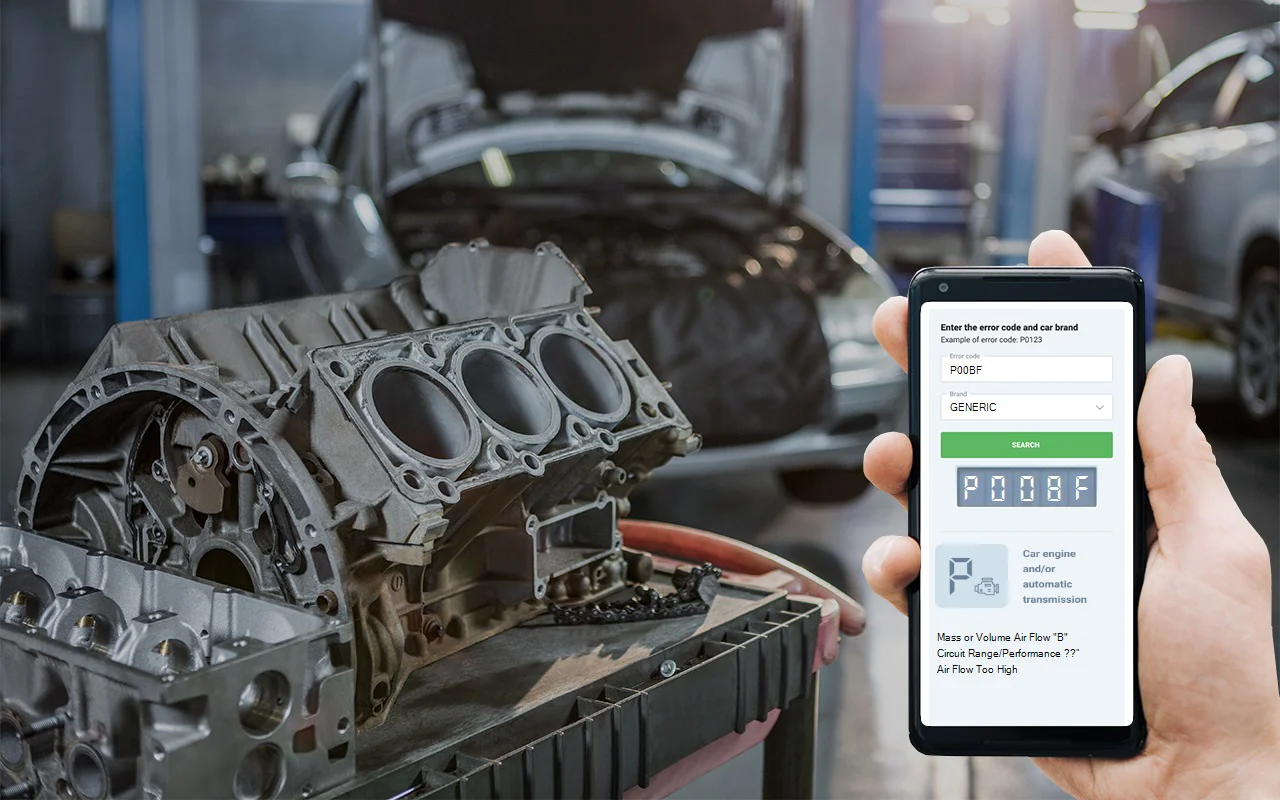
Bottom line? P00BF means your engine computer thinks there’s way too much air coming in-usually because of a dirty MAF, an air leak, or wiring gremlins. Don’t wait around on this. If you handle it now, you’ll avoid bigger headaches (and repair bills) down the road. Always start with the basics: look for leaks, clean the sensor, check the wiring. If that doesn’t cut it, a fresh OEM MAF is often the fix. Take it from someone who’s fixed a lot of these-your engine (and your wallet) will thank you for getting on top of it early.
 5251
 6 minutes of reading