
Causes and dtc P00C7
From what I see in the shop, the most common reasons for a p00c7 code are:
- One or more of the pressure sensors (BARO, MAP, or TCIAP) has failed or is reading incorrectly.
- Wiring issues, like damaged connectors, corroded pins, or broken wires leading to any of those sensors.
- Vacuum leaks or air intake leaks that throw off the pressure readings.
- Sometimes, a faulty ground or power supply to the sensors can cause all three to act up.
- In rare cases, a problem with the engine control module (ECM) itself.
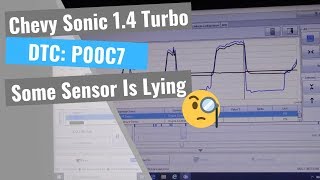
What I’ve often found is it’s usually just one sensor or a wiring issue, but the computer can’t figure out which one’s fibbing, so it lumps them all together with this code.
Symptoms and P00C7
If you’re dealing with a p00c7, you’ll probably notice things like:
- Rough idle or the engine running unevenly, especially right after starting.
- Loss of power or sluggish acceleration.
- Poor fuel economy compared to normal.
- Check engine light on the dash, sometimes with other codes related to air or fuel delivery.
- In some cases, hard starting or even stalling.
Here’s a pro-tip from the garage: these symptoms might come and go at first, but if you ignore them, they won’t just magically fix themselves-things will only get worse over time.

Diagnosis and P00C7 engine code
When I’m tracking down a p00c7 code, here’s my go-to process:
- First off, I clear the code and see if it returns. Sometimes a glitch sets it off, but if it’s back right away, I know it’s time to roll up my sleeves.
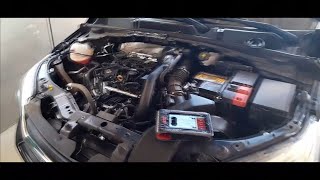
- A visual inspection is next-look over the connectors at the BARO, MAP, and TCIAP sensors for anything loose, corroded, or damaged. Don’t skip the wiring harness; I’ve caught more than a few bad wires just by giving them a wiggle.
- I’ll hook up a scan tool and pull live data from all three sensors, comparing their numbers both with the key on (engine off) and at idle. They should all be in the same ballpark; if one’s way off, that’s a big red flag.
- If the numbers are scattered, I’ll unplug each sensor one at a time to see how the readings change. Swapping in a sensor I know is good can save a lot of guesswork.
- I always check for vacuum leaks in the intake and turbo piping. Spritz some soapy water and look for bubbles-that’s a trick I picked up years ago and it never fails.
- If that all checks out, I move to testing power and ground at each sensor with a multimeter. Bad power or ground can make all three sensors look bad.
- If you’ve got a buddy handy, have them help out-two sets of eyes catch more than one, especially when you’re watching live data and poking around for leaks.
And remember: always double-check the basics before chasing down more complicated issues. It’s usually something simple hiding in plain sight.
Common Mistakes and obd2 code P00C7
A classic mistake I see all the time is folks throwing parts at the problem and replacing all three sensors right off the bat. Nine times out of ten, that’s overkill and just drains your wallet. Another one? Overlooking wiring or missing a sneaky vacuum leak-both can mimic a bad sensor. Here’s my advice: don’t skip comparing live sensor data at both key-on/engine-off and idle. Trust me, it’s easy to get tunnel vision when you see a code, but a careful inspection saves time, money, and headaches down the road.

Seriousness and obd code P00C7
If you’re tempted to ignore this code, don’t. When those pressure sensors aren’t in sync, your engine can sputter, stall, or go into limp mode without warning. Imagine losing power trying to pass on the highway-that’s the kind of risk you’re taking. And if you let those bad readings go unchecked, you could be looking at damage to your turbo, catalytic converter, or even the engine itself. Bottom line? This isn’t a ‘deal with it later’ kind of issue. It can get ugly, fast.
Repair and P00C7 trouble code
When it comes to fixing a p00c7 trouble code, here’s what usually gets cars back on the road:
- Swap out the faulty pressure sensor (BARO, MAP, or TCIAP) once you’ve confirmed which one is acting up.
- Repair or replace any damaged wiring or connectors you find along the way.
- Seal up any vacuum or intake leaks that could be messing with your readings.
- On rare occasions, you might have to repair or replace the ECM if it’s not processing signals right, but that’s the exception, not the rule.
What I always tell folks: start by confirming which sensor is out of range with live data and a solid visual inspection. Guesswork just wastes time-and money.

Conclusion
To wrap it up, p00c7 means your car’s pressure sensors are having a disagreement, and that spells trouble for how your engine performs. Don’t sit on this one-get it checked out sooner rather than later. Your best bet is a thorough diagnosis to find the real culprit, instead of just swapping out parts. Fixing it the right way keeps your ride running strong and saves you from bigger headaches down the line. Trust me, your engine will thank you.
 4167
4167 6 minutes of reading