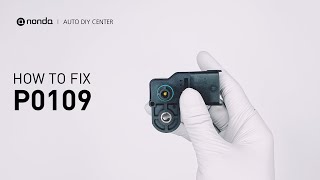
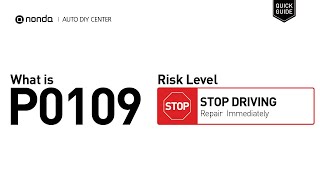
Let me break down what the P0109 code means for you. This code pops up when your car’s computer (the PCM) notices that the readings from the MAP (Manifold Absolute Pressure) sensor or the BARO (Barometric Pressure) sensor are acting up-specifically, the signals are intermittent, meaning they’re cutting in and out or not staying steady like they should. These sensors help the engine figure out how much air is coming in, which is crucial for adjusting fuel and ignition timing. If the readings aren’t reliable, the engine can’t run as smoothly or efficiently. Sometimes, the MAP and BARO sensors are combined into one unit, but the job is the same: keep tabs on air pressure so your car knows how hard it’s working and can adjust things on the fly. When the PCM sees that the sensor signal isn’t within the expected range for a certain amount of time, it flags the P0109 code to let you know something’s off.
DTC P0109
 4480
4480 6 minutes of reading
Causes and dtc P0109 Troubles
From my time under the hood, I can tell you that the P0109 code usually boils down to a handful of tried-and-true trouble spots. Here's what I always suggest looking into first, based on years of chasing down this exact issue:
- A faulty MAP sensor-hands down, this is the top offender I see.
- Wiring headaches, like an open or shorted circuit between the MAP/BARO sensor and the PCM. Frayed wires or hidden breaks cause more chaos than you'd imagine.
- A bum BARO sensor, if your ride uses a separate one. Don't overlook it.
- Connectors that are corroded, loose, or just plain damaged-I've lost count of how many times this simple thing was the root cause. Check 'em closely.
- On rare occasions, the PCM itself decides to throw in the towel, but that's not where I'd start.
Most of the time, you're dealing with a sensor or wiring gremlin, but I've learned to never assume-always check every angle before calling it solved.
Symptoms of P0109 Malfunction
If your car’s throwing a P0109 code, you’ll probably spot a few telltale signs right off the bat. That check engine light? Consider it your first red flag. The engine might stumble or hesitate when you press the gas, or you just don’t get that snap of acceleration you’re used to. Don’t be surprised if your fuel gauge starts dropping faster than usual-poor readings mean your engine’s burning more fuel to compensate. In my experience, these symptoms can creep up gradually, so keep your senses sharp if things feel off behind the wheel.

Diagnosis Steps for obd2 code P0109
When I’m tracking down a P0109, here’s my go-to game plan. Stick to the basics before reaching for anything fancy:
- Start by eyeballing the MAP/BARO sensor connectors. Make sure they’re snug, clean, and not covered in corrosion. If you’re not sure, grab a buddy or your local tech for a second look.
- Next up, check the wiring running from the sensor to the PCM. Look for cracked insulation, pinched spots, or any sign a wire’s been rubbing or chewed. Both ends matter-sometimes the break hides near the PCM, not just at the sensor.
- Now, put the sensor itself to the test. Break out your multimeter and check for the right reference voltage, ground, and signal output. Your service manual is gold here-compare your numbers to what’s listed. Off readings? There’s your clue.
- If everything checks out, clear the code and see if it pops back up. If it does, I’ll often swap in a known-good sensor for a quick confirmation before buying any parts.
- And if you’ve ruled out everything else, start looking at the PCM. Rare, but not impossible-I’ve seen computers go bad a handful of times.
My best advice? Don’t rush. Take your time with each step-it’s easy to miss something small that turns out to be the big fix.
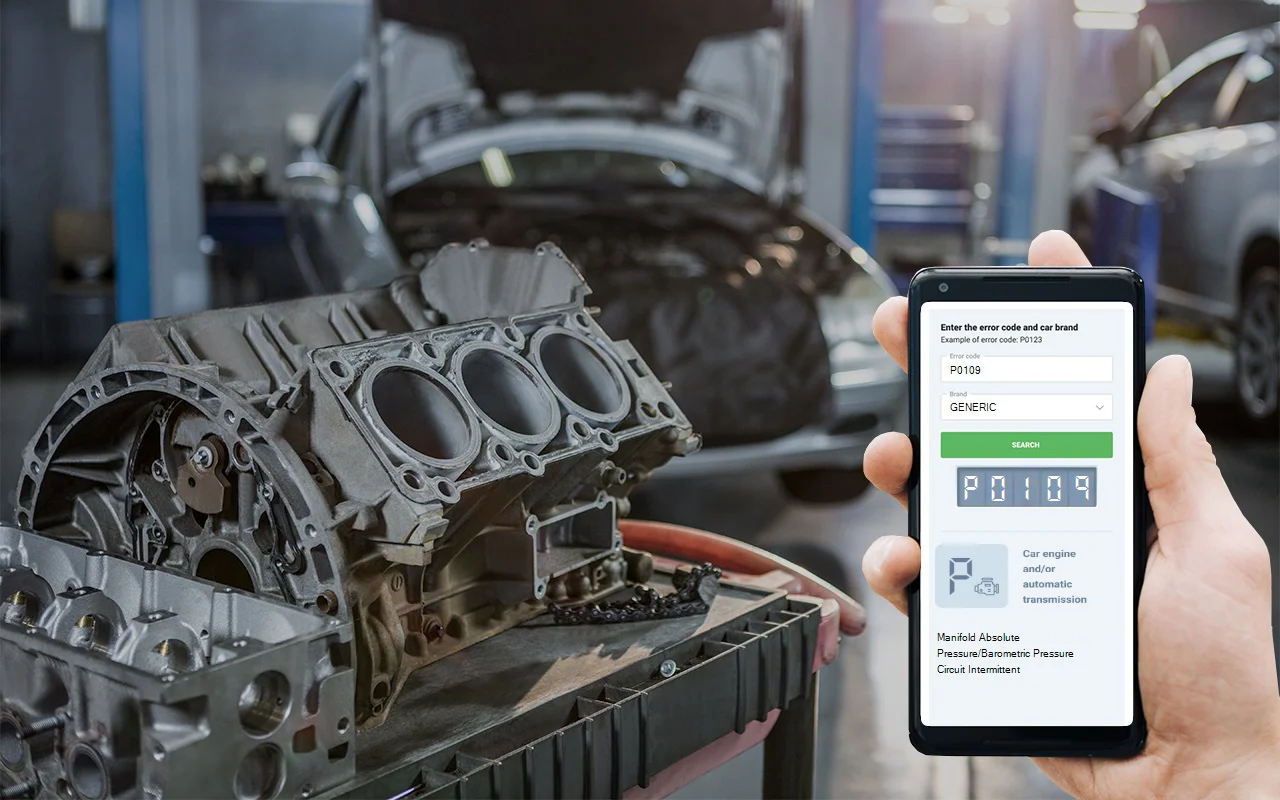
Common Mistakes When Fixing P0109 code
A classic mistake I see is folks jumping straight to swapping out the sensor, skipping right over the wiring and connectors. That’s money down the drain if the real problem is a loose pin or a frayed wire. Another blunder? Ignoring the service manual’s test steps. Every car’s a little different, and winging it can send you chasing your tail. Always start with the basics, double-check every connection, and don’t assume the sensor’s bad until you’ve proven it.

Seriousness of P0109 engine code Issues
In my book, this isn’t a code you want to ignore. When your MAP/BARO sensor circuit is out of whack, your engine can run rough, guzzle fuel, or even stall-a real problem if you’re merging onto the highway or stuck in traffic. It’s not just annoying, it’s unsafe. Let it go too long, and you risk bigger headaches like a fried catalytic converter or fouled spark plugs from a bad fuel mix. Things can spiral fast if you let it slide.
Effective obd code P0109 Repair Solutions
From what I’ve fixed in the garage, here’s what usually gets a P0109 code sorted:
- Swap out the MAP sensor if it doesn’t pass your tests.
- Repair or replace any suspect wiring or dodgy connectors in the MAP/BARO circuit. Even small issues can trip the code.
- If your setup uses a separate BARO sensor, test and replace it if needed-it’s easy to miss.
- Only after everything else checks out, consider replacing the PCM. That’s a last resort, but it does happen.
Here’s a pro-tip from the garage: Always use the parts your vehicle calls for, and double-check the service manual for the right procedures and numbers. Cutting corners here can mean another trip back under the hood.
Conclusion
To wrap it up, the P0109 code means your car’s computer isn’t getting a steady signal from the MAP/BARO sensor circuit. That throws off everything from engine power to fuel efficiency. It’s not a code I’d leave for another day-the risks just aren’t worth it. Stick to the basics: check connectors, inspect wiring, and test the sensor before swapping parts. Follow the tried-and-true diagnostic steps, and you’ll have your car running right again in no time.