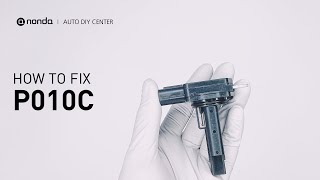
Let me break down what code P010C actually means for your car. This is a pretty universal code that pops up on a lot of different makes-Toyota, Ford, Chevy, Mercedes, you name it. It points to a problem with the Mass Air Flow (MAF) sensor, specifically in what's called 'circuit B.' The MAF sensor sits in the air intake, just after the air filter, and its job is to measure how much air is coming into the engine. Your car’s computer (the PCM) uses this info to figure out how much fuel to inject, so everything runs smoothly and efficiently. When you get a P010C, it means the computer is seeing a signal from the MAF sensor that’s lower than expected-basically, it thinks not enough air is coming in, or the sensor isn’t reporting correctly. Sometimes, this sensor also measures air temperature, which helps the engine adjust for different conditions. If this code is active, the engine might not be getting the right mix of air and fuel, which can lead to all sorts of running issues.
DTC P010C
 5479
5479 6 minutes of reading
Causes Related to OBD Code P010C
From what I’ve seen in the shop and what the official repair info says, here are the most common reasons you’ll see a p010c code pop up:
- The MAF sensor itself is dirty or contaminated-oil, dust, or even a bit of moisture can throw it off.
- The MAF sensor has failed completely and just isn’t sending the right signal.
- There’s an air leak somewhere in the intake system, letting unmetered air sneak in after the sensor.
- The wiring or connectors to the MAF sensor are damaged, loose, or corroded-sometimes it’s as simple as a bad connection.
- Someone installed an aftermarket oiled air filter, and the oil got onto the sensor element.
- Vacuum leaks after the MAF sensor, or issues with the MAP sensor’s ground circuit, can also trigger this code.
In my experience, most often the issue is either a dirty sensor or a small air leak that’s easy to overlook.
Symptoms of DTC P010C
When this code is active, you might notice a few things going wrong with how your car runs. Here’s what drivers usually tell me:
- The check engine light comes on-that’s usually the first clue.
- The engine might run rough, especially at idle or when you’re accelerating.
- You could see black smoke coming from the tailpipe, which means the engine’s running too rich (too much fuel).
- Hard starts or the engine stalling right after you get it running.
- Sometimes, there are no obvious symptoms at all, but the code is still there in the background.
From experience, if you start noticing any of these, especially rough running or smoke, it’s best not to ignore it.

Diagnosis with OBD2 Code P010C
Here’s how I usually go about tracking down a p010c code, step by step:
- First, I check the wiring and connectors at the MAF sensor. Make sure nothing’s loose, broken, or corroded. Sometimes a simple wiggle test can reveal a bad connection.
- Next, I look for any obvious air leaks in the intake system-cracked hoses, loose clamps, or anything that might let unmetered air in after the MAF sensor. It’s better to have someone help you rev the engine while you listen for hissing sounds.
- I always take a close look at the MAF sensor itself. If it looks dirty-covered in dust, oil, or grime-I’ll clean it with a proper MAF sensor cleaner. Don’t use anything else, or you could damage it.
- If the air filter is dirty or clogged, I recommend replacing it with an OEM filter. Avoid those oiled aftermarket filters-they cause more trouble than they’re worth.
- On some cars, there’s a mesh screen in the intake that can get dirty, so I make sure that’s clean too.
- Then, I’ll use a scan tool to check the live data from the MAF sensor and compare it to what’s expected for your engine. If the readings are way off, that’s a big clue.
- I also check for any vacuum leaks after the MAF sensor, especially if the problem only shows up at idle or when slowing down.
- Finally, I look up any Technical Service Bulletins (TSBs) for your specific make and model-sometimes there are known issues or updated parts that fix this problem for good.
It’s best to start with the simple stuff-wiring, air leaks, and cleaning-before moving on to more expensive parts.
Common Mistakes When Addressing the P010C Engine Code
Honestly, I’ve seen a lot of folks jump straight to replacing the MAF sensor without checking the basics first. That’s a surefire way to waste money. Another common mistake is ignoring the wiring and connectors-sometimes the problem is just a loose pin or a bit of corrosion. People also forget to check for air leaks or use the wrong type of air filter, which can cause the same symptoms. Skipping the live data check with a scan tool is another big one-without it, you’re just guessing. Don’t forget to check for related codes, like misfire or O2 sensor codes, because they can help point you in the right direction.

Seriousness of the P010C Code
This isn’t something you want to put off. If you ignore a p010c code, you risk running the engine with the wrong air-fuel mix, which can lead to poor performance, higher fuel consumption, and even damage to the catalytic converter or spark plugs. In some cases, the engine could stall at the worst possible moment, which is a serious hazard on the road. Things can go south quickly if you overlook this, so I always recommend getting it checked out as soon as possible.
Repair Options for the P010C Trouble Code
Here’s what usually fixes a p010c code, based on what I see in the field and the official repair info:
- Carefully clean the MAF sensor with a dedicated cleaner-this solves the problem more often than you’d think.
- Replace the air filter with a genuine OEM part if it’s dirty or clogged.
- Repair or replace any damaged wiring or connectors at the MAF sensor.
- Fix any air leaks in the intake system-replace cracked hoses or tighten loose clamps.
- If the sensor itself is faulty, replace it with an OEM unit. Avoid cheap aftermarket sensors-they often don’t work right.
- Address any vacuum leaks or MAP sensor ground issues if those are found during diagnosis.
In cases where an oiled air filter caused the problem, I recommend switching back to a standard dry filter and cleaning the sensor thoroughly.
Conclusion
To sum it up, code P010C means your car’s not getting the right info about how much air is entering the engine, usually due to a dirty or faulty MAF sensor, an air leak, or a wiring issue. This can cause rough running, poor fuel economy, and even damage if left unchecked. Don’t put this off-start with the simple checks like cleaning the sensor and inspecting the wiring, and work your way up from there. The most reliable fix is to address the root cause, whether that’s cleaning, repairing, or replacing parts with quality OEM components. Acting quickly keeps your engine healthy and keeps you safe on the road.