
Main Causes of obd code P010D
From experience, the most common reasons I see for a P010D code are:
- A dirty or contaminated MAF sensor-this is by far the most frequent culprit, especially if you use an oiled air filter or drive in dusty conditions.
- A faulty MAF sensor itself-sometimes the sensor just fails over time.
- Air leaks in the intake system-cracks or loose hoses after the MAF sensor can let in unmetered air.
- Wiring problems-damaged, corroded, or loose connections at the MAF sensor plug can cause erratic readings.
- Issues with the ground or power supply to the sensor-high resistance or poor connections can throw off the signal.
- Sometimes, a clogged or dirty air filter can also contribute, especially if it’s letting debris through to the sensor.
It’s also worth noting that if you have other codes, like misfire or O2 sensor codes, they might be related, since all these systems work together.
Common Symptoms of dtc P010D
When this code is active, you’ll probably notice a few things. Most drivers report the check engine light coming on first. You might also feel the engine running rough, especially at idle. Sometimes there’s hesitation or stumbling when you try to accelerate. In more severe cases, you could see black smoke coming from the tailpipe, have trouble starting the engine, or even experience stalling right after startup. Occasionally, there aren’t any obvious symptoms, but honestly, it’s risky to ignore the warning light.

How to Diagnose obd2 code P010D
Let me walk you through how I tackle a P010D code, step by step, just like I would in my own shop:
- First thing-pop the hood and give the MAF sensor wiring a good look. I’ve caught a surprising number of problems just by spotting a chewed, frayed, or barely-connected wire. Don’t overlook corrosion on pins, either; that’s an easy miss that can wreak havoc.
- Next up, check for air leaks in the intake system. Run your hands along the hoses and clamps between the MAF sensor and the throttle body. Even a tiny crack or loose clamp will let in unmetered air and throw off your readings. If you hear a faint hissing, there’s your clue.
- Now, focus on the MAF sensor itself. If there’s visible dirt, oil, or even just a film of dust, that’s enough to mess with the signal. Grab a can of MAF sensor cleaner and gently spray it down-never scrub or touch the wires, they’re fragile and expensive to replace.
- Take a look at the air filter. If it’s caked with dirt or falling apart, swap it for a genuine OEM filter. Those oiled filters? I steer clear-seen too many MAF sensors ruined by oil residue.
- If everything’s looking good visually, it’s time to hook up a scan tool and check live MAF readings. Compare those numbers to the specs for your engine. If the readings are way out of line, even after cleaning, odds are the sensor itself is on its way out.
- Don’t forget to check for vacuum leaks past the MAF sensor. If your idle’s rough or the engine stalls, this could be the missing piece.
- One more thing: always check for Technical Service Bulletins (TSBs) related to your make and model. Sometimes the manufacturer’s already flagged a common issue with a fix, and that can save you a ton of time.
Having someone help out-maybe keeping an eye on the scanner while you poke around-can make this process a lot smoother.
Avoiding Common Mistakes with P010D code
A classic mistake I see all the time? Folks rushing to swap out the MAF sensor before checking the basics. Nine times out of ten, it’s just dirty or there’s a leak somewhere. Another thing-using those aftermarket oiled air filters. They sound fancy, but I’ve found they’re troublemakers for MAF sensors. Skipping the wiring check is another big misstep; a loose or crusty connector can act just like a bad sensor. And here’s a pro-tip: once you’ve made a repair, always clear the code and go for a test drive. Otherwise, you might think the fix didn’t work when the code’s just stuck in memory.

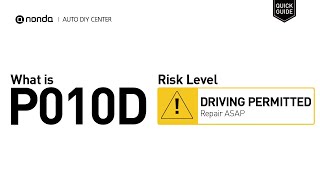
How Serious is a P010D engine code
Let me be straight with you-this is not something you want to ignore. If the MAF sensor’s out of whack, your engine could end up running way too rich or too lean. That spells trouble: wasted fuel, rough running, and even potential damage to pricey parts like the catalytic converter or O2 sensors. Worst-case scenario? You’re left stranded when the engine stalls or refuses to start. Trust me, I’ve seen simple neglect lead to massive repair bills. Don’t let it get that far.
Repair Solutions for a P010D trouble code
Based on what I’ve seen time and again, here’s what usually gets P010D sorted out:
- Give the MAF sensor a proper cleaning with the right cleaner. You'd be surprised how many times this alone sorts everything out.
- Replace the air filter if it’s dirty, falling apart, or looks like it’s let debris through. Always go for an OEM-quality filter.
- Fix any busted wires or sketchy connectors at the MAF plug. Solder, don’t just twist and tape-it pays off long-term.
- Seal or replace any intake or vacuum leaks you find after the MAF sensor. Even the tiniest leak can make a world of difference.
- If you’ve cleaned and checked everything but the problem keeps coming back, swap in a new OEM MAF sensor. Cheap knock-offs just don’t hold up in my experience.
- Don’t ignore related codes, like O2 sensor or misfire codes-they could be feeding into the same issue and need attention, too.
Stick to quality parts and always follow the factory procedures. That’s how you keep comebacks out of your bay.

Conclusion
Bottom line? A P010D code means your engine computer isn’t liking what it’s seeing from the MAF sensor, and that can set off a whole chain reaction of issues. This is one of those problems that can go from minor annoyance to major headache if you wait too long. I always tell folks-start simple. Clean the sensor, check for leaks, inspect the wiring. If you tackle it early, you’ll save yourself a lot of frustration and expense down the road. Take care of it, and your engine will thank you with smooth running and solid reliability.

 5336
 7 minutes of reading