
Causes of P010E engine code
From experience, the most common reasons I see for a P010E code are:
- A dirty or contaminated MAF sensor-this is the big one, especially if you’ve got an oiled air filter or drive in dusty conditions.
- A faulty MAF sensor itself-sometimes they just fail with age or due to contamination.
- Air leaks-cracks or loose clamps in the intake system after the MAF sensor can let in unmetered air.
- Wiring or connector issues-broken, frayed, shorted, or corroded wires and bad connections at the MAF sensor plug.
It’s also possible for related codes to show up, like misfire or oxygen sensor codes, so it’s important to look at the big picture when diagnosing.
Symptoms of dtc P010E
When this code is active, here’s what you might notice:
- The check engine light will almost always be on.
- The engine might run rough or hesitate, especially when accelerating.
- You could see black smoke from the tailpipe-this means the engine is running rich.
- Hard starting or even stalling after you get it running.
- Sometimes, you might not notice any symptoms at all, but the code is still there waiting to cause trouble.

Diagnosis steps for obd2 code P010E
Let me walk you through how I’d hunt down a P010E code in my own shop. First off, I always take a close look at the wiring and connectors right at the MAF sensor. You’d be surprised how often a split wire, corroded terminal, or loose plug is the culprit. Tug gently on the wires, look for green corrosion, and make sure nothing’s rubbing against anything hot or sharp. Don’t overlook the harness routing, either-sometimes it gets pinched during a previous repair.
Once I’m sure the wiring looks good, I move on to checking the intake system for air leaks downstream of the MAF. A cracked intake boot, loose clamp, or a hose that’s not seated right can let in air that the sensor never sees, throwing off your readings and confusing the PCM. A trick I use: have someone rev the engine while you listen and feel around those connections. A hissing sound or a draft is a dead giveaway.
After that, I pull the MAF sensor and take a good look at it. If you see dust, oily residue, or even a sticky film, especially if you’re running an oiled aftermarket filter, that’s likely your issue. I can’t stress enough: always use proper MAF sensor cleaner, and never touch the sensing element. Let it dry thoroughly before you stick it back in.
If your setup includes an intake screen (think Volkswagen and a few others), make sure that’s clear too. While I’m at it, I’ll swap in a fresh OEM air filter if the old one looks clogged or dirty-cheap insurance.
Next, I grab my scan tool and look at the live data. Comparing the MAF readings to what’s typical for your engine at idle and under load helps pinpoint if the sensor’s way out of whack. Cross-reference with O2 sensor data while you’re in there. Also, always check for any Technical Service Bulletins (TSBs) tied to your make and model-a lot of headaches are solved by a quick TSB check.
Bottom line: if everything else checks out and the sensor’s still giving you grief, don’t cheap out with a knockoff. Use an OEM replacement. Aftermarket MAF sensors are notorious for causing more problems than they fix.
Common mistakes when fixing P010E trouble code
Over the years, I’ve watched plenty of folks trip up on these same issues:
- Jumping straight to replacing the MAF sensor without checking for simple stuff like air leaks or a filthy air filter first. Don’t throw parts at the car-start with the basics.
- Going with a one-size-fits-all or bargain aftermarket MAF sensor. More times than not, these just don’t measure up to OEM specs, and you’re back where you started with fresh codes or worse drivability.
- Using the wrong spray or scrubbing the sensor element-trust me, one slip and the sensor’s toast.
- Missing hidden wiring faults. A single broken or shorted wire can mimic a bad sensor every time.
- Ignoring companion codes. If there’s an oxygen sensor or misfire code along for the ride, don’t overlook it; sometimes the real problem is bigger than just the MAF.

Seriousness of P010E
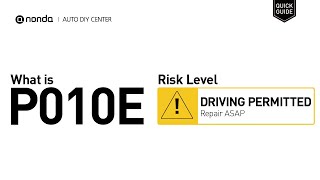
Take it from someone who’s seen engines ruined by neglect-a P010E code isn’t something you want to brush off. Letting this go can wreck your fuel mileage, make your engine stumble or stall, and worst of all, run rich enough to fry your catalytic converter and oxygen sensors. Those parts aren’t cheap, and once they’re damaged, the repair bill jumps up fast. You might end up stuck on the side of the road, or worse, shelling out for repairs that could have been avoided if you’d tackled the code right away.
Repair solutions for obd code P010E
Based on what I’ve fixed in the shop, here’s what usually gets a P010E sorted out for good:
- A thorough cleaning of the MAF sensor with the right cleaner-don’t underestimate how much gunk and oil can throw things off.
- Swapping out a dirty or clogged air filter for a new OEM one. The right filter keeps contaminants out and airflow readings correct.
- Fixing up any damaged wires or crusty connectors at the sensor plug. Sometimes it’s just a corroded pin causing all the fuss.
- Hunting down and sealing any intake leaks-tighten those clamps, replace cracked hoses, and make sure every joint is snug.
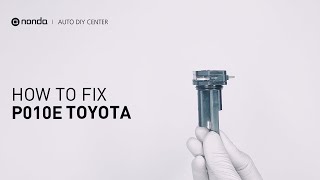
- If the sensor checks out as bad, stick with OEM for the replacement. Aftermarket parts are a gamble you just don’t need.
One last piece of advice: if you’re using an oiled air filter and keep running into MAF sensor issues, go back to a standard paper filter. I’ve seen that simple change save people a lot of grief.

Conclusion
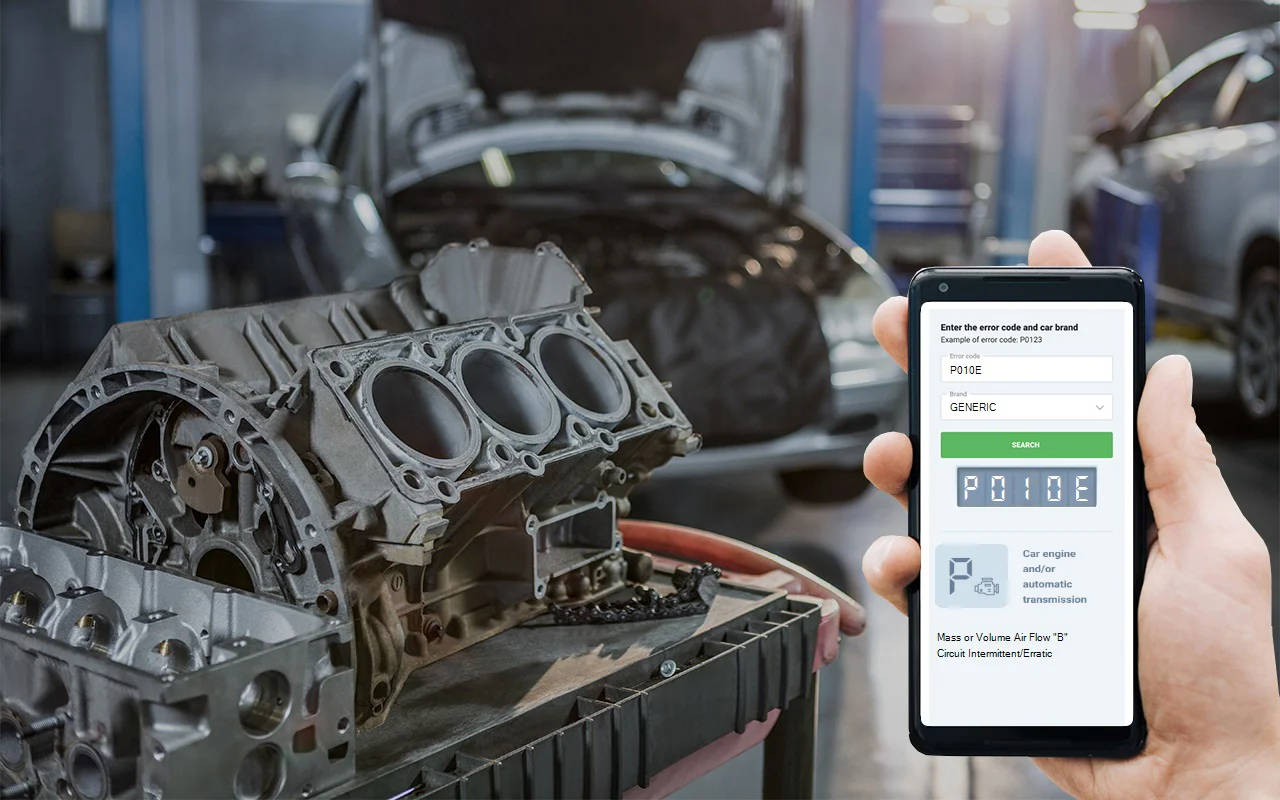
Here’s what it boils down to-when you see P010E, your ECM’s not happy with what it’s hearing from the MAF sensor’s "B" circuit. Ignore it, and you could be looking at all sorts of headaches: rough idle, lousy gas mileage, and repairs that hit your wallet hard. In my own work, I always tell folks to chase down the simple stuff first: air leaks, dirty sensors or filters, and wiring problems. Don’t put it off, because these things snowball fast. Tackle intake leaks, clean or swap the MAF with a real OEM part, and make sure your air filter’s clean and correct. That’s how you keep your ride running smooth and avoid those costly breakdowns later on.
 4708
 7 minutes of reading