
Causes of obd code P0119
From my time under the hood, the usual suspects behind a p0119 code are pretty clear, though a few curveballs can show up. Here’s what I see most often:
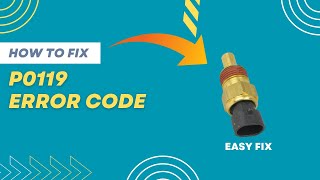
- A worn-out or failing engine coolant temperature sensor-these don’t last forever.
- Trouble with the wiring, like a frayed wire, corroded connector, or one that’s just hanging on by a thread. Sometimes it’s as simple as a crusty connector causing chaos.
- A thermostat that won’t budge-either stuck open or jammed shut. That’ll mess with coolant flow and what the sensor sees.
- Low coolant level. If your system’s running dry, the sensor’s not going to get an accurate read.
- Engine overheating, which throws everything out of whack for the sensor.
- Pockets of air moving around in the cooling system, leading to bogus readings.
If you ask me, most of the time it’s one of the first three. But I always run through each possibility-missing something simple can cost you.
Symptoms of P0119 trouble code
When dtc p0119 is active, you’ll usually notice a few things aren’t right. First up, that check engine light-it’s hard to miss. Beyond that, keep an eye out for:
- Rough idle. Your engine might feel like it’s stumbling or vibrating when you’re stopped.
- Hesitation or stuttering when you hit the gas, especially if the engine’s still cold.
- A thick, rich exhaust smell-often strongest just after starting up.
- The cooling fan running non-stop, or not kicking on at all. Both are signs something’s off.
- Possible overheating, and that’s no joke. It can get expensive fast.
- Crummy fuel economy at times.
Sometimes, the only tip-off is the warning light. Even then, don’t let it slide-catching it early saves you trouble later.

Diagnosis steps for P0119
When I’m tracking down a dtc p0119, here’s my go-to process:
- Start simple: check the coolant level. You’d be surprised how often it’s overlooked. Never open the cap on a hot engine-burns aren’t worth it.
- Next, give the wiring and connectors at the coolant temperature sensor a good look. Broken wires, corrosion, or a connector barely hanging on can all cause trouble. Sometimes just jiggling the connector reveals an intermittent fault.
- Fire up a scan tool to check the sensor’s live data. I want to see temperature numbers that actually make sense. If the readings jump all over or don’t match what the engine feels like, that’s a clue.
- If readings look sketchy, I’ll grab my multimeter and check the sensor’s resistance against the specs in the service manual. If it’s outside the range, it’s probably toast.
- Don’t forget to check for air in the cooling system. Sometimes, bleeding the system is all it takes to fix off-the-wall readings.
- If everything else seems fine, I’ll test the thermostat. A quick way is to feel the radiator hoses as the engine warms up-if the thermostat opens late or not at all, you’ve found another problem.
Stick to the basics first. Cutting corners usually means missing something obvious. Double-checking as you go pays off in the long run.
Common mistakes with P0119 code
A classic mistake I see is folks swapping out the coolant temperature sensor right away without checking things like wiring or coolant level. That’ll waste your money every time. Skipping the step of bleeding the cooling system after adding coolant is another one-air pockets can mimic sensor problems. Plenty of people also overlook connectors, thinking they’re fine, and miss a quick fix. My advice: slow down and tackle the basics before reaching for replacement parts.

Seriousness of obd2 code P0119
Don’t take this lightly. If your car’s computer can’t trust the coolant temperature readings, it’s flying blind-fuel mixture, ignition timing, and cooling all get thrown off. That means you’re risking rough running, wasted fuel, or worst of all, engine overheating. Overheating can snowball into blown head gaskets, warped heads, or even a seized engine if you let it go. I’ve seen engines ruined because someone ignored this code. My advice: get on it fast before you’re looking at a major repair bill.
Repair solutions for P0119 engine code
Here’s what usually gets the job done:
- Swap out a bad coolant temperature sensor for a fresh, OEM-quality one.
- Fix or replace any sketchy wires or connectors in the sensor’s circuit.
- Top off the coolant and bleed the system to kick out any air pockets.
- Replace a thermostat that’s stuck or not working right.
- If you’re dealing with overheating, dig deeper into the cooling system-sometimes there’s a bigger issue lurking.
My routine? Start with the easy stuff like coolant level and wiring. Only move to parts replacement when you’re sure you’ve found the problem. You’ll save yourself time, cash, and a lot of headaches.



Conclusion
Bottom line-P0119 means your engine’s computer is confused by the coolant temperature sensor’s signals, and that can throw a wrench into a bunch of critical systems. Ignore it, and you’re asking for rough running, lousy fuel mileage, or even major engine grief down the line. The smart play is to stick to the basics: check coolant, inspect wiring and connectors, and put the sensor to the test. Catch it early, fix it quick, and you’ll keep your car-and your wallet-out of trouble. Take it from me: don’t wait on this one. Your engine’s health depends on it.
 4154
4154 6 minutes of reading