
Causes for P011B engine code
From what I’ve seen in the shop and what the official repair info tells us, the most common reasons for this issue are:
- A faulty ECT or IAT sensor-these little guys can wear out or fail over time.
- Broken, damaged, or corroded wiring or connectors for either sensor-sometimes a wire gets pinched, or a connector gets loose after some work under the hood.
- Low engine coolant-if your coolant is low, the sensor can’t read properly.
- A bad thermostat-if it’s stuck open or closed, the temperature readings get weird.
- A failing water pump-if it’s not circulating coolant, the engine temperature will be off.
- Air pockets in the cooling system-this can happen after a coolant change or leak.
- Rarely, a problem with the car’s computer (PCM) or its programming.
Most often the issue is with the sensors themselves or their wiring, but I’ve seen a few cases where a simple coolant top-up or bleeding the system solved it.
Symptoms of P011B
When this code is active, here’s what you might notice behind the wheel:
- The check engine light is on-sometimes it takes a few drives for it to show up.
- The engine might run rough, especially right after you start it cold.
- You could see a drop in fuel economy-more trips to the gas station than usual.
- The engine might feel sluggish or less powerful.
- Sometimes you’ll notice the exhaust smells richer or leaner than normal.
- Other temperature-related codes might show up as well.
From experience, if you’re noticing any of these, it’s best not to ignore them. Things can go south quickly if overlooked.

Diagnosis steps for dtc P011B
Here’s how I usually tackle this diagnostic trouble code, step by step:
- First, I always check the coolant level-make sure it’s topped up with the right type. Low coolant can throw off the sensors.
- Next, I run the engine and watch for leaks, check that the thermostat opens and closes properly, and make sure the water pump is circulating coolant. If you just had coolant work done, make sure there are no air pockets trapped in the system.
- Once the basics are good, I visually inspect the wiring and connectors for both the ECT and IAT sensors. Look for any loose plugs, corrosion, or damaged wires. It’s better to have someone wiggle the harness while you watch the sensors’ readings on a scan tool.
- Then, I hook up a scan tool to pull the trouble codes and freeze frame data. This tells me exactly when and how the problem happened.
- After clearing the codes, I take the car for a test drive to see if the code comes back. If it does, I use a digital volt/ohm meter to check the sensors themselves-comparing their readings to the manufacturer’s specs.
- If the sensors and wiring check out, I’ll test the circuits individually. Sometimes, the issue is hiding in the wiring between the sensor and the computer.
- Only if everything else checks out do I start thinking about a problem with the PCM itself, but that’s pretty rare.
Don’t forget to disconnect the battery or relevant modules before doing resistance tests, and always be careful around hot or pressurized coolant.
Common Mistakes with obd code P011B
Honestly, I’ve seen a few common slip-ups when folks try to fix this themselves or even in some shops:
- Jumping straight to replacing sensors without checking the wiring or coolant level first. That’s a surefire way to waste money.
- Forgetting to bleed the cooling system after topping up coolant-air pockets can cause all sorts of weird readings.
- Missing a loose or unplugged IAT sensor after an air filter change. It happens more than you’d think!
- Not checking for related technical service bulletins (TSBs) that might point to a known issue or updated repair procedure.
I recommend starting with the basics before swapping out parts.

Seriousness of P011B code
This isn’t something you want to put off. When this fault is active, your engine might not be getting the right information to run safely. That can lead to poor fuel economy, rough running, and in some cases, overheating or engine damage. If left unchecked, you could end up with a blown head gasket, warped cylinder head, or even a damaged catalytic converter. The risks just aren’t worth it-this is a serious hazard if ignored.
Repair steps for P011B trouble code
Here’s what I personally recommend for fixing this issue, based on what works in the field:
- Top off the engine coolant and bleed the system to remove any air pockets.
- Repair or replace any damaged wiring or connectors for the ECT and IAT sensors.
- Replace the ECT or IAT sensor if it’s out of spec or not responding properly.
- Replace a faulty thermostat or water pump if they’re not working right.
- If all else fails and the wiring and sensors are good, check for PCM updates or reprogramming, and replace the PCM only as a last resort.
It’s best to start with something simple-sometimes just plugging in a loose connector or topping up coolant does the trick.

Conclusion
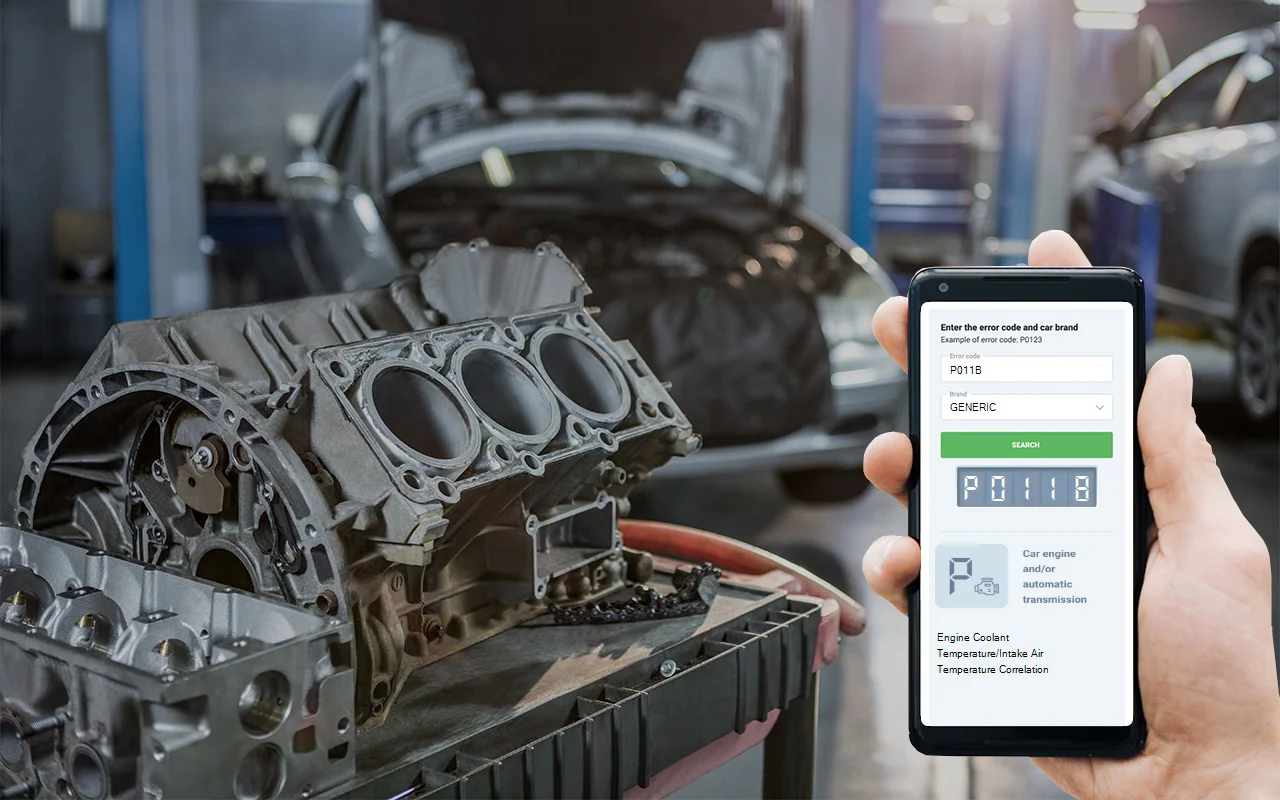
To sum it up, the P011B code means your car’s computer is seeing a mismatch between the engine coolant and intake air temperature sensors. This can cause rough running, poor fuel economy, and even engine damage if ignored. I always recommend starting with the basics-check coolant, wiring, and sensors-before moving on to bigger repairs. Don’t put this off for later; the risks are too high. Most of the time, a careful step-by-step approach will get you back on the road safely and reliably.
 4180
4180 6 minutes of reading