
Causes and obd2 code P011D troubleshooting
From what I’ve seen in the shop, there are a handful of usual suspects when it comes to P011D. Most often the issue is one of the sensors itself going bad-either the CAT or the IAT. But I’ve also run into cases where the wiring or connectors for these sensors are damaged, corroded, or even just not plugged in all the way. Sometimes, a clogged or restricted intercooler can mess with the air flow and throw off the readings. And every now and then, it’s a software glitch or a rare PCM (the car’s computer) problem. Here’s what I typically find:
- Faulty charge air temperature (CAT) sensor or intake air temperature (IAT) sensor
- Broken, shorted, or loose wiring/connectors for CAT or IAT sensors
- Intercooler that’s blocked or restricted
- PCM programming errors or rare PCM failure
Symptoms and P011D warning signs
If you’re driving around with a P011D code, you’ll probably notice a few things aren’t quite right. Most drivers tell me their car feels sluggish, like it just doesn’t have the power it used to. Sometimes the engine runs rough, or you might even smell fuel from the exhaust if it’s running too rich or too lean. Cold starts can be harder than usual, and you’ll likely see your fuel mileage take a hit. Here’s what you might notice:
- Reduced engine performance or sluggish acceleration
- Poor fuel economy
- Rough running or hesitation, especially on cold starts
- Check engine light is on
- Unusual exhaust smell (rich or lean mixture)

Diagnosis steps for dtc P011D issues
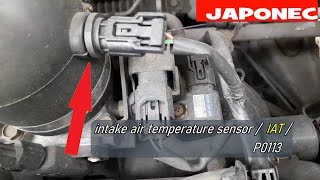
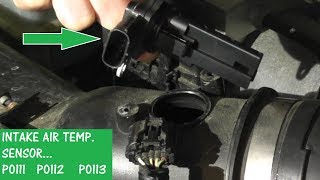
Here’s how I usually go about tracking down a P011D code. First, I always start simple: pop the hood and check the air intake system. Make sure the intercooler isn’t blocked and the air filter is clean. Then, I look over all the wiring and connectors for the CAT and IAT sensors-sometimes a loose plug or a pinched wire is all it takes to set this code. Next, I hook up a scan tool to pull any stored codes and freeze frame data, which tells me exactly what was happening when the code set. After clearing the codes, I’ll take the car for a test drive to see if the code comes back. If it does, I use a digital voltmeter to check the resistance of both sensors (with them unplugged) and compare the readings to the manufacturer’s specs. If either sensor is out of range, I replace it. If both sensors check out, I’ll test for proper voltage and ground at their connectors, and then check the signal wires all the way back to the PCM. If everything else looks good, I start to suspect a PCM issue or a software update might be needed. Don’t forget-sometimes the IAT sensor gets left unplugged after an air filter change, so double-check those connections before moving on.
Common mistakes when fixing obd code P011D
One thing I see a lot is folks jumping straight to replacing sensors without checking the wiring or connectors first. That’s a surefire way to waste money and time. Another common slip-up is not checking for a blocked intercooler or a dirty air filter, both of which can cause this code. And sometimes, people overlook the freeze frame data, which can really help pinpoint when and how the problem started. Always make sure to check the basics before diving into more expensive repairs.

Seriousness of the P011D trouble code
Honestly, this isn’t a code you want to ignore. When the computer can’t trust the air temperature readings, it can throw off the whole fuel and ignition system. That means your engine could run too rich or too lean, which can damage the catalytic converter, foul spark plugs, or even cause engine knocking. You don’t want this kind of trouble on the road-things can go south quickly if overlooked. Plus, you’ll be burning more fuel and risking bigger repairs down the line. Don’t put this off for later; it’s a serious hazard for your engine’s health and your wallet.
Repair options for the P011D engine code
Once I’ve nailed down the cause, here’s what usually fixes a P011D code:
- Replace the faulty CAT or IAT sensor if it’s out of spec
- Repair or replace any damaged wiring or connectors
- Clean or replace a clogged intercooler or air filter
- Update or reprogram the PCM if there’s a known software issue
- In rare cases, replace the PCM if it’s confirmed faulty
It’s best to start with the simple stuff-wiring, connectors, and sensors-before moving on to more complex or expensive repairs.


Conclusion
To sum it up, P011D means your engine’s computer is getting conflicting air temperature readings, which can really mess with performance and fuel economy. It’s a high-priority issue that can lead to serious engine and emissions damage if ignored. From experience, the most reliable way to fix it is to start with a thorough inspection of the sensors, wiring, and intercooler, then move on to electrical tests and PCM checks if needed. Don’t wait on this one-getting it diagnosed and repaired quickly is the best way to keep your car running strong and avoid bigger headaches down the road.
 4802
 5 minutes of reading