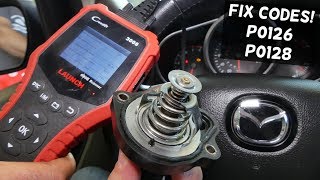
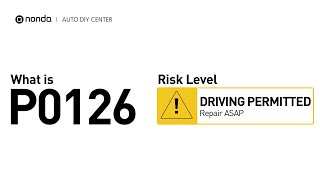
P0126 is one of those codes that pops up when your engine just won't warm up as fast as it should. In my experience, what’s happening here is your car’s computer is timing how quickly the engine reaches its proper operating temp, usually right around 195 to 220 degrees Fahrenheit. If it’s taking too long to get there after a cold start, the system sets this code. Why does that matter? Well, the engine has to be warm for things like fuel efficiency, emissions, and your heater to work right. When it stays too cold, the computer can't trust what the oxygen sensors are telling it, and it’ll switch to a backup setting that burns more fuel and runs rougher. I see this code pretty often on Mazdas, but honestly, it can show up on just about any car out there.
DTC P0126
 5188
5188 5 minutes of reading
Causes of P0126 trouble code
From experience, the most common reason I see for a p0126 code is a thermostat that's stuck open, so the engine never really warms up. But that's not the only thing that can cause it. Here are the usual suspects I check first:
- Faulty engine thermostat (stuck open or opening too soon)
- Bad engine coolant temperature sensor
- Problems with the wiring or connectors to the coolant temperature sensor (like corrosion or a loose plug)
- Low coolant level in the radiator or reservoir
- Issues with the cooling system itself (like a stuck-open coolant control valve, especially on certain Mazdas)
- Defective cooling fan staying on when it shouldn't
- Dirty or wrong type of coolant
- In rare cases, a problem with the car's computer (PCM)
Most often the issue is with the thermostat or the temperature sensor, but I always check the others just to be sure.
Symptoms of P0126 engine code
When this code pops up, here’s what you might notice as a driver:
- The check engine light comes on-sometimes that's the only clue
- The temperature gauge on your dash might stay lower than normal, even after driving for a while
- Your heater might not blow hot air, especially in cold weather
- Sometimes the car feels sluggish or stuck in a 'limp' mode
- You might notice you're using more fuel than usual
- In some cases, there are no obvious symptoms at all-just that warning light staring at you

Diagnosis steps for P0126
Here’s how I usually tackle a dtc p0126 mazda code, step by step:
- First, I check the coolant level-make sure the engine is cool before opening anything. Low coolant can cause all sorts of weird problems.
- Next, I look at the temperature gauge while the engine warms up. If it never gets to the middle or normal range, that's a big clue.
- I use a scan tool to read the actual coolant temperature sensor data. If the sensor says the engine is cold even after 10-15 minutes, I suspect the thermostat or the sensor itself.
- Then, I feel the upper radiator hose after the engine's been running for a while. If it's warm right away, the thermostat might be stuck open.
- I inspect the wiring and connectors to the coolant temperature sensor. Corrosion, loose plugs, or damaged wires can throw off the readings.
- If everything checks out so far, I look for technical service bulletins for your specific vehicle-sometimes there's a known issue, like a faulty coolant control valve on certain Mazdas.
- As a last resort, I check the cooling fan operation and make sure it's not running constantly, which can keep the engine too cool.
It’s best to start with the basics and work your way up. Don’t forget to let the engine cool down before touching anything under the hood-hot coolant is no joke.
Common mistakes when troubleshooting dtc P0126
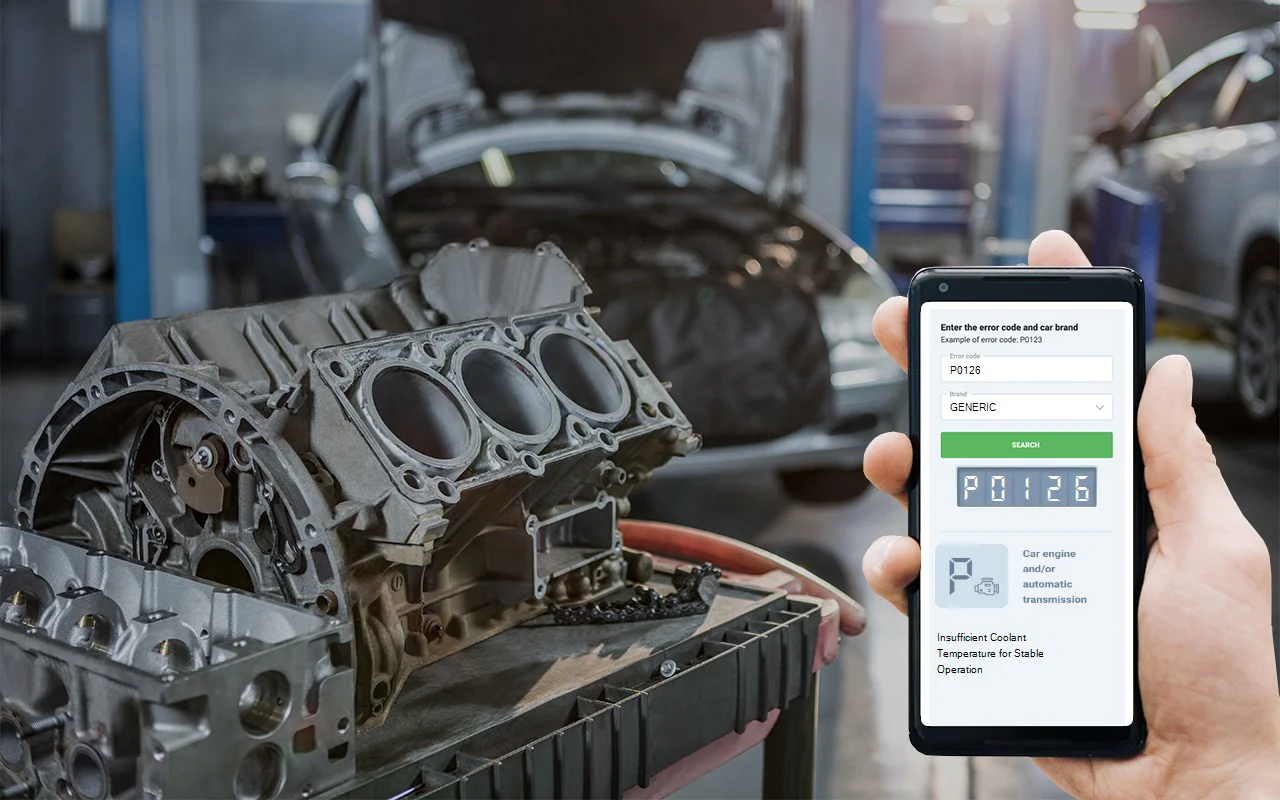
I've seen a lot of folks jump straight to replacing the coolant temperature sensor without checking the thermostat first. In cases like this, it's usually the thermostat that's at fault. Another common mistake is overlooking the wiring-sometimes it's just a loose or corroded connector. People also forget to check the coolant level or use the wrong type of coolant, which can cause all sorts of headaches. Skipping these simple checks can lead to wasted time and money.

Seriousness of obd2 code P0126
This is something you really don't want to ignore. If your engine keeps running too cold, fuel economy will suffer, and you could end up with engine sludge or even long-term mechanical damage. The risks just aren’t worth it-your heater might not work, and emissions will go up. In the worst case, you could damage parts like the catalytic converter or even the engine itself if the problem drags on. Don’t put this off for later; things can go south quickly if overlooked.
Repair steps for obd code P0126
Here’s what I typically do to fix a p0126 code:
- Replace the engine thermostat if it’s stuck open or not working right
- Swap out the engine coolant temperature sensor if it’s giving bad readings
- Repair or clean any damaged wiring or connectors at the sensor
- Top off or replace the coolant if it’s low, dirty, or the wrong type
- On some Mazdas, replace the coolant control valve as recommended by the technical service bulletin
- Make sure the cooling fan isn’t running all the time due to a faulty relay or sensor
After repairs, I always clear the code and take the car for a test drive to make sure the engine warms up properly and the code doesn’t come back.
Conclusion
To sum it up, P0126 means your engine isn’t warming up fast enough, usually because of a thermostat or sensor issue. It’s not something to ignore-running too cold can cause bigger problems down the road. I recommend starting with simple checks like coolant level and thermostat function, then moving on to the sensor and wiring if needed. The most reliable fix is to address the root cause right away, so you can get back to safe, efficient driving without worrying about hidden damage.