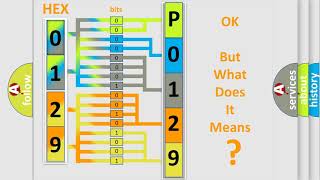
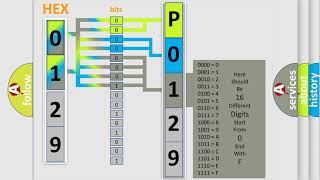
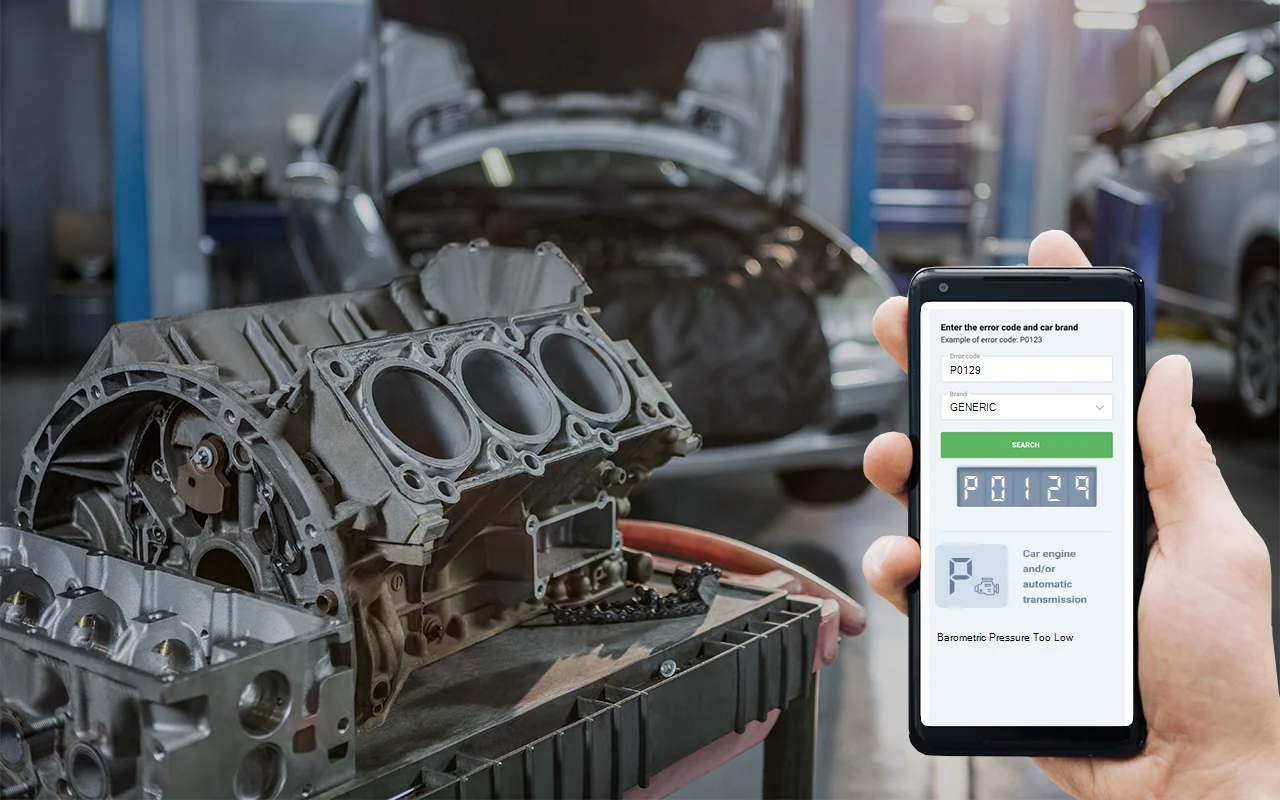
Let me break down what code P0129 means for your vehicle. This code stands for “Barometric Pressure Too Low.” In plain terms, your car’s computer (the PCM) is seeing a pressure reading from either the manifold air pressure (MAP) sensor or the barometric pressure (BARO) sensor that’s lower than what the manufacturer says is normal. These sensors are crucial-they help the engine figure out how much air is coming in, so it can mix the right amount of fuel and adjust ignition timing. Sometimes, the MAP and BARO sensors are combined into one unit, but their job is to keep tabs on air pressure both inside the engine and outside in the atmosphere. If the readings are off, the engine can’t run efficiently, and that’s when you’ll see this code pop up.
DTC P0129
 4452
4452 5 minutes of reading
Causes of dtc P0129
From my time under the hood, I can tell you P0129 usually crops up for a handful of reasons I’ve seen countless times. More often than not, the MAP or BARO sensor is the troublemaker-these sensors can wear out, get gummed up with debris, or just plain fail after years of use. Wiring problems are a classic gremlin too; I’ve lost count of how many times a corroded pin, frayed wire, or loose connector sends a perfectly good sensor’s signal haywire. Don’t overlook vacuum issues, either. A vacuum leak, engine wear, a stubborn misfire, or a plugged catalytic converter can all mess with those sensor readings. Every so often, the PCM itself goes bad, but honestly, that’s rare in my book. Always check the simple stuff first.
- Faulty MAP or BARO sensor
- Wiring or connector issues (loose, corroded, or broken)
- Lack of engine vacuum (due to engine wear, misfire, or clogged catalytic converter)
- Malfunctioning PCM (rare)
Symptoms of P0129 trouble code
When this code’s active, you’ll spot a few telltale signs. The check engine light almost always jumps out at you first. Maybe your engine acts up-running rough or stumbling especially when you step on the gas. I’ve seen plenty of vehicles lose their get-up-and-go, feeling sluggish or just not pulling like they used to. Some folks even notice their fuel mileage dropping off. If any of this sounds familiar, don’t drag your feet-get it checked before it snowballs into bigger problems.

Diagnosis steps for P0129 code
Here’s the game plan I follow whenever I chase down a P0129. First, I pop the hood and get hands-on with the wiring and connectors at the MAP or BARO sensor. Look for anything loose, green with corrosion, or broken-that kind of stuff causes a ton of headaches. Next up, I’ll plug in my scan tool and check what the sensors are telling the computer with the key on and engine off. Pro-tip: The MAP sensor should read close to the outside barometric pressure-if you’re at sea level, it should be right around 14.7 psi. If it’s way off, you’ve found your first clue. I always check engine vacuum next; a vacuum leak or a tired engine will throw off those sensor numbers, too. Don’t skip inspecting vacuum hoses for cracks or splits-they’re cheap to fix and commonly overlooked. If all that checks out, I’ll test the sensor’s voltage output by back-probing the connector. When the sensor doesn’t change output as it should, it’s replacement time. Only after all these steps would I start suspecting the PCM, but that’s a last resort in my experience.
Common mistakes when fixing P0129 engine code
A classic mistake I see is folks throwing a new MAP or BARO sensor at the car before checking the basics. Nine times out of ten, it’s a wiring issue, a vacuum leak, or even a dirty connector causing the problem-not the sensor itself. Skipping a careful inspection of the vacuum lines or ignoring possible engine problems just wastes your money and time. Always start simple before you start swapping parts-that’s a lesson I learned the hard way more than once.

How serious is obd2 code P0129
Let me be straight with you: don’t put this one off. When your PCM isn’t getting the right barometric pressure info, it can mess up your fuel mixture and ignition timing. You’ll get lousy performance, higher emissions, and if you let it ride, you can end up with a plugged catalytic converter or burnt spark plugs. Even worse, engine power loss or hesitation can be a real safety risk, especially if it hits while you’re trying to merge or pass. Take it seriously-waiting just isn’t worth the gamble.
How to repair obd code P0129
Here’s how I tackle repairs for P0129. If the sensor’s shot, replacing the MAP or BARO sensor usually does the trick. Damaged wiring or connectors? Fix or swap them out-simple as that. If you find cracked vacuum hoses or leaking gaskets, replace them right away. Should the catalytic converter be clogged, it’ll need to be cleaned out or replaced. Here’s a tip from the garage: always clear the code and take the car for a road test after repairs to be sure you’ve nailed it. And remember, start with the basics like wiring and vacuum lines before dropping money on new sensors.
Conclusion
So, bottom line: P0129 means your PCM is seeing a barometric pressure reading that’s too low, almost always thanks to a sensor, wiring, or vacuum snag. This isn’t something to put on the back burner-it can snowball into bigger, costlier problems. My advice? Start with the basics-inspect your wiring, connectors, and vacuum lines. Only after ruling out the simple fixes should you move on to the sensor itself. Most times, you’ll have your car back to running strong and smooth without much fuss if you follow these steps.