
Causes of P012B engine code
From what I’ve seen in the shop and what’s confirmed in the official repair info, the most common reasons for a P012B code are:
- A faulty turbocharger/supercharger inlet pressure sensor (this is the big one-most often it’s just a bad sensor)
- Broken, damaged, or shorted wiring harness going to the sensor (wires can get cooked or rubbed through, especially near hot engine parts)
- Corroded or loose sensor connector (sometimes you’ll see green corrosion or burnt pins)
- Problems with the vehicle’s electrical system, like bad grounds or blown fuses
- A clogged or dirty air filter (don’t overlook this-restricted airflow can throw off the sensor readings)
- Issues with the ECM/PCM itself, though that’s pretty rare
From experience, I can say it’s usually the sensor or wiring, but you always want to check the basics first.
Symptoms of dtc P012B
If your car has a P012B code, here’s what you might notice while driving:
- The engine warning light (check engine) will be on
- The vehicle might go into ‘limp mode’-that’s when it limits power to protect itself
- You could hear strange engine noises
- Poor engine performance-like rough running, hesitation, or even misfires
- Stalling, especially when accelerating
- Worse fuel economy than usual
In cases like this, it’s usually pretty obvious something’s not right. If you notice any of these, don’t ignore them.

Diagnosis process for obd code P012B
Every time I get a P012B in the bay, I follow a game plan that’s saved me hours of frustration:
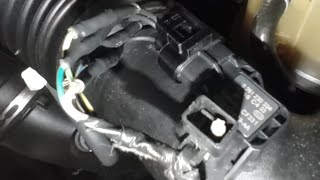
- My first move? Pop the hood and track down that turbo or supercharger inlet pressure sensor-it’s almost always tucked just after the air filter but before the throttle body. I run my hands along the wiring harness, feeling for melted insulation, pinched spots, or anything out of the ordinary. Don’t just eyeball the connector, either-pull it apart and check for green corrosion or signs of burnt pins. That’s a classic trouble spot.
- The air filter is next on my list. A filthy filter can choke the system and seriously mess with sensor readings. Swapping it out is cheap insurance.
- After that, I hunt down all the fuses tied to the sensor circuit. Blown fuses sneak up on you, and with fuse boxes scattered under the hood, dash, or even under the seat, you’ll want your owner’s manual handy if you’re not sure where to look.
- For wiring checks, I grab my multimeter and check for continuity and shorts to ground. This isn’t always beginner-friendly, so don’t be shy about asking a friend for help if you’re new to electrical troubleshooting.
- If everything so far checks out, I’ll swap in a known-good sensor if I’ve got one on hand. It’s a quick way to zero in on the culprit.
- Only if I’ve exhausted those steps do I even think about the ECM/PCM. Unless your car’s been swimming or toasted in an electrical fire, these modules are rarely at fault.
Here’s a pro-tip from the garage: Check for Technical Service Bulletins (TSBs) on your make and model. Sometimes there’s a factory fix that’ll save you chasing your own tail.
Common mistakes when fixing P012B code
I can’t tell you how many times I’ve seen folks toss a new sensor at the problem, only to find out later it was a busted wire or a clogged filter causing all the grief. Don’t assume a shiny new part will bail you out. Another pitfall? Overlooking that connector. Just because it looks clean from the outside doesn’t mean it’s free of corrosion or loose pins inside. And skipping the fuse box? That’s asking for wasted time and money. Bottom line: Always work through the basics before you reach for your wallet.

How serious is P012B
Let me be straight with you-P012B isn’t a code you can just shrug off. When this code’s active, your engine’s basically flying blind on boost and air pressure, which means the fuel mix can go all wrong. Keep pushing your luck, and you could be looking at poor performance, stalls, or-worst case-serious engine damage. I’ve seen turbochargers and superchargers bite the dust from being ignored, and I’ve replaced more than one catalytic converter that got ruined from running too rich or too lean. It’s not worth risking your safety or your wallet. Don’t let this one slide.
Repair steps for P012B trouble code
Here’s the rundown I follow in the shop-and trust me, it lines up with what the manufacturers recommend, too:
- Swap out the turbo/supercharger inlet pressure sensor if it’s acting up
- Repair or replace any fried wires, sketchy connectors, or clean up corrosion you spot
- Pop in a fresh air filter if the old one’s clogged up
- Replace any blown fuses tied to the sensor circuit
- On certain vehicles-like some Ford F-150s-there are updated sensors and connectors available. Upgrading to these can put an end to repeat problems
- If, after all that, the ECM/PCM is still causing grief, you may need to reprogram or replace it, but that’s a last resort
Don’t forget: Once the repairs are done, clear the code and take it for a decent test drive. If the code stays gone, you’re in the clear.


Conclusion
P012B means your engine’s not getting the right info about turbo or supercharger inlet pressure, which can cause all sorts of drivability and safety issues. It’s a high-priority code that you shouldn’t ignore, because the risks just aren’t worth it. Start with the simple stuff-check the wiring, connectors, and air filter-before moving on to the sensor itself. In my experience, fixing the sensor or its wiring solves the problem most of the time. Act quickly, and you’ll avoid bigger headaches down the road.

 5891
5891 6 minutes of reading