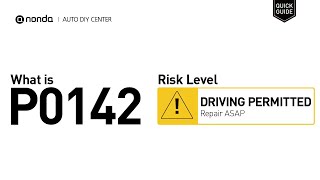
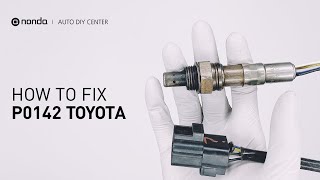
When you see a P0142 code pop up, it means your car’s computer has picked up on trouble with the oxygen sensor circuit for Bank 1, Sensor 3. Let me break that down for you: that’s the third O2 sensor on the same side of your engine as cylinder one-usually the sensor that sits furthest down the exhaust system, right before everything exits to the tailpipe. This particular sensor plays a critical role in keeping tabs on how well your catalytic converter is scrubbing the exhaust. It does that by “smelling” the oxygen left over in the exhaust gases after the catalytic converter has done its job. If that sensor’s voltage signal isn’t moving or is stuck, your computer’s left guessing, so it throws on the check engine light and stores the P0142 code. Take it from me, oxygen sensors are essential for efficiency, emissions, and keeping your engine purring-ignore one at your own risk.
DTC P0142
 4291
4291 5 minutes of reading
Causes of P0142 engine code
In my time wrenching on cars, the number one cause for a P0142 code is simply a worn-out oxygen sensor. These little guys don’t last forever, and heat plus age will take them out eventually. That said, I’ve seen cases where an exhaust leak sneaks in right near the sensor, or the wiring gets chewed up, corroded, or pinched-sometimes rodents even have a nibble. On rare occasions, the car’s computer (PCM) itself is the problem, but don’t jump to that conclusion first. Here’s the usual suspects I run into:
- Oxygen sensor (Bank 1, Sensor 3) has failed or worn out
- Exhaust leak just before the sensor
- Wiring or connectors that are broken, corroded, or shorted somewhere along the line
- Very rarely, a faulty PCM
Symptoms of obd2 code P0142
The first sign you’ll probably see is the dreaded check engine light. But it doesn’t end there. Your engine might start running rough, feel weaker than usual, or you’ll spot your gas mileage dropping off. Sometimes you’ll catch a whiff of stronger exhaust, and if you head in for an emissions test, you might end up failing it. Trust me, when these signs start stacking up, your car is waving a flag and asking for attention.

Diagnosis steps for P0142 trouble code
Let me walk you through how I tackle a P0142 code in the shop. First off, I always double-check I’m working with the right sensor-Bank 1, Sensor 3 is almost always the last sensor on the exhaust closest to cylinder one. After that, my next move is a careful look at the wiring and connectors for anything out of place: melted insulation, crusty terminals, or loose plugs. Don’t underestimate a small exhaust leak right by the sensor; even a pinhole can throw everything off. Once the basics are out of the way, I grab my scan tool to watch the sensor’s voltage in real time. If that reading is flatlined or stuck, you’ve just found a big clue. Sometimes, if I’m not sure, I’ll break out a multimeter, backprobe the sensor’s connector, and see if voltage and ground are what they should be. If the wiring checks out but the sensor’s still dead, it’s time for a new one. And here’s a pro-tip from the garage: don’t work under the car alone and always let the exhaust cool first-burns are no joke.
Common mistakes when fixing dtc P0142
A classic mistake is to swap out the oxygen sensor right away without checking for simple things like an exhaust leak or a broken wire. Another pitfall? Mixing up sensor locations-guess wrong, and you’ll waste both parts and time. People often skip the visual inspection and jump straight to replacement, missing out on easy fixes. And don’t forget: after any repair, always clear the code and take the car for a test drive. Otherwise, that check engine light might stick around and have you chasing your tail.

Seriousness of obd code P0142
Don’t make the mistake of thinking this code can wait. Letting a bad O2 sensor or related issue fester can make your engine run rough, gulp more fuel, and push out extra emissions. If you ignore it for too long, you’re looking at potential damage to your catalytic converter-a fix that’ll really hit your wallet. If you need to pass emissions, this code can turn a routine test into a headache. Bottom line: get it checked out sooner than later, or you’ll risk turning a small problem into a big one.
Repair options for P0142 code
Most of the time, swapping out the dead O2 sensor does the trick. But don’t skip the step of fixing any wiring issues or sealing up exhaust leaks nearby-that’s just as vital. Every now and then, if the PCM is to blame (which is rare), you might need to reprogram it or even replace it, but that’s usually the last thing I suspect. Here’s the playbook I use:
- Replace Bank 1, Sensor 3 oxygen sensor if it’s not responding
- Repair or replace wiring/connectors that are damaged
- Seal up exhaust leaks upstream of the sensor
- Clear the code, take it for a spin, and make sure the fix worked
Conclusion
Bottom line: when you see a P0142, your engine computer isn’t getting the right signal from that third oxygen sensor on Bank 1. That can mean poor running, wasted gas, and down the line, a ruined catalytic converter if you let it go. My advice? Start with a careful inspection of the sensor, wiring, and exhaust before you start swapping parts. Take care of it promptly-your car (and your wallet) will thank you.