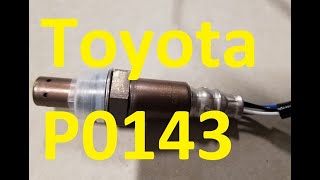
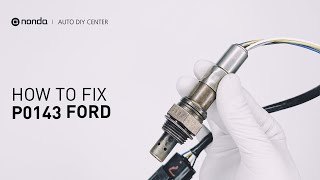
Causes of P0143 code
From my time under the hood, I can tell you there are a few usual troublemakers behind a P0143 code popping up. Here’s where I’d look first:
- Exhaust leaks-especially before or near the sensor-can trick it with extra air, causing odd readings.
- A tired or failed oxygen sensor-these can just quit after years of heat and use.
- Wiring gremlins-think cracked insulation, loose connectors, or corrosion eating away at the signal path.
- And, every now and then, a faulty PCM is to blame, but honestly, that’s the last place I’d check.
What I’ve found most often is a sensor that’s seen better days or a wire that’s been pinched, chafed, or corroded. Exhaust leaks are right up there too, especially if the vehicle’s been around the block a few times.
Symptoms of P0143
So, what can you expect when you’ve got a P0143 code? Here’s a list, based on what I’ve seen roll through the garage:
- Your check engine light will almost always come on-sometimes, that’s your only clue.
- The engine might feel a bit rough, or you’ll notice it’s not as peppy as usual. Don’t be surprised if your fuel economy takes a dive.
- But, here’s the kicker-sometimes, your car will run just fine, and you’ll only know something’s up because of the warning light.
If you see the check engine light, don’t brush it off. Even if your car feels okay, it’s better to get ahead of the issue.

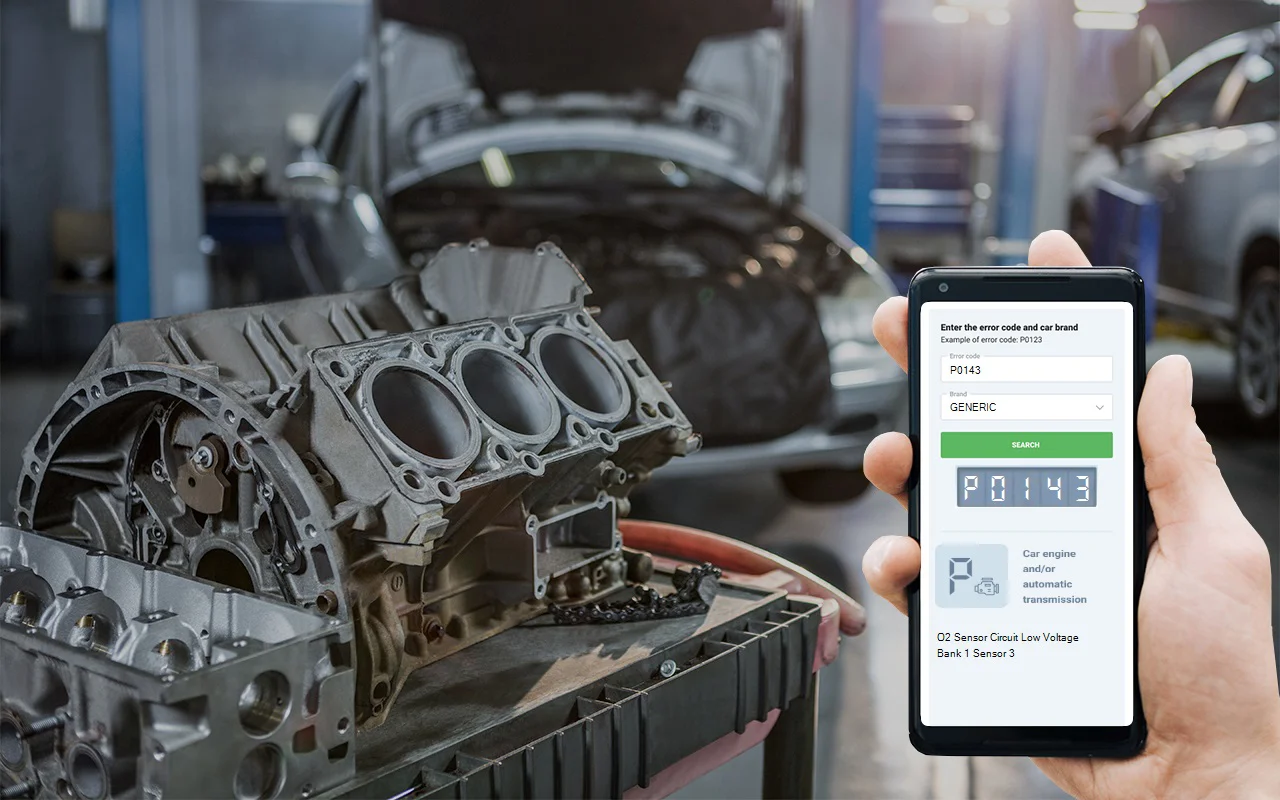
Common Mistakes with obd2 code P0143
A classic mistake I see is folks swapping out the O2 sensor right away without checking the wiring or hunting for exhaust leaks. That can turn into a parts-changing spree that doesn’t fix the problem. Other common missteps:
- Missing small exhaust leaks-these can be tricky to spot but cause real headaches.
- Ignoring the scan tool’s live data-if you’re just guessing, you’re wasting time.
- Not checking the connector for corrosion or loose pins-a simple cleaning or tightening can do the trick.
Here’s a pro tip from the garage: slow down, check everything, and don’t reach for your wallet until you know exactly what’s wrong.

Repair options for P0143 trouble code
Once you’ve nailed down the cause, here’s how I’d tackle a P0143:
- If the O2 sensor’s toast, swap it out for a solid, OEM-grade replacement. Don’t cheap out-you’ll pay for it later.
- For bad wiring, repair or replace the damaged spots. Make sure all connectors are clean and tight before wrapping things up.
- Found an exhaust leak? Patch it up or replace faulty gaskets-don’t leave any gaps.
- If by some fluke the PCM is to blame, it might need reprogramming or replacing, but that’s a rare fix in my book.
After you’ve done the repair, clear the code and take the car out for a spin. If the light stays off, you’re golden.
Conclusion
Here’s the bottom line: P0143 means your car’s brain isn’t happy with what it’s getting from the downstream O2 sensor. Most of the time, it’s a worn-out sensor, bad wiring, or a sneaky exhaust leak. Don’t put off fixing it-catching this early keeps your car running right and protects your wallet in the long run. Work through the basics, step by step, and you’ll have your ride back to normal in no time. That’s the approach I’ve relied on for years, and it hasn’t let me down yet.
Video for "Error p0143" on YouTube
The following error codes are often searched for

 5572
5572 5 minutes of reading