
Causes of P0144 code
From experience, I can tell you that most of the time, P0144 is caused by a handful of usual suspects. Here’s what I see most often in the shop:
- A faulty oxygen sensor (bank 1, sensor 3) is at the top of the list. These sensors wear out over time or get contaminated.
- Wiring issues-like damaged, frayed, or corroded wires and connectors-can mess with the sensor’s signal and trick the PCM into thinking there’s a problem.
- A rich running condition, where too much fuel is getting into the exhaust, can cause the sensor to read high voltage.
- On rare occasions, the PCM itself could be faulty or need a software update, but that’s not where I’d start.
Symptoms of P0144
If you’re dealing with a P0144, here’s what you’re likely to notice first: that check engine light glaring at you from the dash-can’t miss it. Over the years, I’ve had customers mention stopping for gas more often, and that’s no surprise since fuel economy usually takes a hit. Sometimes, your car might feel lazy, like it’s lost its pep. And don’t even think about passing an emissions test until you chase this code down. Another giveaway? The exhaust can start smelling extra strong or just plain off.

dtc P0144 diagnostic steps
I’ve chased this code plenty of times, and there’s a method that works. Don’t overthink it-start simple and build from there:
- First thing I do: scan for other codes. Sometimes, P0144 is just tagging along for a bigger problem.
- Next up, I get eyes on the wiring and connectors at bank 1, sensor 3. You’d be surprised how many times a little corrosion or a loose pin is the real culprit. Grab a buddy, have them wiggle the wires while you watch the scan tool-intermittent faults love to hide until you do this.
- With a scan tool, check the live data for the sensor. If you see voltage pegged high (usually over 0.9 volts), you’re onto something. Compare with the other sensors-numbers should line up close, not wildly different.
- If the wiring and connections look solid, time to test the sensor itself. If you’ve got a matching plug, swap in another sensor just to see if the code follows. Easy way to rule out a dud sensor.
- Don’t forget to look for a rich running engine-black soot out the tailpipe, high fuel trims on the scan tool, that sort of thing. Those can push voltage up, too.
- If you’ve checked all that and still haven’t found the fix, then and only then, start thinking about the PCM. Before replacing it, see if there’s a software update or service bulletin out there.
Common mistakes when fixing a P0144 trouble code
A classic mistake I see all the time is folks swapping out the oxygen sensor without even glancing at the wiring first. I’ve watched more than one customer throw away money on parts when the real problem was a pinched wire or cruddy connector. Another one: ignoring other trouble codes that might be lurking. Sometimes P0144 is just a symptom, not the root cause. And if you skip checking for a rich-running engine, you might fix the sensor but miss what’s actually causing it to fail again. Always start with the basics-don’t just start replacing parts without good reason.

How serious is a P0144 engine code
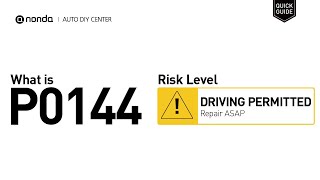
Let me put it this way: you don’t want to let a P0144 sit. If that sensor or wiring is bad, your engine can start burning more fuel, spewing higher emissions, and worst case, cooking your catalytic converter-which isn’t cheap. I’ve seen rich-running engines foul spark plugs and even cause misfires. Ignore the problem and you’ll turn a quick repair into something way more expensive. Plus, failing an emissions test is never fun. Sooner you fix it, the better off your wallet and your engine will be.
How to repair obd code P0144
Most of the time, you’ll end up replacing a tired oxygen sensor, but don’t jump the gun. Always check and fix any sketchy wiring or loose connectors first. If you find your engine is running rich, track down the cause-could be a leaky injector, weak fuel pressure regulator, you name it. Only in rare cases will you need to mess with the PCM, and even then, start with updates before thinking about a replacement. Once you’ve made the repair, clear the code and take the car for a solid test drive. Make sure that pesky check engine light stays off before you call the job done.


Conclusion
Here’s the bottom line: when you see p0144, your car’s telling you the downstream oxygen sensor on bank 1 is seeing too much voltage. Nine times out of ten, it’s a sensor or wiring issue, but don’t forget to check for a rich mixture. If you ignore it, you’re flirting with bigger headaches-higher costs, failed emissions, or even engine damage. Start simple: check wiring, test the sensor, and look for rich running. Most fixes are straightforward. Tackle it sooner rather than later, and you’ll keep your car running smooth and your repair bill low.
 5619
5619 6 minutes of reading