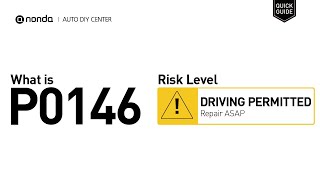
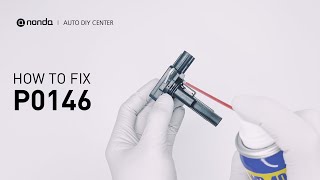
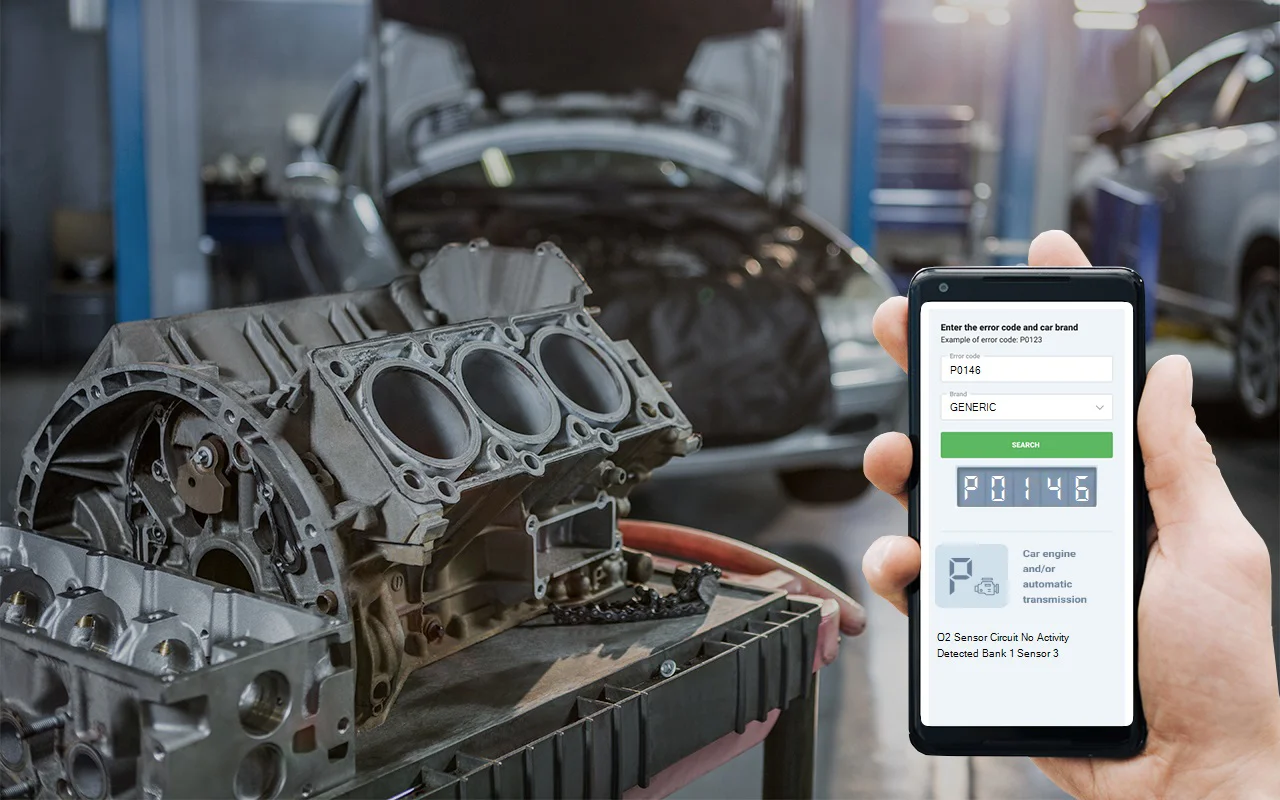
When you see P0146 show up on your scanner, it’s your car’s way of saying, “Hey, I’m not getting any feedback from the oxygen sensor that's sitting after the catalytic converter on bank 1.” This one’s what we call the post-cat or downstream O2 sensor. Here’s why it matters-this sensor’s job is to keep tabs on the oxygen levels in your exhaust after it’s gone through the catalytic converter. From years spent under the hood, I can tell you the computer wants to see the voltage from this sensor fluctuate as your engine does its thing. If that reading just sits there, barely budging, for too long, the system throws the P0146 code. The bottom line? If this sensor isn’t doing its part, your car can’t keep an eye on emissions like it should, and that can lead to bigger headaches if left unchecked.
DTC P0146
 5352
5352 5 minutes of reading
Causes of P0146
From what I see most often in the shop, the P0146 code is usually caused by one of three things:
- A faulty downstream oxygen sensor (bank 1, sensor 3)-this is by far the most common culprit.
- Problems with the wiring or connectors leading to the sensor-think broken wires, corroded pins, or loose connections.
- In rare cases, a malfunctioning powertrain control module (PCM) can be to blame, but that’s not where I’d start.
In my experience, it’s best to check the sensor and wiring first before even thinking about the PCM.
Symptoms of P0146 code
If you’ve got a P0146 code, here’s what you’re likely to notice:
- The check engine light will come on-sometimes that’s the only sign.
- You might notice your engine idling a bit rough or acting a little off, but not always.
- Fuel efficiency can take a hit, so you may find yourself filling up more often.
Honestly, a lot of drivers don’t notice much besides the warning light, but ignoring it can lead to bigger headaches down the road.

Diagnosis steps for obd code P0146
Here’s how I usually tackle a P0146 code, step by step:
- First, I use a scan tool to confirm the code and check for any related codes-sometimes there’s more than one clue.
- Next, I visually inspect the wiring and connectors at the downstream O2 sensor. Look for frayed wires, corrosion, or anything that looks out of place. It’s best to do this with the car cool and safely supported. Don’t forget to check for any signs of exhaust leaks near the sensor, as those can throw off readings.
- If the wiring looks good, I’ll use a multimeter to check for proper voltage and ground at the sensor connector. If you’re comfortable with a meter, you can do this yourself, but if not, it’s safer to let a pro handle it.
- Then, I’ll monitor the live data from the sensor using the scan tool. The voltage should move up and down as the engine runs. If it’s stuck or barely changing, the sensor is likely bad.
- If everything checks out but the code keeps coming back, only then do I consider the PCM, but that’s rare.
It’s always smart to start with the basics before moving on to more complicated or expensive parts.
Common Mistakes during P0146 engine code repair
I’ve seen a few common slip-ups when folks try to fix this themselves:
- Jumping straight to replacing the oxygen sensor without checking the wiring or connectors first. A loose or corroded connector can cause the same problem.
- Overlooking exhaust leaks near the sensor, which can throw off readings and set the code.
- Assuming the PCM is bad without ruling out the simple stuff. PCM failures are rare and expensive to fix.
Take your time and check each step-rushing can lead to wasted money and more frustration.

Seriousness of obd2 code P0146
Let me tell you, this is one of those codes you don’t want to sweep under the rug. While you might not notice anything drastic at first-maybe just a glowing check engine light-a faulty downstream O2 sensor means your car can’t keep tabs on the catalytic converter’s health. This spells trouble for your fuel economy, and if you let it slide, you could end up hurting the catalytic converter itself, which is never a cheap fix. Here’s another kicker: if emissions testing is a thing in your area, you’ll probably fail. So, what does this actually mean for your car? Nip it in the bud before it snowballs into something bigger and costlier.
Repair options for dtc P0146
When I’m fixing a P0146 code, here’s the game plan that’s never let me down:
- Replace the downstream oxygen sensor (bank 1, sensor 3) if you find it’s not working right. Nine times out of ten, this is the fix.
- Patch up any damaged wires or connectors you come across. Make sure everything is snug, clean, and corrosion-free. That little bit of extra attention goes a long way.
- If, after all that, the PCM is still the odd man out (which hardly ever happens), you might need to reprogram or swap it-but only after you’ve ruled out everything else.
After the repair, I always clear the codes and take the car for a good test drive. If the code stays gone, you know you’ve nailed it.
Conclusion
Here’s the bottom line: If you’ve got a P0146 code, your car’s computer isn’t seeing the activity it needs from the downstream oxygen sensor on bank 1. Nine times out of ten, you’re dealing with a bad sensor or a wiring hiccup. Letting it ride can ding your gas mileage and even put your catalytic converter at risk. My advice? Don’t just swap parts blindly-start with a thorough inspection of the sensor and wiring. Once you’ve sorted the issue, clear the code and double-check your fix. Quick, careful action here keeps your ride running right and saves you a chunk of change down the road.