
Causes of dtc P0148
From my time under the hood, the majority of P0148 cases come down to something wrong in the fuel delivery path. Here’s a rundown of what I’ve found most often causes this headache:
- Leaks anywhere in the fuel system-could be from the tank, through the lines, all the way up to the injectors
- Bad fuel pressure sensor-that little guy can really mess with you if it sends the wrong info to the computer
- Fuel pump on its last legs-especially the high-pressure pump if you’re working on a diesel
- Faulty fuel control actuator-this part manages pressure heading into the high-pressure pump
- Electrical gremlins-open circuits, high resistance, or even shorted wiring and connectors in the fuel circuit
- Plugged-up fuel filter-if it’s starving the engine, you’ll see problems fast
- Pinched or blocked fuel line-sometimes a kink or blockage is all it takes
- Air sneaking into the fuel system-on diesels, this is a classic culprit
- Injectors that are leaking or damaged
- MAF sensor troubles-mainly on GDI systems, but don’t rule it out
- PCM (engine computer) acting up or needing a software update-rare, but it does happen
Honestly, most of the time, it’s something as simple as a clogged filter or weak pump. But don’t overlook the sensor and wiring-those small issues can be the hardest to spot and the easiest to miss.
Symptoms when you get the P0148 code
If you’re battling this code, here’s what you’ll probably notice. The check engine light almost always comes on-no surprise there. I’ve had plenty of customers tell me their fuel mileage takes a nosedive; you might find yourself filling up more often. A drop in engine performance is another big red flag-sluggish acceleration, the car just feels gutless. On diesels, keep an eye out for extra exhaust smoke or that telltale smell of unburned fuel. Sometimes, the engine will stumble, stall, or give you a hard time starting up-especially if the pressure gets too low. Once in a while, the only sign is the warning light, but trust me, you don’t want to let it ride just because things ‘seem fine’ for now.

Diagnosis steps for obd code P0148
When I’m tracking down a P0148, here’s the method I use, step-by-step:
- First up, scan for any additional codes. Sometimes P0148 is just one piece of a bigger puzzle.
- Next, I’ll do a thorough check for fuel leaks or visible damage. Don’t skip the area around the filter, lines, and injectors. A second set of eyes while someone else cranks the engine can make spotting leaks a breeze.
- The fuel filter is high on my list. If it’s looking dirty or plugged, swap it out-filters are cheap insurance.
- With my scan tool, I’ll pull up live fuel pressure data and compare what’s actually happening to what the computer wants. If there’s a big difference, I know I’m closing in on the issue.
- I always check the fuel pressure sensor next-sometimes it’s feeding the computer bad info. Give the wiring and connectors a close look for corrosion or damage. A little wiggle test can help uncover a loose connection hiding in plain sight.
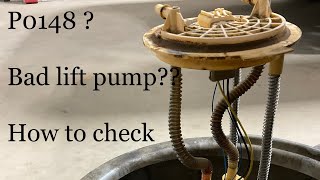
- If the basics check out, I move on to the fuel pump. On diesels, I test both the in-tank (low pressure) and the high-pressure side. Listen for odd noises or measure current draw if you have the tools.
- The fuel control actuator is another spot that can trip you up. Some scan tools let you command it on and off for testing-handy for catching one that’s sticking or not responding.
- Last but not least, I’ll check for air in the fuel system-especially critical on diesels. If you find air, don’t forget to bleed the lines before moving forward.
Here’s a pro-tip from the garage: always start with the easy stuff-filters, leaks, connectors. You’d be surprised how many times I’ve fixed a ‘major’ issue just by cleaning up a corroded connector or replacing a $15 filter. Don’t go throwing expensive parts at it until you’ve covered the basics.
Common mistakes with obd2 code P0148
A classic mistake I see is jumping straight to replacing the fuel pump or injectors without checking for simple things like a clogged filter or a leaky line. Another one is not taking wiring and connectors seriously-corrosion or a loose pin can drive you nuts and throw all sorts of codes. On diesels, missing air in the system is a common oversight; just a little bit can set this code off. And don’t forget, sometimes there are other related codes that’ll actually point you right to the problem, but folks ignore them. Skipping these steps usually means wasted time, money, and a lot of unnecessary frustration.

Seriousness of P0148 engine code
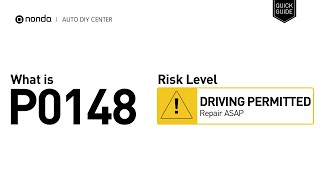
This isn’t one of those codes you can ignore and hope it goes away. Fuel delivery problems can spiral out of control fast-sudden misfires, stalling right when you need power, or even serious engine damage if you’re running lean or rich for too long. On diesels, a failed high-pressure pump or injector can grenade the whole system. If you notice fuel odors or clouds of smoke, don’t wait-things can get dangerous in a hurry. Parts that can end up ruined include injectors, high-pressure pumps, and, in the worst cases, the engine itself. Bottom line: get on top of this code as soon as you see it.
How to repair P0148
After fixing more than a few of these, I’ve found the fixes for dodge dtc p0148 usually come down to the following:
- Swapping out a clogged or restricted fuel filter
- Repairing or replacing any leaking fuel lines or loose connections
- Replacing a fuel pressure sensor that’s lost its mind
- Fixing up wiring or connectors in the fuel system circuit-sometimes just cleaning off corrosion does the trick
- Installing a new fuel pump if the old one’s showing its age (low or high pressure, depending on what’s failed)
- Replacing a faulty fuel control actuator
- Bleeding air out of the fuel system-especially a must on diesel engines
- Changing out damaged or leaking injectors
- On rare occasions, reprogramming or swapping the PCM if it’s at fault
Here’s my advice: always start with the stuff that’s quick and cheap-filters, sensors, wiring-before you commit to big-ticket parts like pumps or injectors. Nine times out of ten, the problem’s simpler than you think.


Conclusion
If you’re staring down a P0148, what it means is your engine isn’t getting the fuel pressure it’s supposed to-and that spells trouble for both performance and long-term reliability. In my shop, it almost always comes back to something in the fuel delivery system: clogged filters, tired pumps, or a sensor that’s gone flaky. Don’t sit on this code; the risk of serious damage just isn’t worth it. Start with the easy checks, work methodically through the system, and you’ll usually sniff out the problem. The best fix is always to tackle the root cause, not just clear the code and cross your fingers. That’s how you keep your ride on the road and out of the shop for the long haul.
 3913
3913 7 minutes of reading