
Most Common dtc P014C Causes
From experience, the most common reasons I see for a P014C code are:
- A failing or sluggish upstream oxygen sensor (the one before the catalytic converter)
- Damaged, burnt, or disconnected wiring or connectors to the O2 sensor - especially where wires run close to hot exhaust parts or sharp edges
- A faulty catalytic converter, though this is less common
- Exhaust leaks near the sensor, which can throw off the readings
Most often the issue is with the sensor or its wiring, but it’s important to check everything on the list to avoid missing the real culprit.
P014C Trouble Code Symptoms
When this code pops up, you might notice a few things:
- The check engine light will be on
- Your fuel economy might drop - you’ll be filling up more often
- The engine could feel a bit sluggish or just not as peppy as usual
- Sometimes, you’ll notice other codes related to the fuel or emissions system
In some cases, you might not feel much difference at all, but that doesn’t mean it’s safe to ignore.

How to Diagnose obd code P014C
Here’s how I usually go about diagnosing a P014C:
- First, I always check for any other codes, especially ones related to misfires, throttle position, or air flow sensors. Those need to be fixed first, since they can affect O2 sensor readings.
- Next, I do a careful visual inspection of the O2 sensor wiring and connectors. I look for burnt, broken, or loose wires - especially near the exhaust manifold and heat shields. It’s best to have someone help you wiggle the wires while you watch for any changes.
- I always check for exhaust leaks near the sensor, since even a small leak can mess up the sensor’s readings.
- After that, I hook up a scan tool and watch the live data from the O2 sensor. The voltage should swing up and down quickly as the engine runs. If it’s slow or stuck, that’s a big clue.
- If I’m still not sure, I use a digital voltmeter to check the sensor’s signal and ground wires, and sometimes measure the sensor’s resistance (with the sensor unplugged and the ignition off).
- It’s also smart to check for any Technical Service Bulletins (TSBs) for your vehicle - sometimes there’s a known issue or updated part.
Don’t forget to clear the codes and see if they come back after your checks. That helps confirm if you’ve found the real problem.
Common obd2 code P014C Mistakes
I’ve seen a few common mistakes with this code:
- People often replace the O2 sensor right away without checking the wiring or for exhaust leaks. That’s a surefire way to waste money if the sensor isn’t the problem.
- Skipping the check for other engine codes - if there’s a misfire or air/fuel issue, it can trigger this code too.
- Not checking for TSBs - sometimes there’s a software update or known fix that gets overlooked.
It’s best to be thorough and not jump to conclusions. Take your time with the basics before replacing parts.

How Serious is a P014C
Honestly, this isn’t a code you want to ignore. A slow O2 sensor can cause your engine to run too rich or too lean, which means more fuel burned, higher emissions, and possible damage to your catalytic converter over time. If left unchecked, you could end up with a much bigger repair bill. Things can go south quickly if overlooked, so don’t put this off for later - it’s a serious hazard for both your wallet and the environment.
Effective P014C Engine Code Repairs
Here’s what I typically do to fix a P014C:
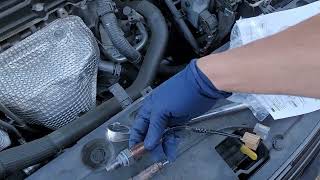
- Replace the upstream O2 sensor if it’s confirmed to be slow or faulty
- Repair or replace any damaged wiring or connectors
- Fix any exhaust leaks near the sensor
- If the catalytic converter is found to be bad (less common), it may need to be replaced
Always use quality parts, especially for sensors and catalytic converters. Cheap replacements can cause repeat problems.


Conclusion
To sum it up, P014C means your engine’s upstream O2 sensor isn’t responding as quickly as it should, which can hurt performance and emissions. It’s a moderate to high priority issue - don’t ignore it, or you risk bigger problems down the line. The most reliable way to resolve it is to start with a careful inspection of the sensor, wiring, and exhaust, then replace the sensor if needed. Take care of it promptly and you’ll avoid a lot of headaches later on.
 5198
5198 5 minutes of reading