
Main Causes Behind obd2 code P014D
From what I see most often in the shop, there are a handful of usual suspects when it comes to the p014d. Here’s what tends to cause it, based on real-world cases and official repair info:
- A faulty upstream oxygen sensor (the one before the catalytic converter on bank 1)-this is the most common issue by far.
- Burnt, broken, or disconnected wiring or connectors going to the sensor-wiring that runs close to hot exhaust parts is especially vulnerable.
- A failing or clogged catalytic converter-sometimes the problem isn’t the sensor itself, but what’s happening downstream.
- Exhaust leaks near the sensor-these can let extra air in and mess with the sensor readings.
In my experience, it’s usually the sensor or its wiring, but I’ve seen all of these pop up. It’s important to check each one carefully before replacing any parts.
Recognizing Symptoms of P014D
If your car has a p014d, here’s what you might notice while driving:
- The check engine light will almost always come on-sometimes it’s the only sign.
- You might see a drop in fuel efficiency, meaning you’ll be filling up more often than usual.
- The engine could feel a bit sluggish or just not as peppy as you’re used to.
- Other related codes might show up, especially if the problem has been going on for a while.
Sometimes the symptoms are subtle, but ignoring them can lead to bigger headaches down the road.

How to Diagnose a P014D code
Here’s how I usually tackle a p014d, step by step:
- First, I always check for any other engine codes-especially misfire, throttle position, or airflow sensor codes. These need to be fixed first, since they can cause false readings.
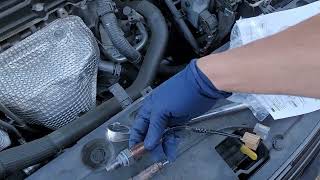
- Next, I do a thorough visual inspection of the oxygen sensor wiring and connectors. I look for any signs of burning, fraying, or loose connections, especially where the wires run close to the exhaust manifold or heat shields. Don’t forget to check for corrosion inside the connectors, too.
- If everything looks good, I’ll hook up a scan tool and pull up all stored codes and freeze-frame data. This helps me see what was happening when the code set.
- Then, I clear the codes and run the engine until it’s fully warmed up. With the scan tool, I watch the live data from the upstream O2 sensor. The voltage should swing up and down quickly-if it’s slow or stuck, that’s a red flag.
- If I’m not sure, I’ll use a digital voltmeter to backprobe the sensor’s signal wire and ground, checking for proper voltage swings and resistance. If you’re doing this yourself, make sure to disconnect the PCM before checking resistance to avoid damaging anything.
- Finally, I check for exhaust leaks near the sensor and inspect the catalytic converter if the sensor and wiring check out. Low-quality or aftermarket catalytic converters can cause recurring issues, so I pay close attention there.
It’s best to have someone help you watch the scan tool or meter while you rev the engine, just to make sure you’re seeing everything in real time.
Avoiding Common Mistakes with obd code P014D
I’ve seen a few common slip-ups when folks try to fix this code:
- Jumping straight to replacing the oxygen sensor without checking the wiring or for exhaust leaks-this can waste time and money.
- Overlooking other engine codes that could be causing the sensor to act up-always address those first.
- Not checking for technical service bulletins (TSBs) that might apply to your specific make and model-sometimes there’s a known issue with a simple fix.
- Using cheap or low-quality replacement parts, especially catalytic converters-these can cause the problem to come right back.
Take your time with the basics before swapping out parts. It’s easy to miss something simple.

Understanding the Seriousness of a P014D engine code
I can’t stress this enough: this isn’t a code you want to ignore. A slow-responding oxygen sensor can throw off your engine’s fuel mixture, leading to poor performance and higher emissions. If left unchecked, it can cause damage to your catalytic converter-a very expensive part to replace. You might also fail an emissions test, and in some cases, the engine could run rough or even stall. Things can go south quickly if overlooked, so don’t put this off for later. The risks just aren’t worth it.
Repair Solutions for a P014D trouble code
Here’s what usually fixes a p014d, based on verified repair procedures:
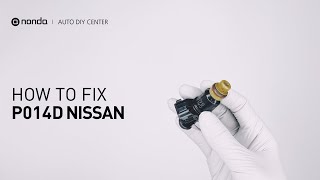
- Replacing the upstream oxygen sensor on bank 1 if it’s confirmed to be slow or faulty.
- Repairing or replacing any damaged wiring or connectors going to the sensor.
- Fixing any exhaust leaks near the sensor or in the exhaust manifold.
- Replacing a failing or clogged catalytic converter, but only after confirming the sensor and wiring are good.
Always use high-quality, OEM-approved parts to avoid repeat problems. And double-check for any related TSBs before starting repairs-they can save you a lot of hassle.

Conclusion
To sum it up, the P014D code means your engine’s upstream oxygen sensor isn’t reacting as quickly as it should, which can mess with performance and emissions. It’s a serious issue that can lead to costly damage if ignored, so make it a priority to diagnose and fix it. Start with the basics-check wiring, connectors, and for exhaust leaks-before replacing any parts. The most reliable fix is to address the root cause, whether it’s the sensor, wiring, or catalytic converter. Acting quickly is the best way to keep your car running smoothly and avoid bigger problems down the road.
 4869
4869 6 minutes of reading