
P014E Causes and Typical Sources of the Code
From what I see most often in the shop, P014E usually comes down to a handful of culprits. Here’s what I typically find when tracking down this code:
- Faulty oxygen sensor (Bank 2, Sensor 1) - this is the most common cause by far.
- Burned, broken, or disconnected wiring or connectors going to the sensor - heat from the exhaust can really do a number on these.
- Exhaust leaks near the sensor - even a small leak can throw off the readings.
- Failing catalytic converter - sometimes a bad cat can affect sensor response.
From experience, I can say it’s best to start by checking the sensor and its wiring, but don’t rule out exhaust leaks or issues with the catalytic converter, especially if the sensor checks out.
dtc P014E Symptoms and Warning Signs
If your car’s got a P014E code, you’ll probably notice a few things. Most folks first see the check engine light pop on. Beyond that, you might feel the engine running rough or notice it’s not as peppy as usual. Fuel economy can take a hit, so you might find yourself filling up more often. Sometimes, there aren’t any obvious symptoms at first, but if you ignore it, things can get worse pretty quickly.

obd code P014E Diagnosis Steps
Let me walk you through how I usually track down a P014E code. This isn't just theory-it's the same process I'd use on a customer’s car in my own bay:
- First thing I always do is scan for any other codes-especially anything about misfires, throttle position, or air sensors. You’ve got to clear up those first because they’ll throw off your oxygen sensor readings every time.
- Next, I get my flashlight and do a thorough visual check of the wiring and connectors running to that Bank 2, Sensor 1 oxygen sensor. Melted insulation, broken wires, push-on connectors that aren’t clicked in-these are all classic trouble spots, especially near hot exhaust pipes or sharp brackets.
- After that, I’m hunting for exhaust leaks around the sensor. Even a pinhole leak can trip this code, so I’ll have someone rev the engine lightly while I listen and feel along the joints and flanges. Don’t rush this step-it’s easy to miss a small leak if you’re not careful.
- Then, I plug in a scan tool and check the live data for the oxygen sensor. You want to see the voltage jumping quickly as the engine runs (usually bouncing between 0.1V and 0.9V). If it’s slow to move or just sits at one value, you’ve got a sluggish sensor-or maybe something farther upstream causing the trouble.
- If the scan tool suggests a lazy sensor, I’ll break out the DVOM (digital volt/ohm meter) and back-probe the sensor’s signal and ground wires. Always disconnect the PCM before measuring resistance-learned that one the hard way, and it’ll save you from frying something expensive.
- Now, if all the wiring and sensor tests check out but you’re still chasing the code, start thinking about the catalytic converter. On older cars or vehicles with engine issues in the past, a failing cat can definitely throw off sensor response times.
One more thing-don’t skip checking for technical service bulletins (TSBs) for your make and model. I’ve fixed cars in half the time just by finding a TSB that points to a known weak spot for this code.
P014E Engine Code Common Mistakes
A classic mistake I see is folks running out and swapping the oxygen sensor right away, without even glancing at the wiring or checking for exhaust leaks. That’s a quick way to burn through cash and not solve the issue. Another one? Ignoring other codes that might seem unrelated-like misfire or air sensor codes-but are actually the root cause of the P014E. And if you skip using a scan tool to check live data, you’re just guessing. Real-time readings are the only way to know for sure how that sensor is behaving.

P014E Trouble Code Seriousness and Potential Risks
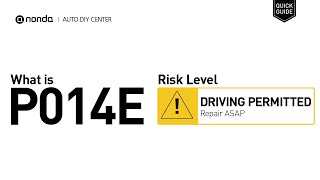
Let me put it bluntly: this isn’t one of those codes you can just ignore and hope for the best. When your oxygen sensor gets slow, your fuel mixture is all over the place. That means lousy performance, emptying your wallet faster at the pump, and a real risk of frying your catalytic converter. If that cat goes, it can get hot enough to be a fire hazard. Plus, running rich or lean for too long can do real damage to your engine’s internals. Things can go downhill fast, so do yourself a favor-don’t put this off.
obd2 code P014E Repair and Solutions
Based on what I see day in, day out, here’s how you usually get a P014E fixed for good:
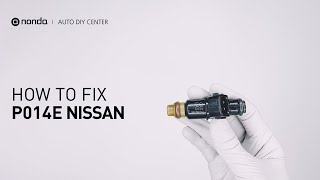
- Swap out that Bank 2, Sensor 1 oxygen sensor-but only after you’ve confirmed it’s bad. Always use a solid OEM or trusted aftermarket part. Cheap sensors just cause more headaches.
- Repair or replace any damaged or sketchy wiring and connectors. I’ve seen brittle wires hidden behind heat shields that look fine until you wiggle them.
- Seal up any exhaust leaks near the sensor. Even a minor leak can throw everything off.
- If all else checks out and the code’s still there, you may be looking at a failing catalytic converter. Don’t just replace it blindly, though-make sure you’ve ruled out all the other stuff first.
Here’s a pro-tip: always double-check your work, clear the code, and road test before calling it done. Saves you from comebacks and keeps your reputation solid.


Conclusion
Bottom line: when you see a P014E, your engine’s Bank 2 oxygen sensor is dragging its feet, messing with your fuel mix and performance. Ignore it, and you’re staring down bigger (and pricier) repairs in no time. The smartest move? Start with a careful inspection of the sensor, wiring, and exhaust, check the live data, and only replace what’s actually faulty. Tackle it methodically and you’ll have your car running right-and save yourself a ton of headaches down the road.
 5041
 6 minutes of reading