
Causes of obd2 code P014F
From experience, the most common reasons I see for a p014f code are:
- A failing or sluggish upstream oxygen sensor (the one before the catalytic converter on bank 2)
- Burnt, damaged, or loose wiring or connectors at the O2 sensor
- Exhaust leaks near the sensor, which can throw off readings
- A faulty catalytic converter (especially if it’s been replaced with a low-quality aftermarket part)
Most often the issue is with the sensor itself or the wiring, but I’ve also seen exhaust leaks and bad cats cause this. It’s best to check all these areas before replacing anything.
Symptoms of P014F
If you’ve got this code active, here’s what you might run into. The check engine light will almost always come on-that’s your first clue. You could feel the engine running a bit rough, maybe not as responsive as it should be. Sometimes, you’ll notice you’re filling up the tank more often because your fuel economy drops. There are cases where you might not feel much at all, but don’t be fooled-the code’s still there, quietly working against you in the background.

Diagnosis steps for obd code P014F
Here’s my go-to process for chasing down a p014f code:
- First thing, grab a scan tool and check for any other codes-especially misfires, throttle, or mass airflow issues. Take care of those first; they can throw the O2 sensor readings way off.
- Then, get in there and really inspect the O2 sensor wiring and connectors on bank 2. I’m talking about looking for anything melted, frayed, or barely hanging on. Hot exhaust parts and sharp edges can do a number on those wires.
- While you’re under there, check for exhaust leaks around and before the sensor. Even a tiny leak can mess up the sensor’s readings.
- Next, hook up a scan tool and watch the live data from the O2 sensor. What you want to see is the voltage moving quickly between about 0.1 and 0.9 volts as the engine runs. If it’s slow or flat, that’s your warning sign.
- If the scan tool shows the sensor’s dragging its feet, grab a digital voltmeter and check the signal and ground wires. Sometimes I’ll even check resistance with everything unplugged-just be careful not to zap the PCM.
- If all that checks out, it’s time to consider the catalytic converter, especially if it’s a replacement or the vehicle’s had engine problems in the past.
Here’s a pro-tip from the shop: have someone help you when you’re looking for exhaust leaks. Sometimes an extra set of eyes or ears is what finds the problem.
Common Mistakes with dtc P014F
A classic mistake I see all the time? Folks jump straight to swapping out the O2 sensor without even glancing at the wiring or checking for exhaust leaks. Another one-ignoring other codes that could be making the sensor act weird in the first place. Skipping a solid visual inspection can waste both time and money. And trust me, cheap aftermarket catalytic converters? They’re a recipe for repeat problems. I always steer people clear of those.

Seriousness of P014F engine code
Letting a p014f code slide is asking for trouble. If your O2 sensor is slow, your engine can’t run as efficiently as it should. That means burning more fuel, spiking emissions, and risking real damage to your catalytic converter over time. You don’t want to roll the dice on this one-neglect can wear out not just the cat, but your spark plugs and other parts too, and things can go downhill fast.
Repair options for P014F code
When it comes to fixing a p014f code, here’s what I usually recommend:
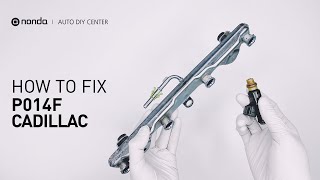
- Swap out the upstream O2 sensor on bank 2 if you’ve confirmed it’s bad
- Fix or replace any damaged wiring or connectors you find
- Seal up any exhaust leaks around the sensor
- If it comes to it, replace the catalytic converter-but spring for a high-quality part, not the bargain bin
My advice? Start with the basics: wiring and exhaust leaks. Move on to the sensor only if those check out. Only look at the catalytic converter if you’re absolutely sure everything else is spot-on.


Conclusion
Bottom line, p014f means your computer isn’t happy with how the oxygen sensor on bank 2 is keeping up. Don’t put this off-jumping on it early can save you a world of frustration and cash. Start with a close look at wiring and exhaust, test the sensor’s performance, and only swap out parts as you confirm the problem. Ignore this code, and you’re risking bigger, more expensive headaches down the line. Get it sorted while it’s still a quick fix.

 5165
 5 minutes of reading