Causes of obd2 code P0152
Over the years, I've tracked down a lot of P0152 codes and here’s what usually causes them:
- The oxygen sensor itself has failed-these guys don’t last forever, especially if your engine’s been running rich or burning oil.
- Issues with the wiring or connector-not unusual to find wires that are damaged, corroded, or a connector that just isn’t seated right.
- The engine really is running rich-think leaking fuel injector, a fuel pressure regulator that’s on the fritz, or even a mass air flow sensor that’s gotten dirty or gone bad.
- In rare cases, the engine computer (PCM) might be the culprit.
Most of the time, it’s something going on with the sensor or its wiring, but don’t forget, a genuinely rich condition can easily trigger this code, too. I’ve seen this on all sorts of vehicles-Ford, Jeep, Nissan-you name it.
Symptoms of P0152
If this code is active, here’s what you might run into:
- The check engine light flips on-usually your first heads-up that something’s off.
- The engine can start running rough, especially when you’re idling at a stoplight.
- Your gas mileage drops-suddenly you’re filling up the tank more often than usual.
- Sometimes, there’s a strong raw fuel smell from the tailpipe, or you’ll even see black smoke if things are really rich.
- Overall, the engine might feel sluggish-slow to accelerate, or just not as smooth as you know it should be.
- In some cases, that pesky warning light is the only clue you’ll get, but trust me, the issue’s still there even if you can’t feel it yet.
Your car’s computer is pretty sharp at catching this-p0152 can show up across different makes and models, so don’t ignore it just because everything feels okay.

Common Mistakes when resolving P0152 code
A classic mistake I see time and again is folks swapping out the oxygen sensor right away, without even glancing at the wiring or checking if the engine’s running rich. That’s a fast way to waste cash if the real issue is a leaky injector or a bad connection. Another misstep is ignoring related trouble codes or skipping over possible fuel system problems that could be causing the sensor to read high. My advice? Always check for other codes, and never skip that basic visual once-over.

Repair steps for P0152 trouble code
Here’s my go-to fix list for a P0152 code:
- First, repair or replace any damaged wiring or connectors going to the oxygen sensor.
- If testing shows the sensor’s out of spec, swap it out for a fresh, OEM-quality unit.
- If you confirm the engine’s running rich, tackle that head-on-repair any leaky injectors, replace a faulty fuel pressure regulator, or clean/replace the mass air flow sensor as needed.
- Once repairs are done, clear the code and take the car for a solid test drive to make sure it doesn’t come back.
- On rare occasions, if everything else checks out, the PCM might need attention-either reprogramming or replacement-but that’s not typical.
I always start with wiring and the sensor, then move on to the fuel system if those check out. Even with different makes-like nissan dtc p0152-the core repair steps rarely change.
Conclusion
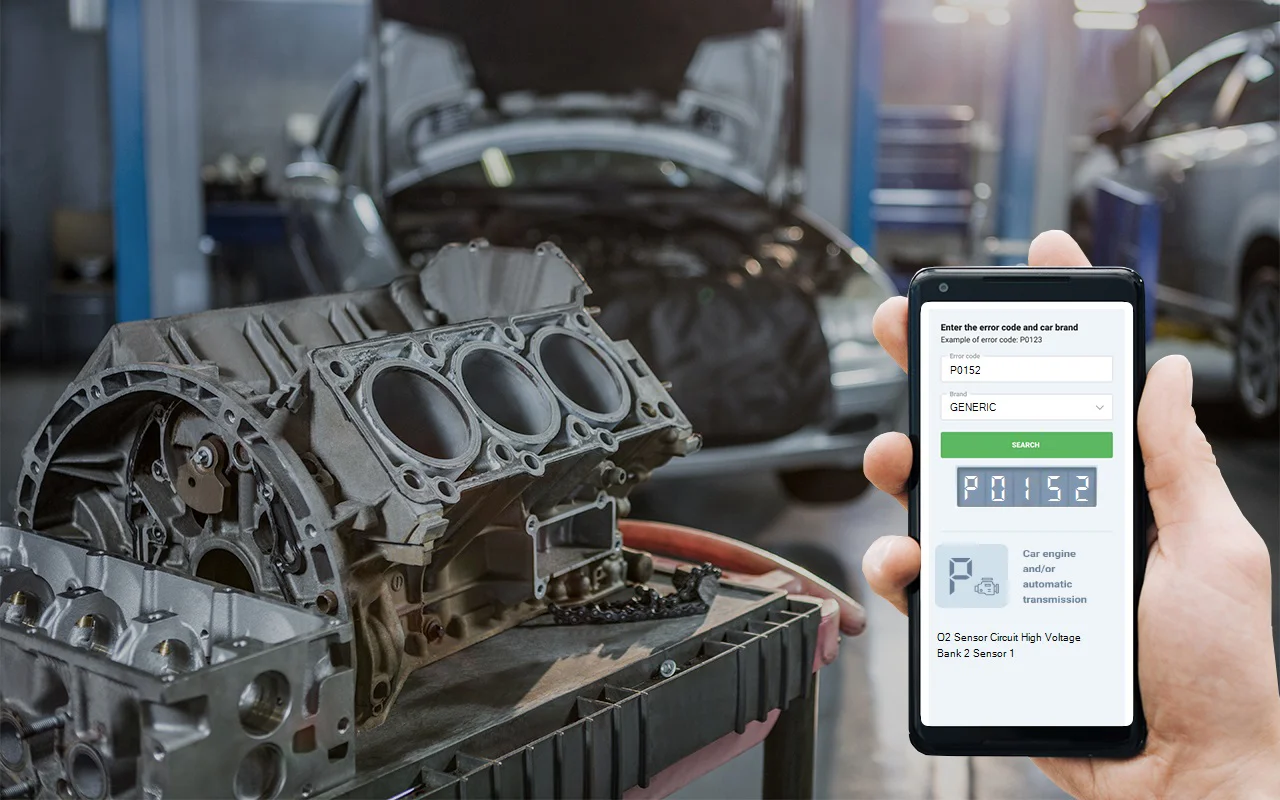
Bottom line: P0152 means your engine computer’s seeing a high voltage from the upstream oxygen sensor on bank 2. In most cases, it leads you straight to a sensor, wiring, or fuel mixture problem. Don’t drag your feet on this one-running rich for too long can do a number on your catalytic converter and engine. The best fix is a careful, methodical inspection of the sensor and wiring, followed by a check for any rich running conditions. Take care of it now, and you’ll save yourself a lot of grief (and cash) down the road.
Video for "Error p0152" on YouTube
The following error codes are often searched for

 3565
3565 6 minutes of reading