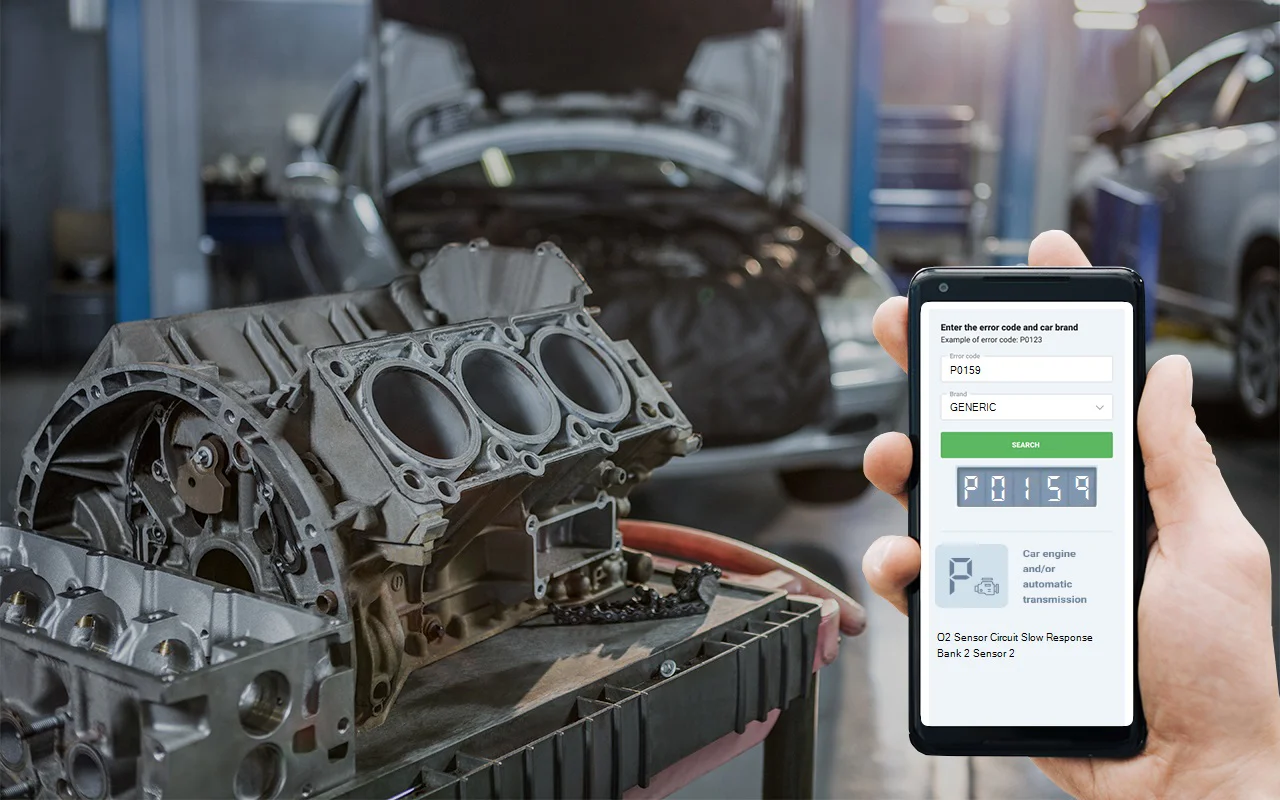
When you see a P0159 code pop up, what your car’s really telling you is that the computer has noticed the oxygen sensor in Bank 2, Sensor 2 just isn’t keeping up the way it should. Having spent years in the shop, I can tell you this sensor’s job is to sniff out how much oxygen is left in the exhaust after combustion. The engine’s brain, or PCM, relies on that info to fine-tune the air-fuel mix-getting you the best mix of power and fuel mileage. If the sensor’s lazy, those adjustments go out the window, and that’s why the code sets. This little sensor is critical in keeping your emissions system happy. When it starts acting up, you’ll often notice your car behaving differently, even if it’s something as subtle as rougher running or sluggish response.
DTC P0159
 4509
4509 5 minutes of reading
Causes of dtc P0159
From experience, the most common reasons I see for a P0159 code are:
- An exhaust leak near the sensor - even a small leak can throw off the readings.
- A failing or worn-out oxygen sensor - these do wear out over time, especially if the car has high mileage.
- Wiring issues - damaged, corroded, or loose connections can interrupt the sensor signal.
- PCM (engine computer) problems - this is rare, but it does happen.
Most often the issue is with the sensor itself or the wiring, but it’s important to check everything to avoid missing something simple.
Symptoms of obd2 code P0159
When this code pops up, here’s what you’re likely to notice:
- The check engine light will come on - that’s usually the first sign.
- You might feel the engine isn’t running as smoothly as usual, or it could feel a bit sluggish.
- Fuel economy can drop, so you may find yourself filling up more often.
Sometimes, there aren’t any obvious symptoms besides the warning light, but don’t let that fool you - it’s still important to get it checked out.

Diagnosis and P0159 engine code
Here’s how I usually approach a P0159 code:
- First, I check for any other codes that might be stored. Sometimes, there’s more than one issue going on.
- Next, I do a visual inspection of the wiring and connectors for the Bank 2, Sensor 2 oxygen sensor. Look for frayed wires, loose plugs, or corrosion. Don’t forget to check the harness all the way back to the PCM if you see anything suspicious.
- Then, I inspect the exhaust system for leaks near the sensor. Even a tiny leak can cause problems, so it’s best to have someone help you listen for hissing sounds when the engine is running.
- If everything looks good so far, I use a scan tool to watch the live data from the oxygen sensor. I’m looking to see if the sensor’s readings are slow to change or stuck. A healthy sensor should switch between high and low voltage fairly quickly.
- If the sensor is slow or not responding, I’ll test it directly with a multimeter or oscilloscope, following the OEM procedure for your vehicle. If it fails, replacement is the next step.
- If the sensor and wiring check out, and there are no exhaust leaks, only then do I consider the PCM as a possible cause - but that’s pretty rare.
It’s best to start with the basics before jumping to conclusions. Don’t forget to clear the code and test drive the car after any repairs to make sure it doesn’t come back.
Common Mistakes with P0159 trouble code
One thing I see a lot is people replacing the oxygen sensor right away without checking for exhaust leaks or wiring issues first. That’s a surefire way to waste money if the real problem is something simple. Another mistake is not using a scan tool to look at the sensor’s live data - just reading the code isn’t enough. Skipping the basics can lead to frustration and extra costs.

Seriousness of P0159
Honestly, you don’t want to ignore this code. While it might not leave you stranded right away, running with a faulty oxygen sensor can cause the engine to run too rich or too lean. That means you’ll burn more fuel, and over time, you could damage the catalytic converter - and that’s an expensive part to replace. Things can go south quickly if overlooked, so don’t put this off for later.
Repair options for P0159 code
Here’s what usually fixes a P0159 code, based on verified repair cases and OEM procedures:
- Repair any exhaust leaks near the sensor first - this is a common culprit.
- Replace the Bank 2, Sensor 2 oxygen sensor if it’s slow to respond or fails testing.
- Fix any damaged wiring or connectors you find during inspection.
- In rare cases, reprogram or replace the PCM if all other causes are ruled out.
Always clear the code and take the car for a test drive to make sure the repair worked.
Conclusion
To sum it up, P0159 means your oxygen sensor isn’t reacting as quickly as it should, which can mess with your engine’s performance and fuel economy. It’s important to diagnose this promptly - start with a careful inspection for exhaust leaks and wiring issues, then test the sensor itself. Most of the time, fixing a leak or replacing the sensor solves the problem. Don’t ignore this code, because it can lead to bigger headaches down the road. The safest bet is to address it as soon as possible for your car’s health and your peace of mind.
- P0159 O2 Sensor Circuit Slow Response Bank 2 Sensor 🟢 Trouble Code Solved Symptoms Causes Solutions

- What is P0159 Engine Code [Quick Guide]
- How to fix HONDA P0159 Code: Front Secondary Heated Oxygen Sensor (Secondary HO2S) Bank 2, Sensor 2
- How To Test and Replace Heated Oxygen Sensor | P0137 P0157 P0138 P0158 P0139 P0159