
Causes of P015C trouble code
From what I’ve seen in the shop and what’s confirmed in the official manuals, the most common reasons for a P015C code are:
- A faulty upstream oxygen sensor (bank 2, sensor 1) - this is the usual suspect in most cases.
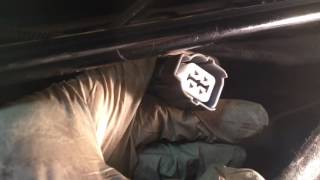
- Burned, broken, or disconnected wiring or connectors going to the sensor - especially where wires run close to hot exhaust parts or sharp edges.
- A failing catalytic converter - not as common, but it can cause slow sensor response.
- Exhaust leaks near the sensor - these can throw off the readings and confuse the computer.
Honestly, in my experience, it’s usually the sensor itself or its wiring, but you can’t rule out the other possibilities without a proper check.
Symptoms associated with dtc P015C
If you’re dealing with a P015C code, here’s what you might notice while driving:
- The check engine light will almost always come on.
- You might feel the engine running a bit rough or notice it’s not as peppy as usual.
- Fuel economy can take a hit, so you’ll probably be stopping at the pump more often.
- Sometimes, you’ll see other related codes show up, especially if the problem’s been around for a while.
It’s not the kind of thing you want to ignore, because these symptoms can sneak up on you and get worse over time.

Diagnosis steps for obd2 code P015C
Let me walk you through how I’d chase down a P015C in my own bay. First off, I always start by scanning for other trouble codes-especially those tied to misfires, throttle position, or mass airflow. If any of those are lurking, sort them first or you’ll end up chasing your tail. Next, roll up your sleeves and give the wiring and connectors at that bank 2, sensor 1 location a close look. Melted insulation, broken wires, or a loose plug? I see that all the time, especially where harnesses snake past hot manifolds or sharp heat shields. Here’s a tip: have a buddy wiggle the harness while you watch the scanner for any sudden data jumps.
After that, I like to check for any technical service bulletins (TSBs) related to your vehicle and the P015C code. Trust me-these bulletins are written from real techs’ discoveries, and sometimes they’ll point you right to a common root cause that’s easy to miss.
Once the basics check out, it’s time to fire up the scan tool again. I pull freeze-frame and live data, then clear the codes and let the engine warm up fully. Now, watch that upstream O2 sensor’s voltage. Ideally, it should bounce quickly between roughly 0.1 and 0.9 volts. If it’s slow to switch or stuck, that’s your smoking gun.
If the scan data looks sluggish, I’ll get out the voltmeter and back-probe the sensor’s signal wire-always after disconnecting the PCM to avoid a costly mistake. Check for proper voltage swings and resistance. If all that checks out, it’s time to rule out exhaust leaks near the sensor and make sure the catalytic converter isn’t choked up or starting to fail.
Bottom line: Never overlook the simple stuff. Nine times out of ten, it’s a wiring or connector issue before it’s a bad sensor or cat.
Common mistakes when handling P015C engine code
A classic mistake I see all the time? Swapping out the oxygen sensor right off the bat, without even glancing at the wiring or checking for an exhaust leak. That’s a fast way to throw money away if the real culprit’s a chewed wire or a connection that’s come loose. Another blunder is ignoring other codes that might be causing that sensor to act up-misfire or airflow codes are notorious for this. Always chase those down first. And here’s a pro-tip: never overlook TSBs. Skipping them can mean missing a quick fix that’s already been documented by the manufacturer, saving you hours of head-scratching.

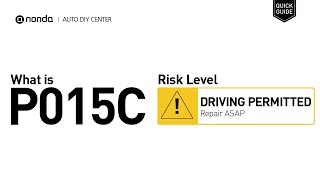
How serious is P015C
I can’t stress this enough-P015C isn’t something you want to let slide. When that O2 sensor gets lazy, your engine starts running less efficiently. Next thing you know, your gas mileage drops, the engine feels sluggish, and if left unchecked, you’re risking damage to that pricey catalytic converter. Trust me, a new cat isn’t cheap. Things can go downhill fast, so don’t drag your feet on this one. Tackle it early, and you’ll save yourself a world of trouble (and cash) down the line.
Repair process for obd code P015C
Over the years, here’s what’s fixed P015C for me and plenty of other techs:
- Swap out the upstream oxygen sensor on bank 2 if you’ve confirmed it’s sluggish or toast.
- Patch up or replace any damaged wiring or connectors running to the sensor. Don’t cut corners here-bad wiring can cause endless headaches.
- Seal up any exhaust leaks near the sensor-even a pinhole can throw off sensor readings and trip the code.
- If you’ve ruled out the sensor and wiring, but the catalytic converter’s failing, then it’s time for a new cat. But don’t go there until you’re sure the basics are solid.
One more thing-always stick with quality parts. Cheap sensors and bargain-bin catalytic converters often don’t last, and you’ll be right back where you started before long.

Conclusion
Here’s the bottom line: When you see P015C, your engine’s computer isn’t happy with how fast that upstream O2 sensor on bank 2 is responding. Ignore it, and you’re risking worse fuel economy, rough performance, and even a fried catalytic converter. My advice? Start with a careful check of the wiring and connectors, then move on to the sensor itself. Don’t skip the basics, and don’t put off the repair. Tackling the root cause-whether it’s a sensor, wiring, or exhaust issue-will keep your ride running smooth and save you from expensive headaches later. Take it from someone who’s seen what happens when folks wait too long: it’s not worth the gamble.
 4021
 6 minutes of reading