
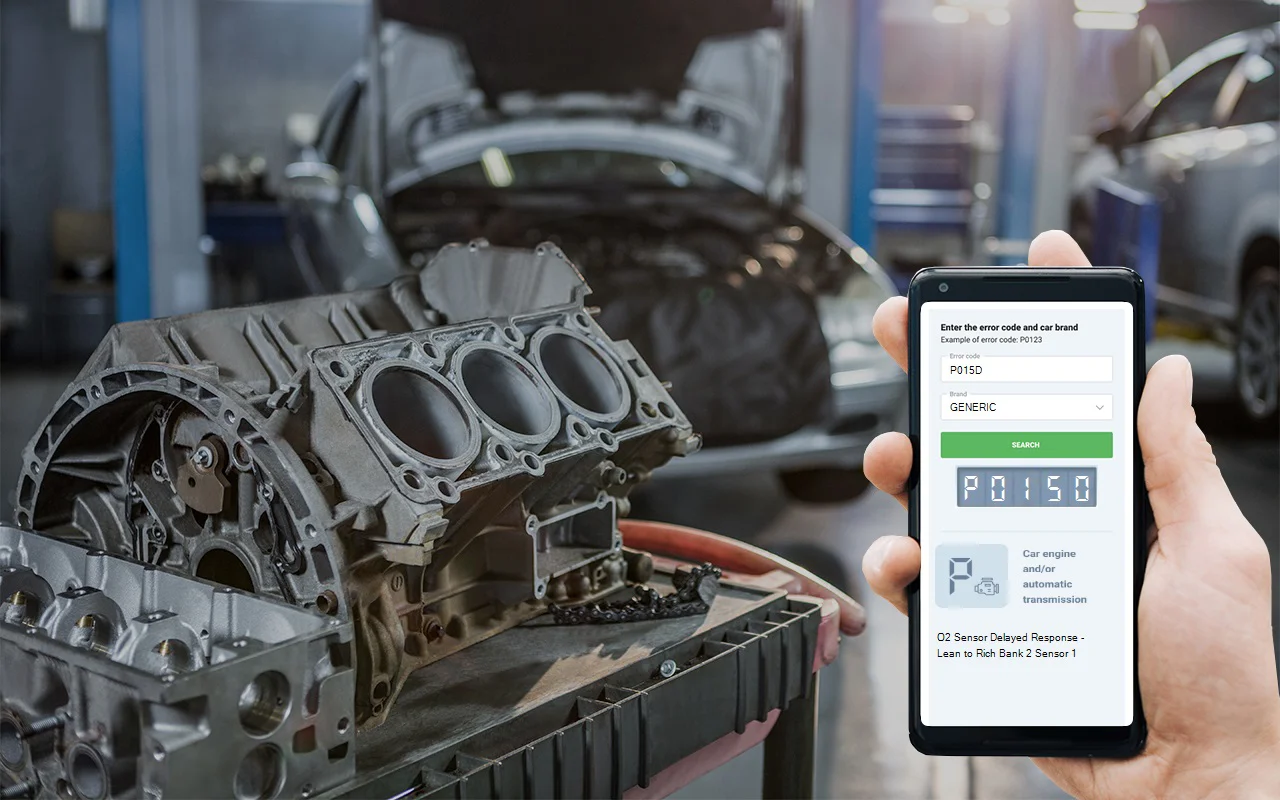
When you see a P015D code, it’s telling you that your vehicle’s PCM (that’s the engine’s computer) isn’t getting the kind of response it’s expecting from one of the oxygen sensors-specifically, sensor 1 on bank 2. Speaking from years of chasing down stubborn codes, I know this sensor’s main job is to keep an eye on the exhaust gases and feed the PCM good data so it can keep your air-fuel mixture just right. If the sensor is slow to switch between lean (more air) and rich (more fuel), that’s when you’ll get this code popping up. In other words, the PCM depends on these readings to keep your engine running clean and efficient, and if the sensor gets lazy or unreliable, everything from emissions to performance and fuel economy can take a hit. Trust me, this system is essential if you want your ride to stay reliable and pass emissions.
DTC P015D
 4536
4536 5 minutes of reading
Main Causes of P015D Code
From experience, I can tell you that p015d isn’t always just a bad oxygen sensor, even though that’s what most folks think. Here are the most common culprits I see in the shop:
- Exhaust leaks (even small ones can throw off the sensor readings)
- Failing or slow oxygen sensor (sensor 1, bank 2)
- Dirty or clogged air filter
- Faulty air-fuel ratio sensor
- Wiring issues-damaged, corroded, or loose connections in the sensor circuit
- PCM (engine computer) problems, including outdated software or rare internal faults
In cases like this, it’s usually a sensor or wiring issue, but I’ve seen exhaust leaks and even a clogged air filter cause this code too. Don’t rule out the basics before jumping to conclusions.
Recognizing Symptoms of obd2 code P015D
When this code pops up, most drivers notice the check engine light first. But there are a few other things you might feel or see:
- Reduced fuel economy-seems like you’re filling up more often
- Engine feels a bit sluggish or doesn’t have the same get-up-and-go
- Sometimes, you’ll notice rougher idling or hesitation when accelerating
- Other related engine codes may show up on a scan tool
It’s not always dramatic, but if you’re paying attention, you’ll spot these changes.

How to Diagnose dtc P015D Issues
Here’s how I usually approach a P015D code in the shop, and you can do some of these steps at home if you’re comfortable:
- Start with a basic scan-use an OBD-II scanner to confirm the code and check for any related codes. Write them down.
- Inspect the exhaust system for leaks, especially near the oxygen sensor. Even a tiny leak can mess with readings. It’s better to have someone help you listen for hissing or feel for escaping air.
- Check the air filter. If it’s dirty or clogged, replace it. It’s a simple fix that’s often overlooked.
- Visually inspect the wiring and connectors going to the oxygen sensor. Look for frayed wires, corrosion, or loose plugs. Don’t forget to check the harness all the way back to the PCM if you can.
- If everything looks good so far, test the sensor itself. Most modern sensors need a scan tool with live data to see if they’re switching properly between lean and rich. If the sensor is slow or stuck, it’s likely the culprit.
- As a last step, check for PCM updates or rare internal faults. This usually requires dealership-level equipment, but it’s worth mentioning if all else fails.
It’s best to start with the simple stuff-air filter, exhaust leaks, and wiring-before replacing any parts.
Avoiding Common Mistakes When Fixing obd code P015D
Honestly, I see a lot of folks jump straight to replacing the oxygen sensor without checking for exhaust leaks or wiring issues. That’s a surefire way to waste money. Another common mistake is ignoring the air filter or not checking for PCM software updates. Skipping the basics can lead to frustration and repeat repairs. Always rule out the simple causes first.

How Serious Is a P015D Problem
Don’t put this off for later. While your car might still run, ignoring a p015d can lead to poor fuel economy, higher emissions, and even long-term damage to your catalytic converter. If the engine runs too rich or too lean for too long, you could end up with costly repairs down the road. You don’t want this kind of trouble on the road, especially if your vehicle starts running rough or fails an emissions test. Things can go south quickly if overlooked.
Repair Steps for P015D Engine Code
Here’s what I personally recommend, based on what fixes this code most often:
- Repair any exhaust leaks near the sensor-seal or replace gaskets and pipes as needed
- Replace a faulty or slow oxygen sensor (sensor 1, bank 2) with a quality part
- Clean or replace a dirty air filter
- Repair or replace damaged wiring or connectors in the sensor circuit
- Update PCM software if a TSB or update is available
- In rare cases, replace the PCM if it’s confirmed to be faulty
Always clear the code and test drive the vehicle to make sure the repair worked before calling it done.
Conclusion
To sum it up, P015D means your engine isn’t getting the right info from an oxygen sensor, and that can throw off everything from fuel economy to emissions. It’s not something to ignore, because it can lead to bigger problems if left unchecked. Start with the basics-check for exhaust leaks, inspect the air filter, and look over the wiring. Most often, the fix is straightforward, but don’t skip steps. Acting quickly is the best way to keep your car running smoothly and avoid more expensive repairs down the line.
- 2008-2014 Chevy Tahoe 5.3l code P015D Oxygen Sensor Delayed Response Lean to Rich (Bank 2 sensor 1)
- What is P015D Engine Code [Quick Guide]
- 2007 - 2014 GM SUVs Diagnose & Repair P015B or P015D HO2S DTCs (Chevy Avalanche / Tahoe / Suburban)
- How to Fix P015D Engine Code in 3 Minutes [2 DIY Methods / Only $8.87]
